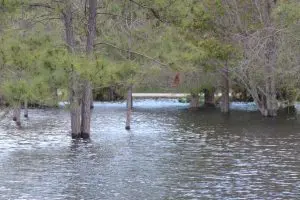
Heavy rainfall turns entire metro area into a flood zone where 6 inches of water becomes genuinely lethal
Mother Nature decided Monday was the perfect day to remind Los Angeles residents why living near water infrastructure sounds better in theory than in practice. The National Weather Service issued a flash flood warning affecting numerous neighborhoods across the metropolitan area, and things are about to get genuinely messy. The warning went into effect at 10:57 a.m. and will remain active through Monday afternoon as heavy rainfall continues battering the region.
- Heavy rainfall turns entire metro area into a flood zone where 6 inches of water becomes genuinely lethal
- The neighborhoods about to experience temporary lakes
- Why driving through water is basically a death wish
- Evacuate first, take photos later
- Motorist survival guide for wet chaos
- Understanding hydroplaning before it destroys your day
Meteorologists detected thunderstorms producing significant rainfall, with expected rates between half an inch and 1 inch per hour. Translation: your street’s drainage system wasn’t designed for this. The immediate threat includes flash flooding across small creeks, streams, urban areas, highways, streets and underpasses. Areas with poor drainage and low-lying regions face the highest risk of rapidly rising water, which means if your neighborhood sits below sea level or near that one underpass everyone avoids, buckle up.
The neighborhoods about to experience temporary lakes
The warning encompasses a genuinely massive swath of Los Angeles County, affecting some of the area’s most populated communities. Long Beach, Downtown Los Angeles, Griffith Park, Hollywood, Inglewood, Culver City and Burbank all sit within the affected zone. Additional areas facing potential flooding include Alhambra, North Hollywood, Pasadena, Venice, Santa Monica, Manhattan Beach and Van Nuys.
Beach communities like Hermosa Beach, Torrance and Redondo Beach also fall under the warning, along with Encino and Mount Wilson. Particularly concerning is the Eaton burn scar area, where recent wildfires have left the landscape vulnerable to rockslides, mudslides and minor debris flows during heavy precipitation. Basically, the ground’s already had a rough time, and rain is about to make things significantly worse.
Why driving through water is basically a death wish
Emergency management and law enforcement officials are genuinely emphasizing the dangers of attempting to navigate flooded roadways because, frankly, people keep dying doing this. The majority of flood-related fatalities occur when people try to drive through standing water, making the decision to turn around absolutely critical for survival. That’s not dramatic. That’s math.
Even shallow water poses absolutely significant risks. Just 6 inches of moving water contains enough force to knock an adult off their feet, while 12 inches of rushing water can sweep away most vehicles like they’re toy cars in a bathtub. Anyone trapped by rising water should immediately move to the highest available point and contact emergency services. Don’t be the person who thinks their vehicle will make it through. Vehicles never make it through.
Evacuate first, take photos later
Residents living in flood-prone or low-lying areas should evacuate to higher ground without hesitation when warnings are issued. Those with time before departing should secure their homes by locking doors and disconnecting utilities and appliances to prevent additional damage. Yes, this means unplugging that expensive lamp. Yes, it matters.
Never enter basements or rooms where water has reached electrical outlets or cords. Signs of electrical danger include visible sparks or sounds like buzzing, crackling, snapping or popping. If these indicators appear, evacuate the area immediately and avoid any contact with the water. Seriously. Electrocution is a genuinely unpleasant way to ruin a Monday afternoon.
Motorist survival guide for wet chaos
Motorists traveling during heavy rainfall should activate their headlights regardless of daylight conditions to improve visibility and help other drivers notice your vehicle. Staying in middle lanes on elevated roadways helps avoid water accumulation that typically occurs along road edges, where water collects like everyone’s forgotten gym equipment.
Large vehicles like trucks and buses create significant water spray that can obstruct vision, so maintaining extra distance from these vehicles becomes absolutely essential. Any encounter with a flooded roadway requires an immediate U-turn. The powerful currents generated by flash floods can sweep vehicles off roads while deep water damages mechanical and electrical systems.
Understanding hydroplaning before it destroys your day
Hydroplaning occurs when tires lose contact with the road surface and begin sliding on a thin water layer. This dangerous situation develops when water accumulates faster than a vehicle’s weight can displace it. Three primary factors contribute to hydroplaning: excessive speed, water depth and insufficient tire tread.
Drivers who experience hydroplaning should ease off the accelerator, turn into the direction of the skid, wait for tires to reconnect with pavement, then gently straighten the steering wheel. Those with anti-lock brakes should apply normal braking pressure, while older vehicles require gentle brake pumping. Basically, stay calm, don’t overcorrect and hope your tires remember what the road feels like.