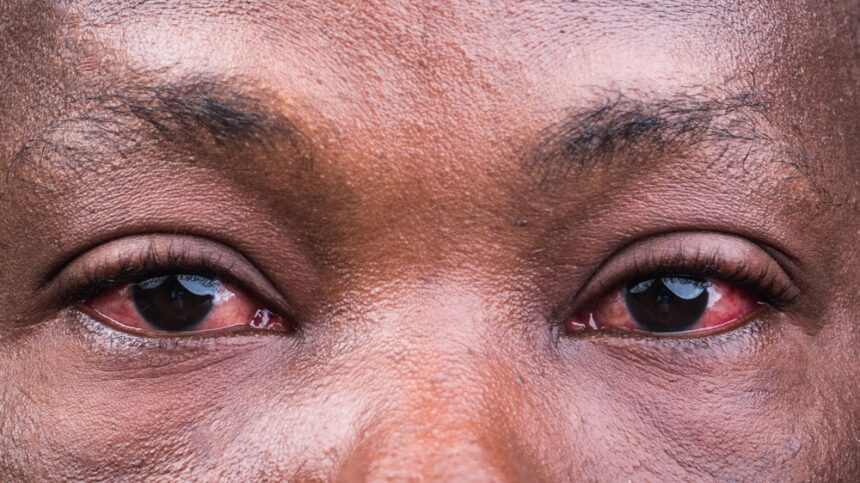
Red streaks in the sclera, or white portion of your eye, sit beneath a transparent membrane called the conjunctiva. This delicate tissue houses countless microscopic blood vessels that typically remain almost invisible. When these vessels expand or become inflamed, they swell with additional blood, producing the familiar crimson or pink appearance that affects millions of people regularly.
These visible streaks function as your body’s alarm system, indicating something has disrupted your eyes’ normal balance. Though the sight can be startling, the root causes span from completely benign temporary issues to critical medical emergencies demanding swift intervention. Recognizing the various patterns, related symptoms and duration helps differentiate between situations needing simple rest versus those requiring professional medical evaluation.
Environmental Triggers and Everyday Irritants
Environmental irritants frequently spark temporary eye redness that disappears without intervention. Contact with smoke, air pollution, chlorine from swimming pools, or strong winds can aggravate the conjunctiva, prompting blood vessels to expand as your body works to eliminate irritants and shield the eye. Likewise, allergens such as pollen, pet dander or dust mites trigger histamine release that makes blood vessels swell, producing itchy, watery eyes.
Insufficient moisture represents another widespread cause of visible blood vessels. When eyes lack adequate tear production, the surface grows irritated and blood vessels expand in response. This commonly impacts individuals who spend extended hours at computers, reside in arid climates, take certain medications, or have conditions affecting tear production.
Inadequate sleep creates a cascade effect that includes eye redness. During sleep, eyes stay closed and receive constant lubrication, allowing them to rest and recover from daily stress. When sleep falls short, eyes miss this vital recovery window, becoming stressed and inflamed. Extended concentration on screens, books or intricate work produces eye strain that appears as visible blood vessels among other symptoms. When focusing intensely, people blink far less frequently, reducing tear distribution across the eye surface.
When Blood Vessels Break and Pool
Sometimes a single blood vessel ruptures beneath the conjunctiva, causing blood to collect and form a bright crimson patch on the white of the eye, a condition known as subconjunctival hemorrhage. It often appears alarming but typically results from minor trauma, forceful sneezing, coughing, vomiting, or straining. The blood cannot drain because it sits beneath the conjunctiva, so it slowly absorbs over one to two weeks, shifting colors much like a bruise. Though generally harmless, recurring cases require medical evaluation to rule out bleeding disorders or uncontrolled hypertension.
Infections and Inflammation Demand Attention
Bacterial or viral infections of the conjunctiva, known as conjunctivitis or pink eye, produce significant redness alongside discharge, itching and crusting. Bacterial infections generally create thick, yellow-green discharge, while viral infections generate watery discharge and frequently affect both eyes. These infections transmit easily and need appropriate treatment, particularly bacterial cases requiring antibiotic drops.
More severe infections affecting deeper eye structures can also trigger visible symptoms. Keratitis, an infection of the cornea, generates inflammation together with intense pain, light sensitivity and vision alterations. These infections can permanently harm vision if left untreated, making swift medical care critical.
Warning Signs That Demand Immediate Care
Certain patterns signal potentially serious conditions requiring immediate medical evaluation, particularly when redness appears alongside sudden vision loss, intense eye pain, seeing halos around lights, or physical trauma. These symptoms demand urgent attention, as they could indicate acute angle-closure glaucoma, corneal ulcers, uveitis, or other conditions that can cause permanent vision loss without rapid treatment.
Persistent redness affecting just one eye that worsens over several days, especially when paired with pain or discharge, should prompt medical evaluation rather than home treatment. Similarly, if symptoms emerge after eye surgery or injury, professional assessment ensures no complications are developing.
Prevention and When to Seek Help
Many cases can be prevented through straightforward habits. Taking regular breaks from screens using the 20-20-20 rule, which recommends looking at something 20 feet away for 20 seconds every 20 minutes, reduces strain. Using artificial tears throughout the day maintains moisture. Wearing sunglasses outdoors protects against wind, UV radiation and irritants. Managing allergies with appropriate medications reduces inflammatory responses.
Staying hydrated, getting adequate sleep and avoiding rubbing eyes also help maintain eye health. For contact lens wearers, following proper hygiene practices and replacement schedules prevents irritation and infection.
While most cases resolve independently within a day or two, certain situations require professional evaluation. Persistent symptoms lasting beyond a week, pain, vision changes, light sensitivity, discharge, or issues following injury all warrant medical attention. Anyone experiencing sudden symptoms with severe headache, nausea or vision disturbances should seek emergency care immediately.
This article provides general information about eye health and should not replace professional medical advice. Consult an eye care professional for personal health concerns.