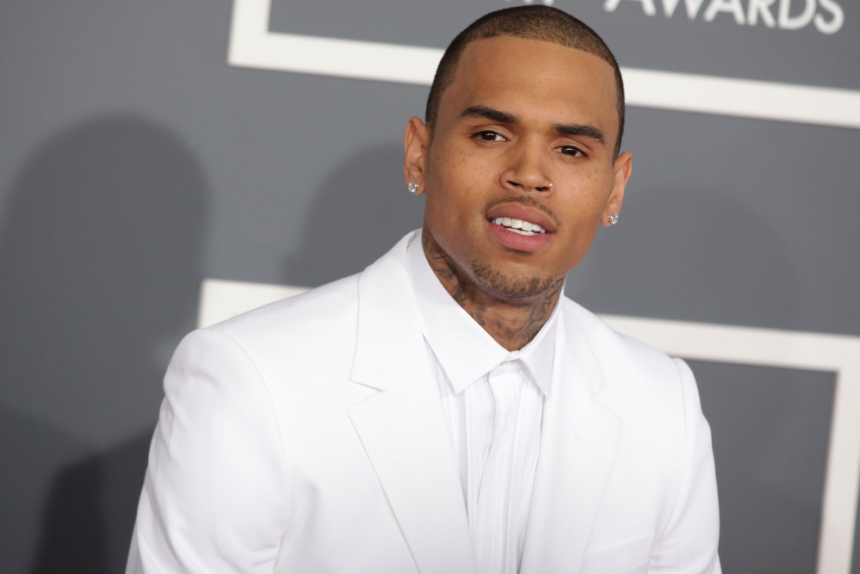
The courtroom battle over a vicious dog attack is intensifying, and Chris Brown wants one name kept far from the jury box. As his legal team prepares for trial, they are mounting an aggressive effort to wall off his controversial past from the current allegations. The strategy reveals just how much hangs in the balance when reputation collides with liability.
Brown filed a motion demanding that Patricia Avila and her daughter Maria Avila be barred from mentioning his 2009 assault case involving Rihanna during proceedings. His attorneys insist the decade-old incident, which ended with a guilty plea followed by probation, community service and counseling, has zero bearing on whether his dog attacked Maria Avila. They warn that dredging up ancient history would poison the jury pool and derail a fair hearing. The court now must decide whether past behavior belongs in a present-day dispute.
The Allegations That Sparked the Legal War
Maria Avila claims she suffered catastrophic injuries after an encounter with Hades, Brown’s dog. Her legal filings paint a harrowing picture of nerve damage, facial disfigurement and partial vision loss that may require surgical intervention. The physical toll has been substantial, she maintains, and someone must be held accountable. The severity of her alleged injuries has thrust the case into the spotlight and raised questions about negligence and owner responsibility.
Brown‘s camp tells a different story. They point to an Animal Control report filed by Officer Angela Hooks, who documented that Brown and a security guard responded immediately when Avila screamed. The defense argues that Hades had no documented history of aggression and that Avila ignored explicit security warnings about approaching the animal unsupervised. In their view, the incident resulted from disregarded caution, not owner negligence.
Brown Focuses on Facts, Not Fame
The legal maneuvering reflects a broader tension between celebrity and culpability. Brown’s attorneys are working overtime to ensure jurors evaluate only the evidence directly tied to the dog attack. They argue that introducing his criminal history would invite bias rather than illuminate the truth. The motion to exclude references to Rihanna represents a calculated attempt to keep emotions out of the equation and facts front and center.
This case unfolds against a backdrop of other legal turbulence for Brown. A separate $500 million lawsuit he filed against Warner Bros. and Ample was recently thrown out by Judge Colin Leis, who ruled that a controversial docuseries examining his troubled past relied on documented legal records and constituted protected reporting. That dismissal underscores the difficulty of controlling narratives once they enter the public domain.
What Happens Next Could Set the Tone
The coming weeks will prove critical as the judge weighs whether to grant Brown’s motion. If the court agrees to exclude references to his assault conviction, the trial will center narrowly on dog ownership, warnings and immediate response. If the motion fails, jurors may hear arguments designed to paint a pattern of behavior, potentially swaying their perception before evidence is even presented.
Maria Avila and her mother are prepared to fight for every advantage. They believe the public has a right to understand the full context surrounding the man whose dog allegedly caused such devastating harm. Brown’s team counters that context becomes prejudice when it strays beyond relevance. The clash over admissible evidence will shape not just the trial’s outcome but its very atmosphere.
As both sides brace for what promises to be a contentious courtroom showdown, one thing remains clear. The lawsuit is about more than a dog bite. It is a test of how much the past can dictate the present, and whether a celebrity’s history becomes evidence or merely noise. The judge’s ruling will determine whether the jury hears a narrow story about one incident or a broader narrative about accountability and consequence.
Source: Hot 97