

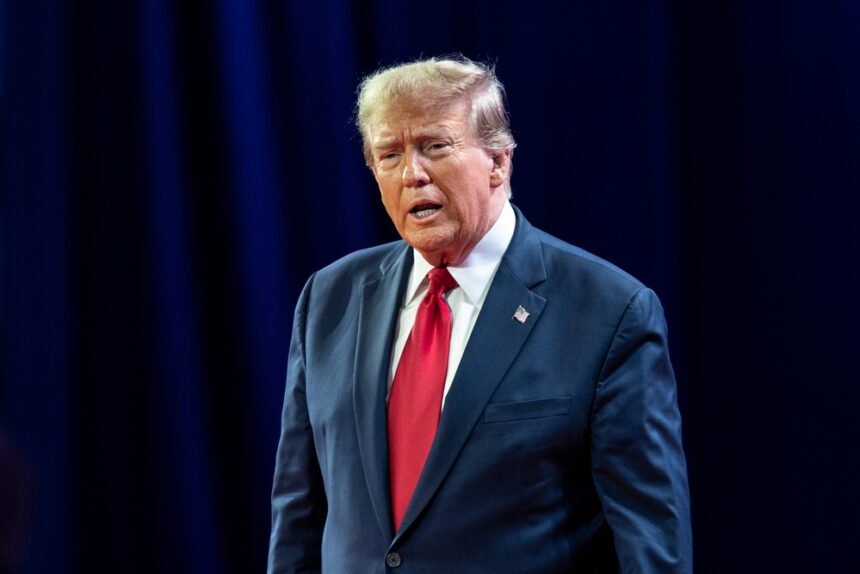
Election night is over. Now comes the harder part of governing with power split between the parties. For the next two years, President Trump will have to deal with a Congress controlled by his political opponents.
After a midterm wave that gave Democrats control of both the House and the Senate, attention has turned to how President Donald Trump will handle a divided government through the end of his term in January 2029. Some commentators have called the results a blue tsunami.
What will divided government mean for Trump’s agenda?
Starting in January, Democrats will control the committees in both chambers, giving them power to issue subpoenas and investigate the Trump administration on a range of issues. Committee chairs can call officials to testify and demand documents.
They will also be able to block legislation they oppose, and the Senate will have the power to reject Trump’s nominees, including judges and cabinet officials. That could matter greatly if a Supreme Court seat opens before 2029.
Some expect the new divided government to stall the president’s priorities or lead to impeachment. Others say both sides may find reasons to strike deals before the 2028 presidential election.
Will Democrats work with Trump?
A presidential historian at Chapman University in California questioned whether Democrats truly want to cooperate. He said the key question is whether they want compromise or revenge, and predicted House investigations would begin almost immediately in January. His view reflects concerns among some Republicans that Democrats will focus on investigations rather than legislation.
Democrats have vowed oversight of the administration, though the party is divided over whether to pursue another impeachment. Some Democrats argue oversight is a core duty of Congress and that voters demanded accountability.
House Democratic leader Hakeem Jeffries, expected to become speaker, has said Democrats will focus on delivering for the American people. He would be the first Black speaker in the chamber’s history. His caucus includes progressives and moderates who may differ on how hard to push against the White House.
What has Trump said about divided government?
Trump congratulated Democrats after the election and said he is ready to work across the aisle on some issues. He said he would not budge on others, including the border and transgender issues. He has said he believes he would have won if he had been on the ballot.
Trump has also relied heavily on executive orders during his second term, a tool that does not require approval from Congress. That approach could expand under a divided government, though courts have blocked some of his orders.
What does history say about divided government?
Divided government has produced both gridlock and surprising deals. In 1996, President Bill Clinton worked with a Republican Congress to overhaul welfare.
During Trump’s first term, Democrats won the House in 2018. That Congress impeached him in 2019 but also passed his trade agreement with Mexico and Canada with bipartisan support. The agreement replaced NAFTA after Democrats won changes on labor protections.
Fights over government funding can lead to standoffs and shutdowns when power is split. Lawmakers will face several funding deadlines over the next two years.
What could get done in the next two years?
Analysts point to possible areas of agreement such as infrastructure, lowering prescription drug prices and rules for artificial intelligence, issues that have drawn interest from both parties.
Rising prices, which shaped the midterm results, could also pressure both sides to show progress on affordability before the next presidential race. Both parties will be eager to show voters results.
Whether the divided government leads to gridlock or deals will shape the final chapter of Trump’s presidency.