Eggs, chicken breast, salmon, Greek yogurt and lentils are among the most effective muscle building foods, since they deliver high amounts of protein along with nutrients that support recovery and strength. Nutrition alone will not build muscle, but pairing the right foods with resistance training is what actually drives results, according to research reviewed across multiple nutrition sources this year.
What foods actually help build muscle?
Protein rich foods matter most because they supply amino acids, the building blocks your body uses to repair and grow muscle tissue after exercise. The list below draws from foods with the strongest research support for muscle growth and recovery.
- Eggs, which are high in leucine, the amino acid most responsible for triggering muscle protein synthesis
- Chicken breast, which provides around 26 g of protein per 3 ounce serving with very little fat
- Salmon, which combines protein with omega 3 fatty acids that may reduce inflammation after training
- Greek yogurt, which contains nearly double the protein of regular yogurt thanks to its whey and casein mix
- Lean beef, which offers protein alongside creatine, a compound tied to strength and post workout recovery
- Lentils, a plant based option rich in protein, fiber and iron for those limiting animal products
- Cottage cheese, which digests slowly and can feed muscles for hours, making it useful before bed
- Tofu, one of the few complete plant proteins, meaning it contains all nine essential amino acids
- Quinoa, which pairs protein with complex carbohydrates that refill muscle glycogen after a workout
- Turkey breast, a lean protein option that also delivers selenium to support muscle endurance
How much protein do you actually need?
Most research points to roughly 1.4 to 2 g of protein per kilogram of body weight per day for people actively trying to build muscle through resistance training. That range is higher than the general recommended daily allowance, which explains why casual eaters often fall short of what their muscles need to recover and grow.
Does when you eat protein matter as much as how much?
A 2026 review on aging and protein intake found that spreading protein across meals throughout the day supports muscle strength better than loading most of it into one large meal. Researchers noted that around 0.4 g of protein per kilogram of body weight per meal appears to be a useful benchmark, which means a balanced breakfast, lunch and dinner each contribute meaningfully rather than one dinner doing all the work. This distribution focused approach has gained more attention in 2026 as newer studies shift away from simply chasing a daily total.
Is animal protein better than plant protein for muscle growth?
Animal proteins like eggs, chicken and beef tend to digest efficiently and contain higher concentrations of leucine, giving them a slight edge for muscle protein synthesis. Plant proteins like lentils, tofu and quinoa still support meaningful muscle growth and are a solid option for people who eat less meat, though they may require slightly larger portions to match the same amino acid impact.
What should you limit while trying to build muscle?
Alcohol, fried foods, sugary drinks and processed meats can work against muscle building goals since they add calories without contributing the protein and micronutrients your muscles actually need to recover. Cutting them out entirely is not necessary, but relying on them regularly makes it harder to hit your protein and nutrient targets consistently.
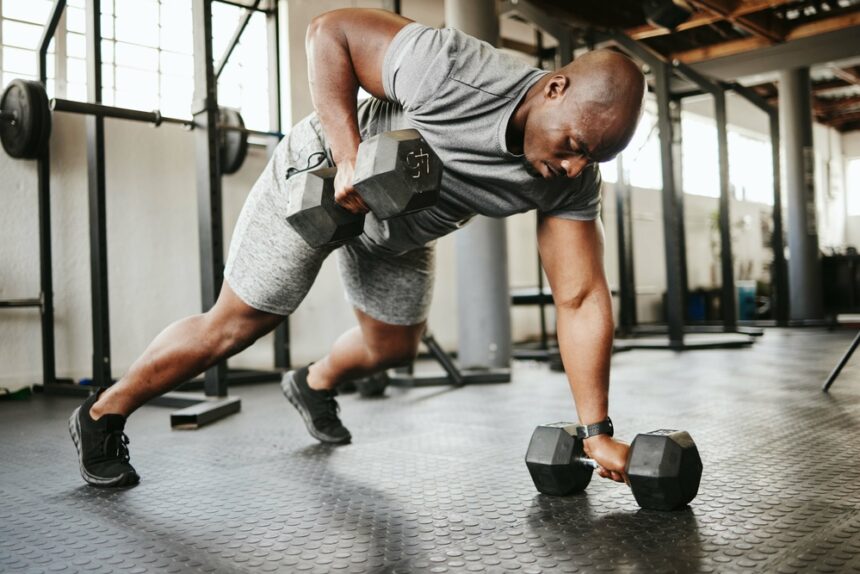
Building muscle ultimately comes down to consistency rather than any single food. Combining a protein forward diet with regular resistance training and adequate sleep remains the most reliable path to real, lasting strength gains.