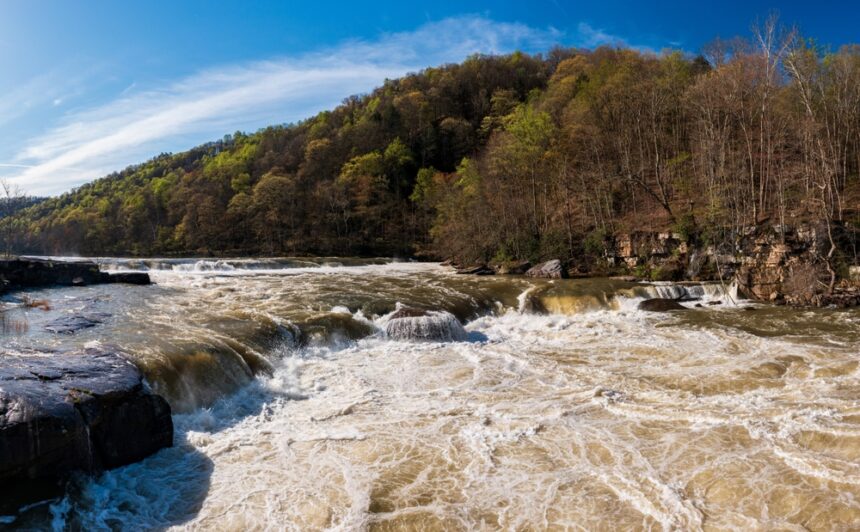
West Virginia Governor Patrick Morrisey declared a state of emergency for all 55 of the state’s counties on Aug. 18 after slow-moving storms beginning Aug. 16 dropped excessive rainfall that caused flash flooding, mudslides, damaging winds and water rescues across the state.
Homes, businesses, public infrastructure and essential services have been affected. Several areas recorded near-record rainfall totals within just a few hours, compounding damage in communities that are still recovering from severe weather the previous month.
The West Virginia flooding represents the second major weather event in less than 30 days, a pattern that emergency managers and state officials have described as increasingly common in the region.
Morrisey said in a statement that West Virginians have been hit by another round of severe weather at a time when many communities had not yet fully recovered from last month’s storms. He said the emergency declaration gives responders, state agencies and local officials the flexibility to move quickly, deploy resources and help communities recover.
What the declaration does
The order covers all 55 counties and remains in place for 30 days unless the governor ends it earlier. It allows state and local agencies to coordinate and deploy personnel, equipment and resources for response and relief work without the administrative constraints that normally govern interagency operations during non-emergency periods.
The declaration also gives the West Virginia Emergency Management Division and other state agencies expanded authority to work with local and federal partners, assess damage, address immediate needs and provide assistance to communities hit hardest by the latest storms.
The flooding in context
West Virginia has a long history of severe flooding given its geography. The state’s mountain terrain, with narrow valleys and steep hillsides, means that heavy rainfall concentrates quickly into streams and rivers that can rise rapidly and without much warning. Near-record rainfall in a matter of hours produces conditions that overwhelm drainage systems.
West Virginia is managing overlapping recovery timelines. Communities that had not yet repaired infrastructure or cleared debris from the previous event are now facing new damage on top of existing vulnerabilities.
West Virginia’s state of emergency activates mutual aid agreements and opens access to state emergency funds that can be deployed without waiting for normal appropriations processes. It also positions the state to apply for federal disaster assistance if damage assessments warrant it.
What residents are facing
Flash flooding ranks among the most dangerous weather phenomena in mountain states because it can arrive with little warning, cutting off roads and stranding residents who cannot reach safety on their own. The water rescues reflect situations in which people were isolated by rapidly rising water.
Mudslide flooding presents a distinct hazard. Hillsides already saturated from previous rain events become unstable when additional rainfall is absorbed, and slopes that held firm through one storm can give way during a second. The combination of flooding in the valleys and mudslides on the hillsides creates conditions that cause flooding damage and block the access routes that emergency responders need to reach affected communities.
Recovery from the previous West Virginia storms and the new damage arriving before it was complete means some communities are managing simultaneous cleanup, repair and response operations.
The federal government could become involved in recovery if damage assessments reach the threshold for a major disaster declaration, which would unlock FEMA assistance for affected homeowners and public infrastructure repair funding. The state emergency declaration is typically a prerequisite step in that process.