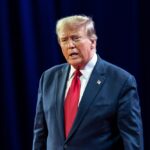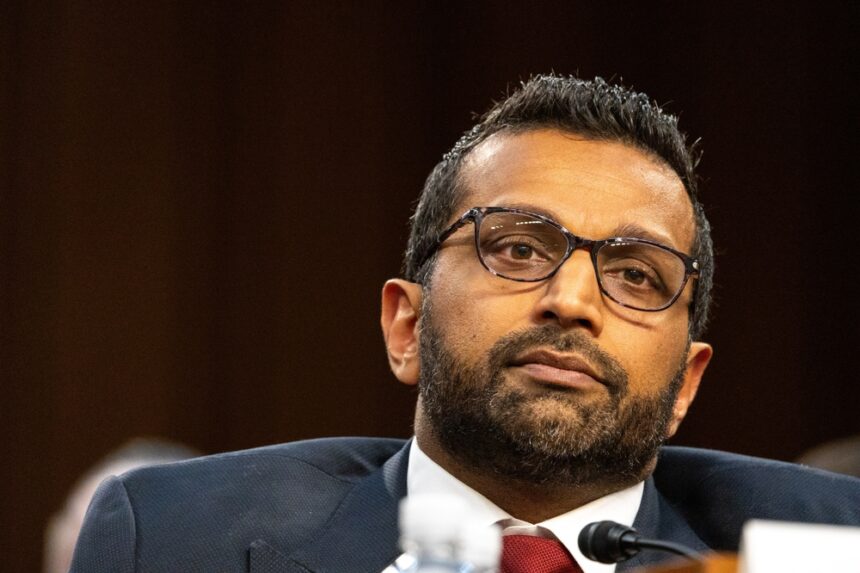
FBI Director Kash Patel said the bureau worked alongside the Department of Homeland Security and the Office of the Director of National Intelligence in preparing the intelligence disclosures that President Trump presented publicly in a primetime address on July 16, but characterized the FBI’s role as smaller relative to the other two agencies.
Patel made the remarks in a television interview that aired on Aug. 8, describing a partnership in which DHS and ODNI held the primary technical capabilities and jurisdictional remit for overseas election-related incidents involving American election infrastructure. The FBI contributed its information to the shared effort, he said, and the agencies acted at the direction of the president.
Patel said the disclosure was made possible because Trump directed the three agencies to declassify and make the information available to the American public and to the world.
What was disclosed in the July 16 address
In his primetime address, Trump announced the declassification of documents indicating that China had illicitly acquired 220 million U.S. voter files, including names, addresses, phone numbers and other identifying information. The disclosure framed the acquisition as foreign interference with American election infrastructure.
The July address was the public-facing endpoint of what Patel described as a collaborative intelligence process. The director said the agencies shared their information and that much of it was made public through the president’s speech. The specific process by which the intelligence was gathered, analyzed and prepared for declassification was not detailed in the interview.
The role of each agency
Patel’s description of the FBI’s role as smaller within the partnership reflects the institutional design of the American intelligence community, in which different agencies have different mandates and technical capabilities. The FBI is primarily a domestic law enforcement and counterintelligence agency, while ODNI coordinates intelligence across the community and DHS has primary responsibility for protecting election infrastructure. Foreign influence operations touching U.S. elections can fall under multiple agencies’ jurisdictions depending on the specific nature of the activity.
The framing of the disclosure as something that required presidential direction to declassify reflects the classification status of the underlying intelligence. Intelligence gathered through surveillance or foreign intelligence collection methods is typically classified at high levels, and releasing it publicly requires explicit authorization from the president or other senior officials with classification authority.
The political and intelligence context
The July 16 disclosure and the agencies’ collaborative role in preparing it take place against a backdrop of sustained public attention to foreign influence on American elections, a topic that has been politically contentious across multiple administrations and intelligence cycles. Claims about Chinese acquisition of voter data at the scale described represent a significant allegation that has implications for how the United States approaches both election security and its relationship with China.
Foreign influence operations targeting U.S. voter data are a documented concern in American intelligence reporting, and previous administrations have attributed various cyber intrusion efforts to Chinese state-linked actors. Whether the specific 220 million voter file figure represents a new finding or previously classified information being made public for the first time was not clarified in the interview.
What Patel said about the president’s decision
Patel expressed support for the decision to bring the information to the public and to the broader international community. He said it was the right call and that the agencies’ work supported the credibility of the disclosure, even as the president retained the authority to determine what and when to release.