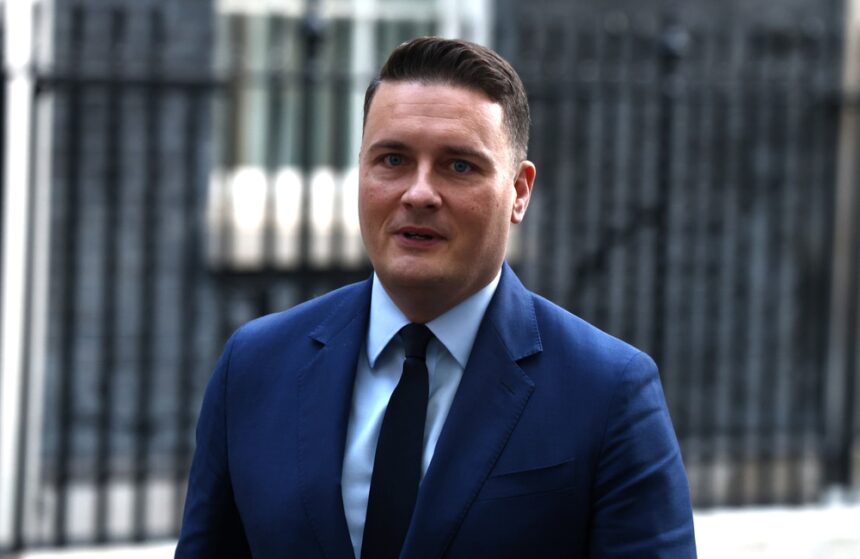
Newly appointed British Defense Secretary Wes Streeting said this week that he believes Europe will eventually look back with gratitude toward President Trump for pushing the continent to reconsider its approach to defense spending and self reliance.
Speaking publicly, Streeting explained that when history eventually reflects on this period, he genuinely believes Europe will credit Trump with shaking the continent out of a longstanding complacency, forcing European nations to take greater ownership of their own defense capabilities rather than continuing to rely so heavily on the United States for regional security.
A new role following a cabinet reshuffle
Streeting, who previously served in a different senior cabinet position focused on health policy, was appointed to the defense role earlier this month after Britain’s new prime minister reshuffled the cabinet following his predecessor’s resignation. The appointment marks a significant shift for Streeting, moving from domestic policy into one of the government’s most consequential national security positions at a moment of considerable geopolitical tension.
Streeting frames the frustration as bipartisan and longstanding
Streeting was careful to note that this particular criticism of European defense spending is not unique to Trump or his political movement, explaining that it reflects a much longer standing frustration within American politics that has spanned both major U.S. political parties over the years. He emphasized that, given the current global landscape, it makes sense for European nations to take meaningful steps toward securing their own defense independently rather than continuing to depend so heavily on American support.
Context behind the push for greater European defense spending
This message arrives amid a broader, ongoing effort from Washington encouraging NATO allies, including the United Kingdom, to increase defense spending and reduce reliance on American military support for continental security. That push has coincided with a broader realignment of American defense and security priorities more generally, part of a wider conversation about how alliance commitments should be shared among member nations going forward.
What this could mean for Europe going forward
Streeting‘s comments suggest that at least some segments of European leadership may be willing to reframe the pressure from Washington not simply as friction between allies, but as a potentially useful catalyst for building stronger, more independent defense capacity across the continent. Whether that perspective becomes more widely shared among other European leaders remains to be seen, but Streeting’s remarks offer an early signal of how his tenure in the defense role may approach the broader debate over burden sharing within the transatlantic alliance moving forward.
For now, his comments reflect a notable willingness to publicly acknowledge the substance behind Washington’s long standing criticism, even while framing it in a way that positions Europe’s eventual response as a positive, necessary evolution rather than simply a reaction to external pressure.