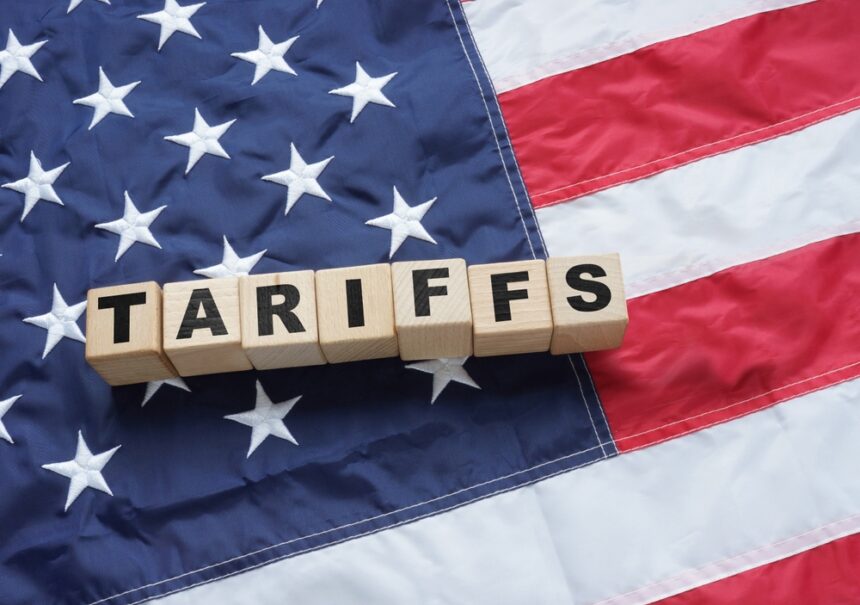
Tariffs newly imposed by the United States on more than 60 trading partners have drawn swift pushback from governments around the world, with several nations disputing the justification behind the measures.
The new tariffs, ranging between 10 and 12.5 percent, took effect this week after a temporary set of broader global tariffs expired at midnight. According to the administration, the new measures rely on a specific provision of longstanding trade law, framed as a tool to address concerns that some countries have failed to adequately prevent goods produced through forced labor from entering American supply chains.
European officials push back on the justification
The European Union’s top foreign policy official directly challenged that reasoning this week, arguing that the justification simply does not apply to the bloc. Speaking during a diplomatic gathering in Manila, she pointed to the EU’s labor protections, including paid vacation policies and broader worker conditions, as evidence that concerns about forced labor could not reasonably be applied to European trading practices.
She further argued that the European Union had upheld its obligations under a trade agreement reached with Washington roughly a year earlier, describing the new tariffs as an unwelcome and unexpected development given that the existing agreement, in her view, was not being honored as intended.
Timing raises additional questions
The dispute is notable given the timing involved. The new tariffs arrived just over a month after European lawmakers formally approved legislation implementing key portions of the broader trade agreement between the EU and the United States, a deal that had been expected to ease, rather than escalate, trade tensions between the two economies.
That sequence has added to frustration among European officials, who view the new measures as inconsistent with the spirit of an agreement that had only recently cleared a significant legislative hurdle on their end.
What happens next remains uncertain
With more than 60 countries affected by the new tariffs, reactions beyond Europe are likely to continue emerging in the coming days as governments assess how the measures affect their own trade relationships with the United States. Whether this dispute leads to renewed negotiations, formal objections through trade bodies, or further retaliatory measures remains to be seen, though the European Union’s public criticism signals that at least one major trading partner views the situation as a significant setback to recent diplomatic progress on trade.
For now, the disagreement highlights the ongoing tension between broad tariff policies applied across many nations simultaneously and the more nuanced, individually negotiated trade relationships that some countries, including EU members, believed they had already secured through separate agreements.