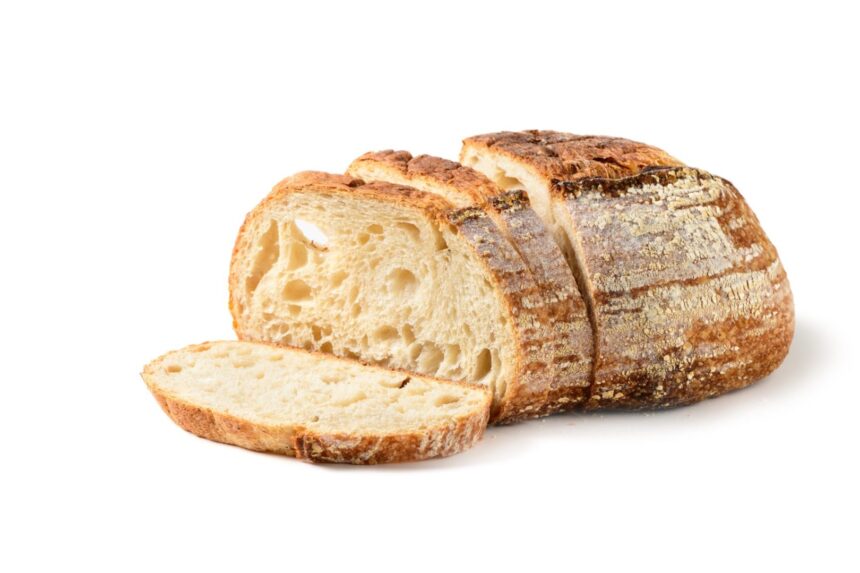
Bread often spoils well before the expiration date printed on the bag, and most people do not realize it until they are already mid-reach for a slice. The printed date on the packaging is not a reliable safety guide on its own. Food safety experts point to four specific warning signs that are worth knowing before that next bite, because catching spoilage early protects everyone in the household.
Strange texture is usually the first clue
The earliest sign that a loaf is beginning to deteriorate tends to show up in how it feels rather than how it looks. When exposed to air and cold temperatures it loses moisture rapidly, which is why food experts generally advise against refrigerating it. The resulting hardness, while unpleasant, does not necessarily mean it is unsafe to eat.
What does signal a real problem is a texture that goes beyond stiffness. Later in the spoilage process a loaf can develop a sticky, stringy or gummy quality caused by heat resistant spores that thrive in warm, moist environments. This condition progresses faster when humidity is high and research suggests that consuming a loaf in this state can cause digestive distress including nausea and vomiting.
Bread discoloration means the whole loaf goes
Mold appears in a range of colors including green, black, white and occasionally pink. The important thing to understand is that visible mold is only part of the story. Because a loaf is soft and porous, mold spreads through it in ways that are invisible to the naked eye, meaning the unaffected portion may already be compromised even if only one corner shows signs.
Mold produces compounds that can pose health risks, particularly for children, older adults and anyone with a weakened immune system. Food safety guidance is consistent on this point. If any discoloration appears, the entire loaf should be discarded rather than worked around.
Fuzzy or powdery patches are not just flour
A fuzzy or powdery appearance is another form that mold growth can take and it is sometimes mistaken for a light dusting of flour, particularly on artisan style loaves with a rustic crust. The distinction matters. If the texture on the surface was not there when it was first purchased or baked, it should be treated as a sign of spoilage.
The same rule applies here as with visible discoloration. Even if the fuzzy patch appears on just one slice or a single section, the recommended course of action is to discard everything.
A sharp smell is a signal to step back
A spoiled loaf often develops a smell that is difficult to ignore, typically described as musty or sour. This odor is produced by fungi as they break down the loaf during their growth cycle and it tends to appear after visible mold has already established itself, making it a later stage indicator rather than an early one.
Food safety guidance specifically advises against leaning in to smell anything that appears moldy or has already developed an off odor. Certain molds can trigger allergic reactions and respiratory irritation simply through inhalation, making distance the safest approach once a suspicious smell is detected.
How to store bread so it stays fresh longer
Understanding why spoilage happens is only half of the equation. The other half is knowing how to slow the process down.
Freezing is the most effective method available. Mold cannot grow at freezing temperatures and the process also slows moisture loss, which means a loaf pulled from the freezer and thawed properly tends to retain much of its original texture. There is also some emerging evidence that freezing changes the way the body processes certain components, though research in this area is still developing.
Packaging matters as well. The plastic bags used for supermarket storage are designed for shelf display rather than home preservation. Transferring a loaf into a paper or cotton bag after purchase promotes air circulation, which discourages the moist conditions that mold needs to grow.
For those who want a more structured solution, a bread box offers a protected environment with slight ventilation, conditions that are close to ideal for keeping a fresh loaf at its best for as long as possible. One simple storage change can make a meaningful difference in both safety and freshness, and that is a habit worth building starting today.