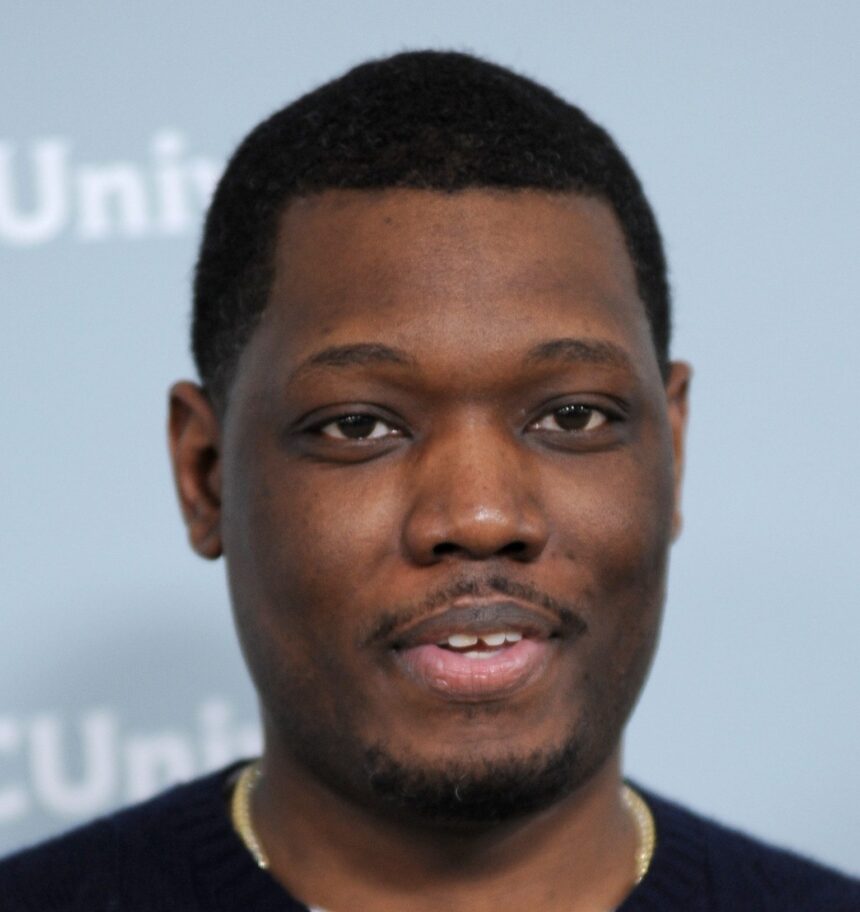
Michael Che was originally scheduled to appear at the live Netflix roast of Kevin Hart, but he withdrew from the event before it aired, citing scheduling conflicts with his commitments to Saturday Night Live. He was not the only one who dropped out. The roast lineup reportedly experienced considerable shuffling in its final days, with multiple last-minute additions and departures before the live telecast went ahead on Sunday.
What might have remained a quiet footnote in the production’s backstory became something considerably louder once Che took to social media. In a series of Instagram posts following the event, he drew a pointed contrast between how Black comedians and white comedians approach the art of the roast, suggesting that the material aired during the Hart special leaned heavily toward the latter sensibility. His posts referenced the kinds of jokes that had circulated online in the aftermath of the telecast, including material touching on slavery, racial slurs, sex crimes and family trauma.
What actually happened on stage
The roast, hosted by Shane Gillis and featuring a lineup that included Tony Hinchcliffe, Jeff Ross, Katt Williams, Pete Davidson and Dwayne Johnson among others, generated significant online reaction for some of its edgier choices. Gillis made jokes referencing slavery and lynching while mocking Hart’s height, later acknowledging that one particular line had required weeks of deliberation before he committed to it. Hinchcliffe drew sharp backlash for a joke involving George Floyd. Multiple performers made references to Hart’s late father’s struggles with addiction, and several jokes skirted or directly gestured toward a racial slur without stating it outright. References to an infamous Hollywood party hosted by Sean Combs also appeared in multiple sets throughout the night.
Che’s sharper target
Beyond the jokes themselves, Che directed specific attention toward the behind-the-scenes writing team assembled by Gillis for the event. In a follow-up post, Che shared a photo of five joke writers credited to Gillis’s team, all of whom are white, and framed it as a question about who gets hired to shape a roast honoring the most commercially successful Black comedian of the past decade. The post did not name the writers directly in the caption but allowed the image to carry the argument.
The point landed publicly even if it did not capture the full picture. The roast’s total writing credits included 17 people, several of whom are Black, and many of the individual performers brought their own separate writing teams to the project. One of the writers Che appeared to reference responded by resharing only the photo portion of the post without the accompanying text, adding a brief caption telling followers not to swipe further.
Netflix declined to comment. The broader conversation that Che’s posts ignited, about who gets hired to tell Black stories even in comedic contexts and whose sensibility shapes what ends up on screen, continued well past the telecast itself. For a comedian who chose not to perform, Che managed to say quite a lot.