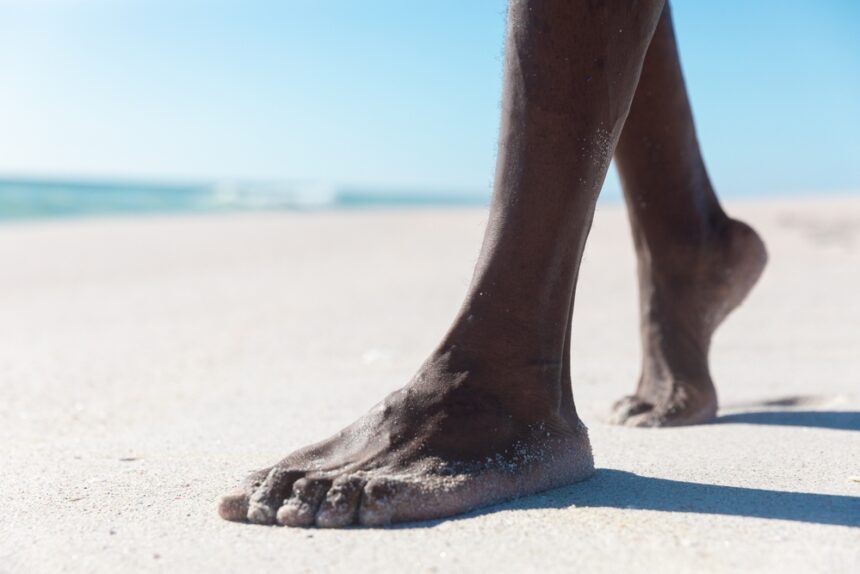
Most people kick off their shoes the moment they get home without giving it much thought. It turns out that habit may be doing more good than they realize. Podiatrists and dermatologists say that walking barefoot on clean indoor surfaces carries genuine health benefits, particularly for the muscles in your feet that quietly weaken over years of being wrapped in footwear.
The core argument for going barefoot at home comes down to muscular strength. The intrinsic muscles of the foot, those small but essential muscles that support movement and balance, tend to deteriorate with age and prolonged shoe use. When those muscles weaken, the consequences can extend well beyond the feet, affecting overall mobility and making everyday movements less efficient. Doctors who work with foot-related conditions say a significant number of the problems they treat can be traced back to an inability to properly engage these muscles.
Barefoot walking, done regularly on clean floors, essentially gives those muscles low-stakes exercise that shoes prevent them from getting.
The skin benefits most people overlook
The benefits are not limited to muscle function. Dermatologists point out that going barefoot at home allows the skin of the feet to breathe, which reduces the moisture buildup that can create the conditions for fungal infections like athlete’s foot. Shoes and socks, worn for hours at a time, trap heat and moisture in ways that make the foot an inviting environment for fungal growth. Removing that barrier at home gives the skin a chance to recover.
There is also a sensory dimension worth considering. The feeling of different surfaces underfoot activates nerve endings in ways that doctors describe as grounding and relaxing, similar in some respects to reflexology. For people without existing foot or skin conditions, this kind of tactile engagement with the floor can serve as an informal mindfulness practice and a small but real source of daily stress relief.
When barefoot becomes a risk
The benefits come with meaningful caveats. Hard floors, walked on barefoot for extended periods, can put stress on the joints and connective tissue in ways that cushioned footwear prevents. Plantar fasciitis, an inflammation of the tissue running along the bottom of the foot, is one condition that doctors associate with prolonged barefoot activity on unforgiving surfaces. People who already have foot or joint issues are particularly vulnerable to this kind of cumulative strain.
Skin exposure to floor surfaces is another consideration. Even in a clean home, floors can harbor dust, pet dander and residue from cleaning products. For people with sensitive skin, eczema, contact dermatitis or psoriasis, that kind of exposure can trigger flare-ups. The risk is manageable in a well-maintained space but worth acknowledging for anyone with a chronic skin condition.
People with diabetes, poor circulation or neuropathy face the most serious risks from barefoot walking. In these cases, even a small cut or abrasion can escalate into a significant health problem because the body’s ability to heal and detect injury is already compromised. Doctors are clear that these individuals should keep their feet covered regardless of how clean the floor is.
Finding the right balance
Doctors generally support barefoot walking at home as a healthy default for most people, with some practical guardrails. Standing for long periods on hard floors without support, such as during extended cooking sessions, can concentrate pressure on specific parts of the foot in ways that become uncomfortable and potentially damaging over time. In those situations, a supportive shoe or a cushioned mat makes more sense than pushing through the discomfort.
Socks offer a middle path. They reduce the full muscular and sensory benefit of true barefoot contact but provide a light barrier against surface irritants and reduce the risk of slipping on smooth floors. For households with mixed needs, some members going fully barefoot and others preferring socks, that compromise tends to work reasonably well for most feet.