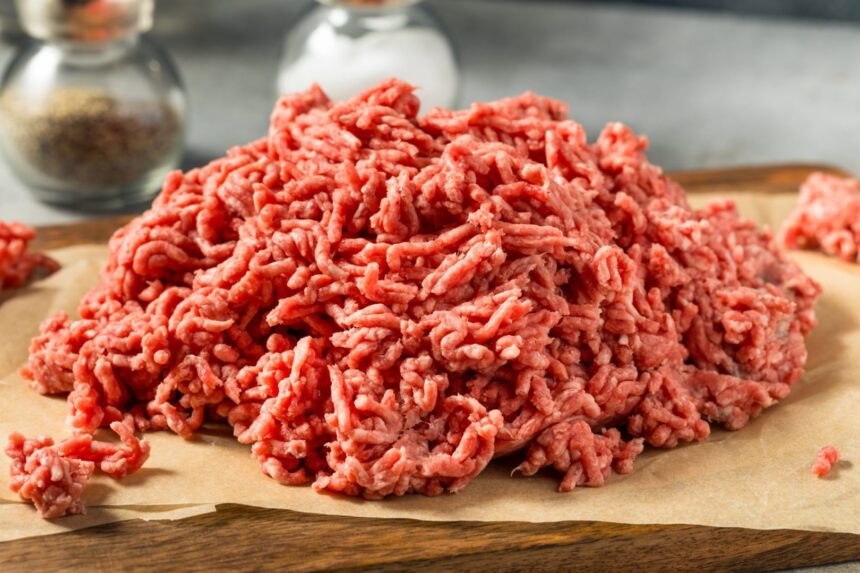
For anyone who relies on ground beef as a weeknight staple, the freezer is less a luxury and more a necessity. It makes the difference between a last-minute dinner that actually comes together and a frantic trip to the grocery store at 6 p.m. But knowing how long ground beef actually stays good in there, and how to store it properly, is the kind of knowledge that separates a smart home cook from one who ends up tossing a pound of freezer-burned meat without quite knowing what went wrong.
The short answer on timing is more reassuring than most people expect. Ground beef kept at a consistent temperature of 0 degrees Fahrenheit will remain safe to eat indefinitely. Safety and quality, however, are two very different conversations.
Safety versus quality
From a food safety standpoint, properly frozen ground beef does not spoil. The risk enters the picture only when something disrupts the freeze, a prolonged power outage or a freezer door left slightly open, for example. In those situations, the temperature of the meat becomes the determining factor. Ground beef that still contains ice crystals and registers no warmer than 40 degrees Fahrenheit can be safely refrozen. Anything that has risen above that threshold should be discarded right away.
A fully stocked freezer with its door kept shut will hold a safe temperature for roughly 48 hours during a power outage. A freezer that is only half full buys about 24 hours before the temperature begins to climb into unsafe territory.
Where things get more nuanced is on the quality side. The longer ground beef stays frozen, the more moisture and flavor it gradually loses. That slow deterioration does not make it dangerous, but it does make it noticeably less enjoyable to cook and eat. Aiming to use frozen ground beef within three to four months of storing it is the sweet spot for preserving its taste and texture.
How to store it the right way
Short-term freezing, meaning just a few days before you plan to cook, does not require anything beyond the original store packaging. But for anything longer than that, a little extra effort goes a long way. Wrapping the original package tightly in heavy-duty plastic wrap or aluminum foil adds a protective layer against freezer burn. Alternatively, sliding the package into a zipper-lock freezer bag with as much air pressed out as possible works equally well.
If you bought a larger quantity than you need for a single meal, take a few minutes to divide it into individual portions before freezing. Packaging smaller amounts separately means you can pull exactly what you need without defrosting more than intended.
Labeling is the step that is easiest to skip and most often regretted. A small piece of masking tape on each package with the contents, portion size and freeze date will spare you from the mystery of digging through unmarked packages weeks later and guessing how old something is. It takes thirty seconds and saves a lot of guesswork.
A few simple habits go a long way
Ground beef is one of the more forgiving proteins to freeze, which is part of why it earns a permanent spot in so many home freezers. Understanding the difference between food safety and food quality, and taking a few straightforward steps when packaging it up, means you can always have it ready to go without worrying about what condition it will be in when you need it most.