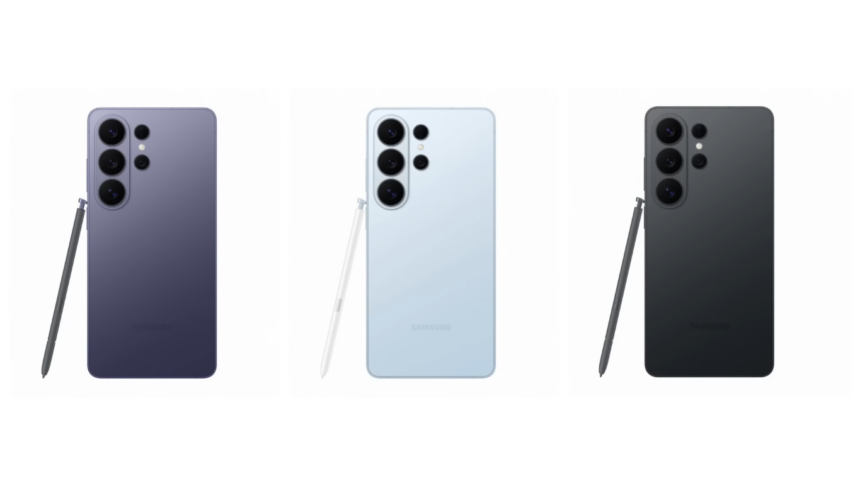
The Edge was too thin with too many compromises, but if Samsung learned those lessons, the Plus could actually be worth the money
Samsung’s experiment with the Galaxy S25 Edge was supposed to be revolutionary, but it turned out to be a cautionary tale about chasing thinness at the expense of everything else. The Edge launched with an incredibly thin profile, a better main camera, and a higher price tag than the Plus model. Yet it came with a smaller battery, fewer cameras, slower charging, and enough compromises that it basically became the awkward expensive little sibling nobody wanted. Sales underperformed so badly that reports suggest Samsung is canceling the Galaxy S26 Edge entirely. That’s actually the right call. But here’s the opportunity: Samsung should take everything it learned from the Edge failure and inject it into the Plus model, which has always been the forgotten middle child of the S-series family.
- The Edge was too thin with too many compromises, but if Samsung learned those lessons, the Plus could actually be worth the money
- The Plus model has a legitimate identity crisis
- The Edge was supposed to fill a gap, but it created more problems than it solved
- Silicon-carbon batteries could be the missing piece
- The Plus is already a large phone that’s decently thin
The Plus model has a legitimate identity crisis
It’s bigger than the base model but basically the same phone. It costs $200 more than the base S25 (which launched at $799) but offers upgrades that don’t feel worth the premium. Better battery, faster charging, sharper display, more storage
these are nice improvements, but they don’t justify the jump in price when the Ultra offers so much more for roughly the same size. The Plus has always underperformed compared to the base and Ultra models, according to Moor Insights & Strategy analyst Anshel Sag. Even Apple has this same problem with its Plus model. The issue is fundamental: consumers aren’t interested in paying more for essentially the same phone in a larger chassis.
The Edge was supposed to fill a gap, but it created more problems than it solved
Samsung rushed the Edge to market before Apple could launch the iPhone Air, but the Edge came with too many sacrifices. It had a smaller battery than even the base S25. Fewer cameras than the Plus. Slower charging. Yet it cost more than the Plus. From a value perspective, it was basically a downgrade dressed up as premium thinness. The perception problem was massive: people saw the Edge as expensive and compromise-laden rather than revolutionary. That’s why it flopped.
Here’s what Samsung needs to do: abandon the Edge as a separate device, but steal its best ideas for the Plus. The Edge proved that Samsung could make phones incredibly thin the S25 Edge achieved that technical feat. But thinness alone doesn’t sell phones. Samsung needs to take the thinness technology and apply it to a device that doesn’t sacrifice battery, camera, or charging speed. The Plus is the perfect vehicle for this strategy.
Silicon-carbon batteries could be the missing piece
Honor demonstrated this with the Magic 8 Pro Air, which is only 6.1mm thin yet has a 5,500mAh battery, a solid triple camera system, and a flagship chipset. Samsung’s hesitation to adopt silicon-carbon batteries is puzzling. If they embraced this technology for the Plus, they could offer equivalent or better battery capacity in a thinner profile while keeping the triple camera system and charging speeds intact.
Sag agrees there’s still a place for thinness, but only if the compromises disappear. “Consumers need to be convinced about durability and battery life before they make the jump,” he said. “Camera configurations can’t suffer too much.” That’s the formula: thinness isn’t the selling point. Thinness without compromises is the selling point.
The Plus is already a large phone that’s decently thin
It’s the perfect foundation for this strategy. Samsung could market a new Plus as the thinness evolution of the series without sacrificing the stuff that actually matters to users. Not smaller batteries. Not fewer cameras. Not slower charging. Just smarter engineering that achieves thinness without compromises.
The Edge experiment failed because it prioritized thinness over everything else. The Plus evolution should prioritize thinness as a bonus feature, not the primary selling point. That’s how Samsung makes the Plus actually interesting again.