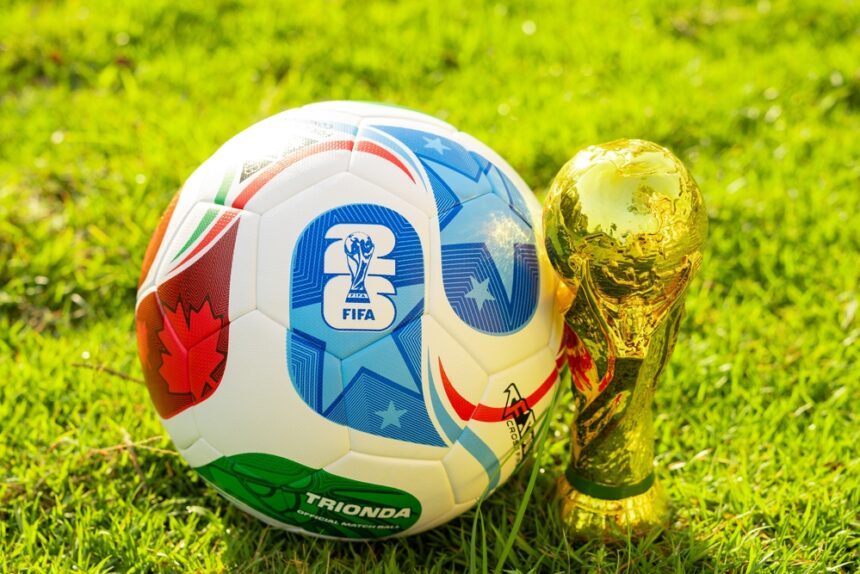
The 2026 FIFA World Cup stands just months away from transforming soccer history across North America. With June rapidly approaching, preparations have reached fever pitch as the United States, Canada and Mexico finalize details for the most ambitious tournament FIFA has ever staged.
This marks the first time three nations will jointly host the World Cup, and the first tournament featuring 48 teams instead of the traditional 32. The expanded format promises more drama, more matches and more opportunities for nations that rarely reach the global stage. From Vancouver to Mexico City, host cities are racing against time to ensure stadiums, infrastructure and fan zones meet FIFA standards.
Venue Preparations Enter Final Stretch
Sixteen venues across the three host nations are undergoing final touches. MetLife Stadium in New Jersey will host the World Cup final on July 19, while the opening match remains scheduled for Mexico City’s iconic Estadio Azteca. The 2026 World Cup will feature matches in cities including Los Angeles, Miami, Toronto, Dallas and Atlanta.
Stadium renovations have transformed these venues into World Cup-ready facilities. Grass installation, hospitality suites and broadcast infrastructure represent just the beginning. Cities have invested billions in surrounding infrastructure, from public transportation upgrades to hotel expansions. The scale dwarfs previous tournaments held on American soil.
Qualification Drama Reaches Climax
The road to the 2026 World Cup has delivered countless memorable moments. European qualifiers wrapped up with surprising results, while South American teams battled through marathon qualification campaigns. Asia and Africa produced their share of upsets, ensuring the tournament will showcase genuine global representation.
Traditional powerhouses like Brazil, Germany and France secured their spots early, but several nations face nail-biting playoff scenarios. The expanded 48-team format means more countries will experience World Cup glory, yet competition for those final spots remains fierce. Some teams that missed recent tournaments now have fresh chances at redemption.
Revolutionary Tournament Format
The 2026 World Cup introduces a groundbreaking structure that divides 48 teams into 12 groups of four. The top two from each group advance alongside the eight best third-place finishers, creating a round of 32 before the traditional knockout stages begin. This format guarantees each team plays at least three matches, maximizing exposure and revenue potential.
Critics question whether quality will suffer with more teams involved, while supporters argue the expansion democratizes global soccer. Smaller nations gain invaluable experience competing against elite opposition. The tournament will span 39 days with 104 total matches, compared to 64 matches in previous editions.
Economic Impact Projections Soar
Financial analysts project the 2026 World Cup will generate unprecedented revenue. Ticket sales have shattered records, with millions of fans securing seats through multiple lottery rounds. Hospitality packages sold out within hours, while corporate sponsorships reached astronomical figures.
The three host nations expect combined economic benefits exceeding 5 billion dollars. Tourism surges, job creation and global media attention will ripple through local economies for years. Small businesses near venues anticipate their busiest summer ever, while major corporations have locked in advertising campaigns months in advance.
Fan Experience Takes Center Stage
FIFA has promised the 2026 World Cup will prioritize fan accessibility and engagement. Special visa programs will ease international travel, while fan festivals in each host city will create carnival atmospheres. Technology integration includes enhanced mobile apps, cashless payments and augmented reality experiences throughout venues.
Transportation coordination between cities presents logistical challenges unlike any previous World Cup. Fans may watch group stage matches in multiple countries, requiring seamless border crossings and coordinated flight schedules. Organizers have developed comprehensive travel guides and support systems to navigate these complexities.
The countdown clock ticks toward June as the soccer world holds its breath. Stadium lights will soon illuminate the biggest sporting spectacle on Earth, and the 2026 World Cup will etch new chapters in soccer history. Three nations united by their passion for the beautiful game prepare to welcome the world.