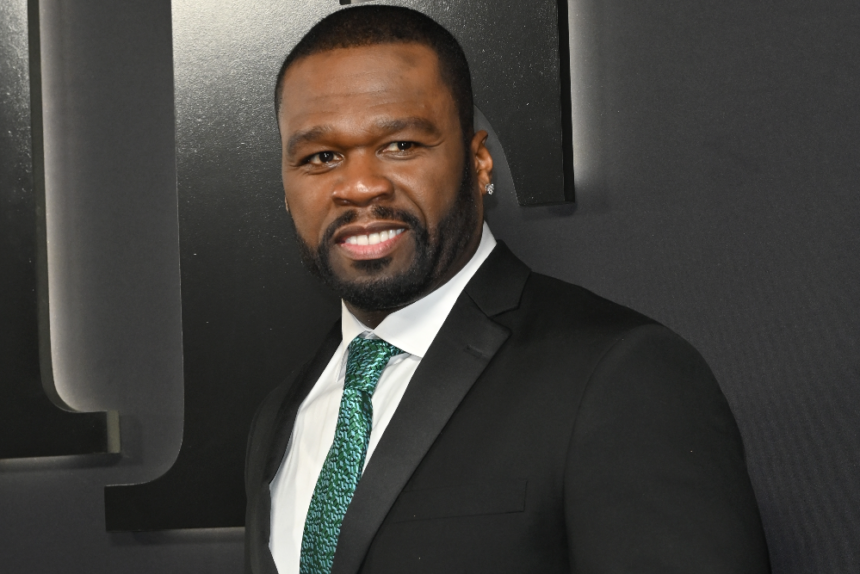
The hip-hop industry has long debated the merits of different management philosophies, and 50 Cent just added fuel to that fire. In a candid conversation with Brian J. Roberts, the G-Unit founder pulled back the curtain on his artist development approach, drawing stark contrasts between himself and Jay-Z that reveal two fundamentally different business philosophies.
The Queens native admitted that Hov has outperformed him in pure business terms, but the reasons why paint a fascinating picture of sacrifice versus strategy. While the Roc Nation mogul reportedly waits until his artists reach a certain level of success before lending his star power, 50 takes a markedly different path—one that he describes as self-sacrificial.
The Collaboration Divide
50 Cent dropped a bombshell when he explained Jay-Z’s alleged approach to working with emerging talent. The businessman waits until artists are thriving independently before jumping on tracks with them. This calculated strategy ensures that any collaboration happens when both parties are positioned for maximum benefit, treating the relationship as a purely transactional arrangement.
The Power creator takes the opposite route. He throws himself into the development process from day one, working tirelessly to elevate his roster even when it costs him personally. His method involves pushing artists into prime positions regardless of whether the timing benefits him directly.
Personal Investment Over Portfolio Management
The distinction becomes clearer when 50 discusses how he views his artists. Rather than maintaining professional distance, he considers them family. This emotional investment drives him to create opportunities and open doors that might otherwise remain closed. The G-Unit boss shoulders the burden of their success as though it were his own.
Jay-Z’s approach, as described by 50, operates on business logic. The Brooklyn legend positions himself strategically, ensuring every move serves the bottom line. Collaborations happen when market conditions align, not necessarily when an artist needs the boost most. It’s calculated, efficient, and undeniably effective from a wealth-building perspective.
The Resentment Factor
Even with his best intentions, 50 has faced backlash from artists who felt overlooked. Some members of his roster have expressed frustration when they perceived unequal treatment compared to breakout stars. The mogul acknowledged these uncomfortable confrontations, where artists questioned why he seemingly made one person famous while leaving others in the shadows.
His response highlights the unpredictable nature of the music industry. Talent alone doesn’t guarantee success. Market timing, cultural moments, and pure luck play massive roles in determining which artists explode and which ones fade into obscurity. 50 has worked equally hard for different artists, but external factors beyond his control ultimately shaped their varying degrees of success.
The Cost of Loyalty
The Power Universe executive’s admission that he beats himself up over artist development speaks volumes about the toll this approach takes. Unlike Jay-Z‘s measured strategy, 50’s method requires constant personal investment, emotional labor, and reputational risk. He puts himself on the line before knowing whether an artist will deliver returns.
This fundamental difference explains why Jay-Z has accumulated greater wealth despite both men starting from similar circumstances in the rap game. The Roc Nation founder treats artist development as portfolio management, while 50 treats it as kinship. One strategy builds empires efficiently; the other builds loyalty and legacy, though perhaps at a steeper personal cost.
Two Paths to Success
Neither approach is inherently wrong. Jay-Z’s business-first mentality has made him hip-hop’s first billionaire and created sustainable wealth across multiple industries. His artists understand the relationship as professional from the start, eliminating confusion about expectations, a model that contrasts sharply with the artist-driven loyalty seen in careers like Drake’s rise.
50 Cent’s family-first philosophy has created deep bonds and a reputation as someone who genuinely cares about his people. Artists under his wing know he’ll fight for them before they prove profitable. This generates loyalty that money can’t buy, even if it sometimes leads to disappointment when success doesn’t materialize as hoped.
The conversation reveals that success in the music industry isn’t one-size-fits-all. Both moguls have built impressive empires using completely different blueprints. The real question isn’t which method works better, but which one aligns with your values when the cameras stop rolling and the checks stop coming.
Source: Complex