
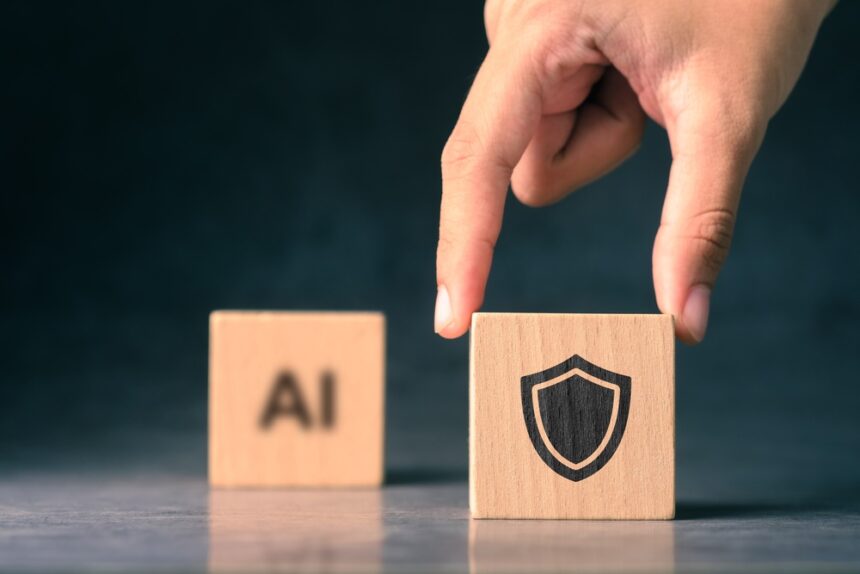
A former Google executive says the history of social media offers clues about how AI guardrails will take shape.
Vic Gundotra, a former Google senior vice president, argued that platforms like YouTube cleaned up their content because of the threat of lawsuits, and that artificial intelligence companies face similar pressure.
He made the comments in an interview with EpochTV’s American Thought Leaders that aired Nov. 21. His comments add to a growing national debate over AI guardrails.
What did Vic Gundotra say about AI guardrails?
Gundotra said YouTube quickly evolved from a platform that hosted illegal content into the household name it is today. He believes AI firms have a similar incentive to make their products safe.
In his view, legal risk, not just government rules, will push companies to build safeguards. Companies that fail to protect users could face costly lawsuits, damaged reputations and lost business.
Gundotra called the pace of AI development both terrifying and exhilarating, according to the interview.
How did YouTube clean up its platform?
In its early years, YouTube was flooded with pirated movies, TV shows and music. Google bought the site in 2006 for $1.65 billion.
Media giant Viacom sued YouTube for $1 billion in 2007 over copyright violations. That same year, YouTube launched Content ID, a system that helps rights holders find and manage copyrighted material.
Gundotra pointed to that evolution as an example of how legal pressure can drive companies to police themselves. Over time, YouTube built tools and policies to remove harmful content and protect advertisers.
Why are calls for AI guardrails growing?
Frontier AI models have been linked to a growing number of breaches at companies, websites and government agencies, according to The Epoch Times.
Researchers and tech safety advocates have urged companies to adopt AI guardrails, or safety protocols that make sure the technology behaves as humans intend.
The FBI recently warned that cybercriminals are using an AI tool to hack companies in hours, and Google has said the era of autonomous AI attacks has arrived. Director of National Intelligence Jay Clayton recently said a string of major outages were not caused by cyberattacks, but officials remain on alert.
Should the government require AI guardrails?
Some experts argue companies will not act unless the federal government forces them through new regulations. Several states have passed their own AI safety laws, while Congress has debated a national approach.
Gundotra’s view leans on the courts and the market, rather than new laws, to keep AI in check.
Social media platforms are largely shielded from liability for user posts under Section 230 of the Communications Decency Act, though copyright claims fall under separate rules. How those protections apply to AI generated content remains an open legal question.
Supporters of regulation say clear rules protect the public, while opponents warn heavy rules could slow innovation and hand an edge to rivals like China. The Trump administration has generally favored a lighter touch on AI rules.
Who is Vic Gundotra?
Gundotra spent years at Microsoft before joining Google, where he led its social network, Google Plus. He later became CEO of AliveCor, a medical technology company.
His experience at major tech companies gives him a front row view of how the industry has handled past safety challenges. AliveCor makes devices that monitor heart rhythms.
Whether AI guardrails come from lawsuits, laws or the companies themselves, the debate is likely to grow as the technology advances. For now, Gundotra is betting that the threat of lawsuits will push companies to build strong AI guardrails.