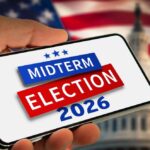

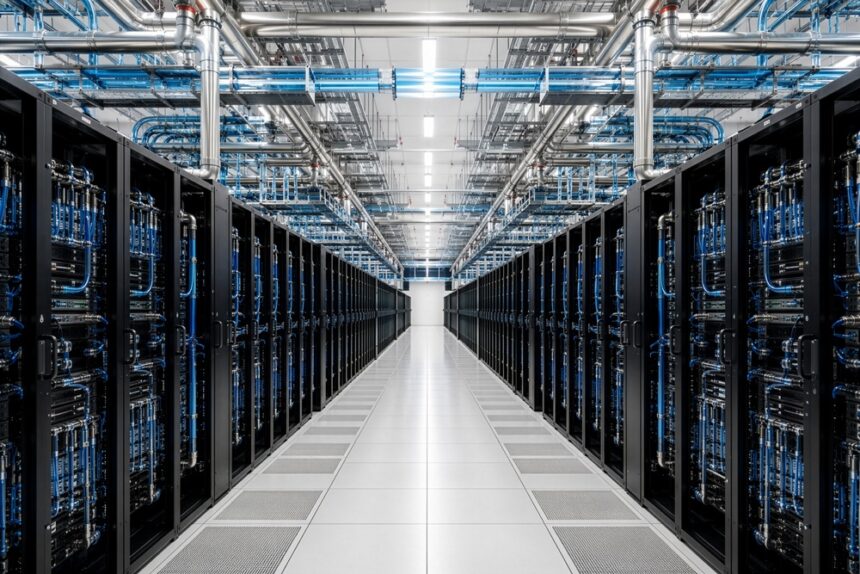
Nobody planned for the AI boom to become a campaign issue, but here we are. As artificial intelligence grows fast, data centers are popping up across the United States, and some voters are pushing back hard. Ahead of the Nov. 3 midterms, the debate is spilling into local politics and national policy.
The industry’s pitch is familiar. Data center backers stress the economic boost they bring and their role in the race against China to set global AI standards. Many Americans who spoke with The Epoch Times aren’t buying it. Their concerns center on what the facilities could do to energy costs and water supplies, and they’re asking who ends up paying the price.
Why the worry is growing
Polling tells a mixed story. Some surveys suggest data centers rank lower on voters’ priority lists than issues like the economy or health care. But a recent Pew Research Center poll found that most Americans now believe data centers are generally bad for the environment and for home energy costs. That’s a notable shift for a topic many people barely thought about a few years ago.
Think of it like a new neighbor who moves in with a huge generator and a thirsty cooling system. Even if the neighbor brings good jobs, people still want to know what their electric bill will look like next year.
Where the fight is already showing up
In some places, the debate has moved beyond opinion surveys and into real campaigns. Ohio is one example, where data centers have surfaced in political races and on ballot measures. That’s a sign the issue has grown beyond technical circles and into everyday conversations at kitchen tables and town halls.
Industry voices are paying attention. One strategic communications adviser who works with data center companies acknowledged that community concerns, pushback and tough questions are real and deserve a serious response. That’s a rare admission from a group that has spent years promoting the benefits of these projects.
What the election could mean for AI rules
The results on Nov. 3 could shape how Congress handles AI regulation. Lawmakers may take a close look at whether to make the Ratepayer Protection Pledge part of federal law. President Donald Trump, a strong backer of building data centers in the United States, has promoted that voluntary pledge from companies. Under it, businesses promise that households won’t unknowingly cover the cost of the power-delivery upgrades data centers require.
A voluntary promise is only as strong as the company keeping it. Codifying the pledge would turn it into a rule that could be enforced, which is why supporters and critics are watching so closely.
What to keep an eye on
So what should you watch on election night and after? Start with races and ballot measures in areas where data centers are already under debate. Then look at whether candidates talk about electricity rates, water use or local zoning decisions, because those details will show how seriously the issue is being taken.
Here’s the bigger question: will voters treat data centers as a local headache or a national priority? The answer may not come on Election Day, but the outcome will help determine how much say communities get over the next wave of AI infrastructure. If you live near a proposed project, it’s worth showing up to the meetings and asking the questions yourself.