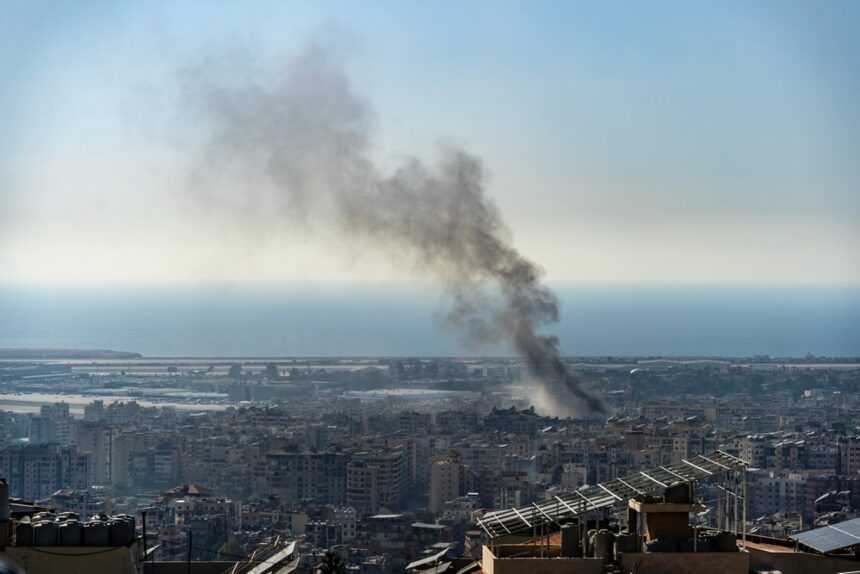
The State Department warned Americans across the Middle East to remain vigilant on Thursday after attacks on two civilian airports in Saudi Arabia killed three people and injured 36.
What happened?
Attacks on Abha International Airport and King Khalid International Airport on Oct. 6 and Oct. 7, claimed by Yemen’s Houthi movement. Saudi authorities reported three dead and 36 injured across the two incidents. The country’s civil aviation authority said it was still assessing damage and verifying the safety of the affected facilities, and would take measures to secure the aviation system.
What did the warning say?
That the situation could escalate quickly, with potential flight cancellations, airspace closures and travel disruption across the region. The department also said Iran and groups supportive of it may target US interests abroad, including businesses and institutions associated with the United States, anywhere in the world.
What did the embassy do?
Restricted its own people, which is the more revealing measure. US government employees in Saudi Arabia now require special authorisation to use King Khalid International Airport and are barred from travelling within 20 miles of the Yemen border. An advisory tells the public to be careful. Restrictions on an embassy’s own staff indicate what that embassy has concluded about the risk.
Why is King Khalid significant?
It serves Riyadh, the Saudi capital, and is one of the country’s principal international gateways. An attack reaching it is materially different from one on a facility near the Yemeni border, because it demonstrates range rather than proximity. Abha sits in the south west, far closer to Yemen and historically more exposed.
What should travelers expect?
Disruption rather than closure, on current information. Airspace restrictions and cancellations in the region tend to be imposed and lifted quickly as assessments change. Anyone with travel booked through Saudi or regional hubs should check directly with their airline rather than relying on general advisories, and should expect schedules to change at short notice.
How does this connect to the wider conflict?
Directly. The Houthis have been engaged in hostilities involving Saudi Arabia for years and have also attacked shipping in the Red Sea and the approaches to the Strait of Hormuz, disruption that has been reshaping oil markets since February. The department’s reference to Iran and groups supportive of it places these attacks within that broader confrontation rather than treating them as isolated.
What is not established?
Scale and intent. The source material gives no detail on the method of attack, the extent of damage, whether either airport is operational, or whether further attacks are anticipated. The civil aviation authority’s assessment had not concluded when the warning was issued.
What should be watched?
Whether the airports resume normal operations, whether airspace restrictions are imposed, and whether the embassy restrictions broaden. Any of those would indicate how authorities assess the risk of further Saudi airport attacks, which is a better guide than advisory language.