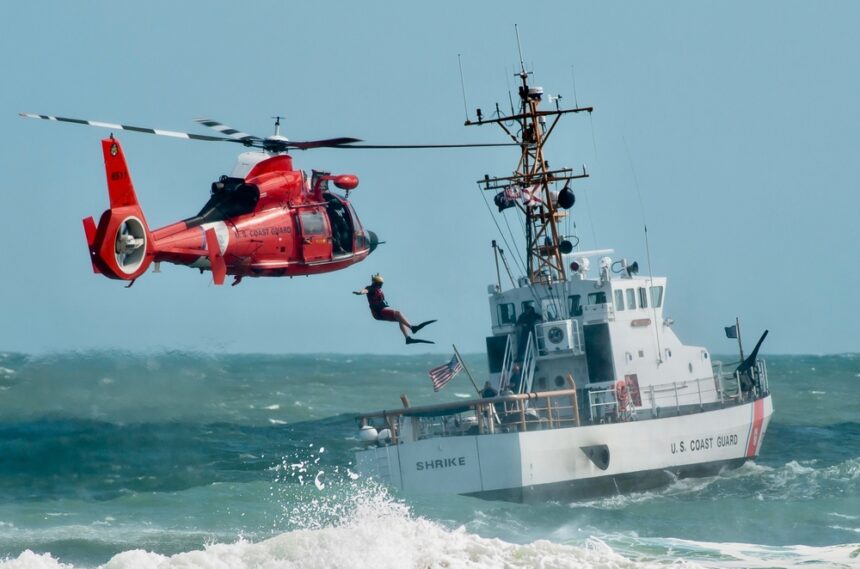
The U.S. Coast Guard seized 47 bales of suspected contraband weighing 2,082 pounds and valued at more than $2.4 million after detecting a suspicious go-fast vessel during a routine patrol, Joint Interagency Task Force South announced in a Sept. 3 post on X.
The crew of USCG Cutter Escanaba investigated after the vessel stopped without incident and discovered a bale field along the vessel’s route. Four individuals were detained. The task force thanked the Joint Rescue Coordination Center Haiti for its support but did not specify where the interdiction took place.
What JIATFS is
JIATFS is a Florida-based counternarcotics partnership of 13 domestic and 20 international partner organizations that monitors and facilitates the interdiction of traffickers in maritime and air domains. The task force operates across 42 million square miles with the goals of disrupting illegal flows and dismantling transnational criminal organizations.
In 2025, Coast Guard activities stopped 231 narco-terrorists and interdicted 231 metric tons of controlled substances across all operations.
The operational pattern
The Sept. 3 interdiction reflects the continuing counternarcotics mission in the Caribbean and eastern Pacific corridors, where go-fast boats are a primary method for moving bulk illegal shipments. These vessels are designed for speed and rely on outrunning detection rather than avoiding it.
The bale field discovery suggests the crew may have jettisoned some or all of the cargo as the Escanaba approached, a common tactic that allows crews to deny possession while losing the shipment. In this case, four individuals were still detained.
The Haiti coordination acknowledgment places the operation in or near Haitian waters or the broader Caribbean corridor that Haitian authorities and U.S. counterparts share jurisdictional responsibility for monitoring.
The broader context
These seizures at sea represent a smaller share of the overall interdiction mission than cocaine seizures, which tend to generate more attention because of the higher value per pound. The 2025 figures, 231 metric tons across all categories, include cocaine and other controlled substances in addition to marijuana.
The Americas Counter Cartel Coalition, established in March 2026, represents a broader escalation of the U.S. counternarcotics framework, and operations like the Sept. 3 Coast Guard Escanaba interdiction are the vessel-level expression of that policy.