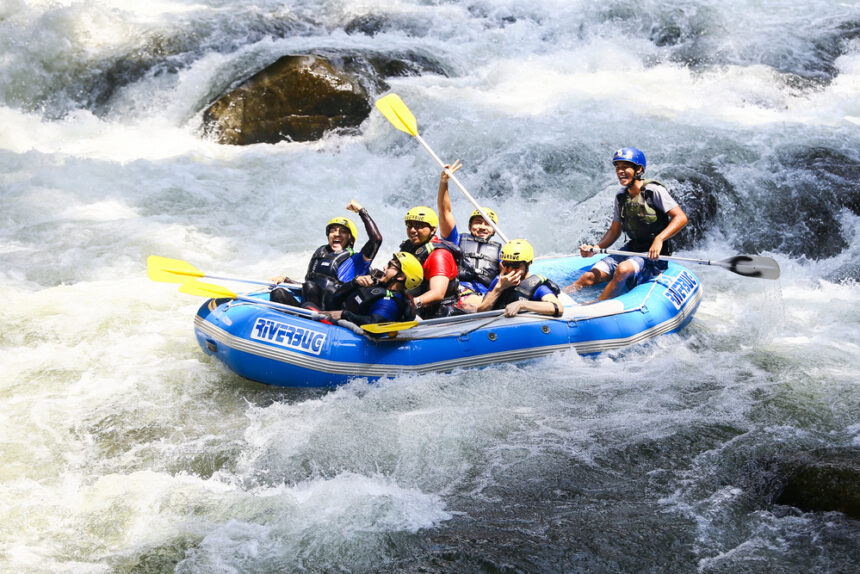
White water rafting is no longer a sport reserved for the daring few who grew up near mountain rivers. Across the country, the activity has surged in popularity, drawing in a new, diverse wave of thrill-seekers ready to trade their comfort zones for churning rapids and wild currents. And honestly? It is about time.
At its core, it is raw, unfiltered adventure. A group of people, a sturdy inflatable raft, paddles in hand, and a river that does not care how prepared anyone thinks they are. That tension — between human effort and nature’s force — is exactly what makes it one of the most electrifying extreme sports on the planet.
What Makes Rafting So Addictive
There is a reason people who try rafting once rarely stop at one trip. The sport delivers a cocktail of emotion that is almost impossible to replicate elsewhere. Fear, focus, teamwork, and pure euphoria all crash together the moment the raft hits its first major rapid.
Rafting runs are graded on a scale from Class I to Class VI
- Class I-II — Gentle currents, ideal for first-timers and families
- Class III — Moderate waves with some obstacles, great for beginners ready to level up
- Class IV — Powerful rapids requiring sharp paddling skills and team coordination
- Class V — Intense, violent water best left to experienced rafters
- Class VI — Considered unraftable by most standards; extreme danger territory
This tiered system means rafting genuinely has something for everyone — no experience required to start, no ceiling for those chasing the next level.
The Community Side of Rafting Nobody Talks About
What often gets overlooked in conversations about rafting is how deeply communal the sport is. You cannot navigate a Class IV rapid alone. The paddle strokes have to sync. The calls from the guide have to be followed instantly. Everyone in that raft is equally soaked, equally terrified, and equally alive.
That shared vulnerability builds something real. It breaks down barriers in ways that few other experiences can. Communities that have historically been kept out of outdoor adventure spaces are now showing up on rivers in powerful numbers — and changing the face of the sport entirely.
Organizations dedicated to expanding access to outdoor sports have made rafting more reachable for urban communities, offering subsidized trips, gear rentals, and guided experiences designed specifically for newcomers. The river does not discriminate. Neither should the sport.
Best Rafting Destinations Worth the Trip
For those ready to book a trip, these destinations consistently rank among the most thrilling in the country
- New River Gorge, West Virginia — Home to some of the most legendary Class V rapids on the East Coast
- Colorado River, Grand Canyon, Arizona — A multi-day rafting experience through one of the world’s most iconic landscapes
- Gauley River, West Virginia — Known as the beast of the East, peak season runs in autumn
- Ocoee River, Tennessee — A fan-favorite for intermediate rafters, hosted Olympic events in 1996
- American River, California — Perfect entry point for beginners with scalable difficulty sections
What to Expect on Your First Rafting Trip
First-timers often arrive not knowing what to expect. Here is a quick breakdown of how a typical rafting day unfolds
- Safety briefing — Guides walk everyone through paddle commands, what to do if someone falls out, and how to read the river
- Gear up — Helmets, life jackets, and wetsuits are non-negotiable regardless of the weather
- Practice strokes — A short warm-up section before hitting the serious rapids
- Hit the water — The real experience begins, and no amount of preparation fully captures that first drop
- Celebrate at the end — Post-raft energy is its own kind of high
Rafting Is More Than a Sport — It Is a Reset
Beyond the adrenaline, the experience has a quieter gift to offer. Studies have consistently linked time in nature with reduced stress, improved mood, and stronger feelings of connection to others. Rafting delivers all three at full volume.
The river strips everything back. No screens. No noise. Just water, sky, and the people paddling beside you. For communities that have long navigated life’s roughest rapids without the luxury of rest, that reset carries extra weight.
It is not just an extreme sport. It is an equalizer. And it is waiting.