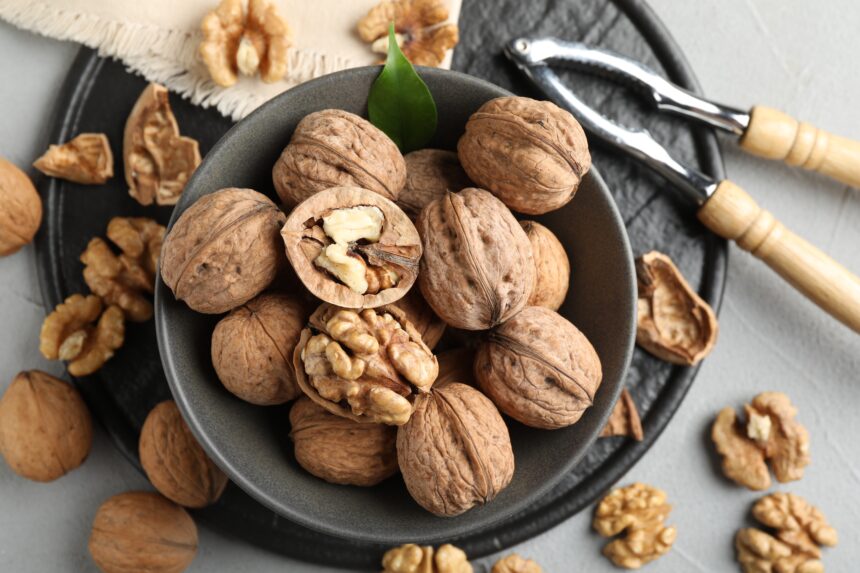
Not all superfoods hold up under scrutiny, but walnuts have spent decades accumulating serious research support. What makes them particularly notable is not just the range of health benefits they offer but the specificity of what studies have found, especially when it comes to aging well. Among all the nuts available, walnuts have emerged as the one most consistently linked to healthy aging in large-scale research.
A landmark study using data from the Nurses’ Health Study, published in the Journal of Aging Research, followed nearly 34,000 women in their late 50s and early 60s over an extended period, assessing diet, physical health, memory and chronic disease status. The findings were specific and compelling. Women who consumed at least two servings of walnuts per week had 20 percent higher odds of being classified as healthy agers compared to those who did not eat walnuts. Healthy aging was defined as maintaining sound mental health, freedom from major chronic disease or memory problems and no physical disabilities. When researchers adjusted for other variables and looked at total nut consumption, only walnuts maintained a significant association with healthy aging outcomes.
What makes walnuts nutritionally unique
Walnuts are the only tree nut that qualifies as an excellent source of alpha-linolenic acid, a plant-based form of omega-3 fatty acid. Beyond that, they provide fiber, plant-based protein, antioxidants and a range of essential micronutrients including magnesium. A single one-ounce serving, roughly 12 to 14 halves, delivers a meaningful nutritional profile that supports multiple body systems simultaneously.
The antioxidants in walnuts, including polyphenols and phytosterols, are central to their anti-aging properties. These compounds work by reducing oxidative stress and inflammation in the body, two processes that accelerate cellular aging and contribute to the development of chronic disease. Walnuts have been linked in research to a reduced risk of cardiovascular disease, depression, diabetes and age-related cognitive decline, all conditions that become increasingly relevant as people move through midlife and beyond.
Heart health is where the evidence is strongest
Cardiovascular benefits are among the most well-documented effects of regular walnut consumption. Research published in the journal Nutrients found that eating as few as ten grams of walnuts per day was associated with a decreased risk of cardiovascular disease. A separate 2021 study published in Circulation observed older adults who consumed two daily servings of walnuts for two years and confirmed that regular walnut intake improved cholesterol levels, specifically by reducing LDL, the form of cholesterol most associated with heart disease risk.
Walnuts have also earned certification from the American Heart Association’s Heart-Check program, a recognition given only to foods that meet defined criteria for heart-healthy nutrition.
How much and how often
The FDA advises that eating one ounce of nuts daily as part of a balanced diet can help reduce the risk of heart disease. For walnuts specifically, that translates to a small handful. The Mayo Clinic recommends four to six servings of unsalted nuts per week for adults, reinforcing that even healthy fats should be consumed with some moderation rather than without limit.
Walnuts are versatile enough to work in almost any meal context. They can be added to oatmeal, incorporated into salads, blended into smoothies or eaten alone as a snack. Choosing raw, dry-roasted or unsalted varieties keeps sodium and added sugar from offsetting the nutritional benefits.
No single food transforms overall health on its own. But within a well-rounded diet that includes regular physical activity, walnuts represent one of the more well-supported choices available for anyone thinking seriously about longevity.