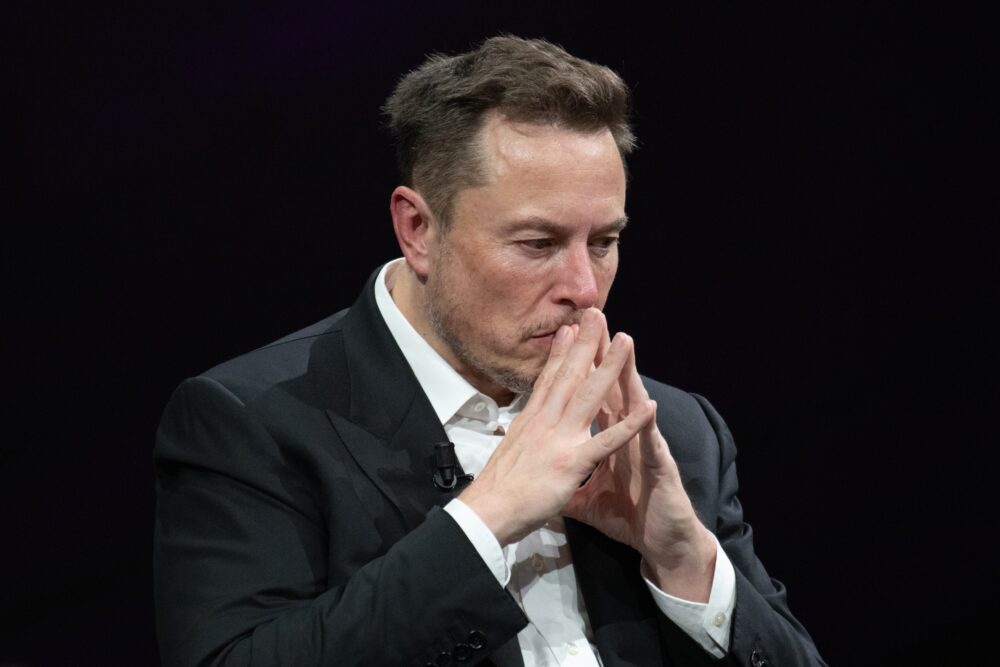
A California jury has ruled that Elon Musk made false and misleading statements to Twitter shareholders in the lead-up to his $44 billion acquisition of the social media company in 2022, dealing the billionaire a significant legal defeat that could cost him as much as $2.6 billion in damages.
The verdict, delivered Friday in federal court in San Francisco, largely sided with a group of Twitter shareholders who argued that Musk deliberately drove down the company’s stock price through a series of public statements and tweets designed to pressure its board into accepting a lower purchase price. However, the jury stopped short of finding that Musk engaged in a specific coordinated scheme to defraud investors a distinction that may matter when the damages phase of the case is resolved.
What the jury decided
The civil class action lawsuit, known as Pampena v. Musk, was originally filed in October 2022, just weeks after Musk completed his purchase of Twitter at $54.20 per share. The case wound its way through the courts for years before finally reaching trial, where Musk was compelled to take the stand in San Francisco and personally defend his conduct during the chaotic months between his initial offer and the eventual closing of the deal.
After four days of deliberations, jurors unanimously concluded that two specific tweets Musk posted on May 13 and May 17, 2022 were materially false or misleading. Those posts called his acquisition temporarily on hold and raised pointed questions about the number of fake, spam and bot accounts on Twitter’s platform, casting doubt on data the company had previously reported to the Securities and Exchange Commission.
The impact was swift and severe. Musk’s statements sent Twitter’s share price tumbling nearly 10% in a single trading session. Shareholders who sold their stock during that period watching the price fall and fearing the deal might collapse entirely argued they suffered direct financial harm as a result. The jury agreed that Musk’s words caused real damage to real investors.
The human cost at the center of the case
Attorneys for the plaintiffs were pointed in describing what they believed the case was truly about. Rather than framing it as a conflict between billionaires and corporations, they cast it as a story about ordinary Americans people with retirement savings, pension funds and long-term financial plans who were caught in the crossfire of Musk’s very public change of heart about the deal.
The plaintiff class included retail investors and options traders who said they made decisions based on Musk’s public statements and paid a financial price for trusting that those statements reflected reality. The potential damages figure of up to $2.6 billion was derived from expert estimates of how significantly Musk’s comments affected Twitter’s share price during the relevant period. Attorneys said it will take roughly 90 days to set up the claims administration process, after which investors can begin to recoup some of their losses.
Musk defense and what comes next
Musk’s legal team maintained throughout the trial that his concerns about bots and fake accounts on Twitter were genuine and well-founded, and that his public statements did not constitute securities fraud. His attorneys declined to comment following the verdict, but his team is widely expected to file an appeal.
The financial stakes, while enormous by any ordinary measure, are relatively modest in the context of Musk’s overall wealth. His net worth currently stands at approximately $650 billion, meaning even a full $2.6 billion damages award would represent a fraction of a percent of his fortune.
Still, the verdict is a meaningful rebuke. It adds to a growing list of legal and regulatory challenges facing Musk across his various business ventures and reinforces scrutiny of how his public communications intersect with the financial markets in which he operates. For the shareholders at the center of this case, Friday’s ruling was a long-awaited acknowledgment that they were wronged and that there are consequences for misleading the investing public, regardless of how wealthy or powerful the person responsible may be.