A Texas man sitting on death row has drawn the support of some of the most prominent names in hip-hop as his attorneys ask the Supreme Court to halt his execution and examine whether the use of his rap lyrics at sentencing was a violation of his constitutional rights.
James Garfield Broadnax was convicted in 2009 by a nearly all-white jury of killing two men during a robbery the previous year near Garland, Texas. Prosecutors had moved to remove all prospective Black jurors from the pool before trial. After the conviction, when the question of whether Broadnax should be sentenced to death was before the jury, prosecutors introduced pages of his handwritten rap lyrics as evidence of future dangerousness. The jury requested to review those 40 pages of lyrics twice during deliberations. His execution is currently scheduled for next month.
Travis Scott files his own brief
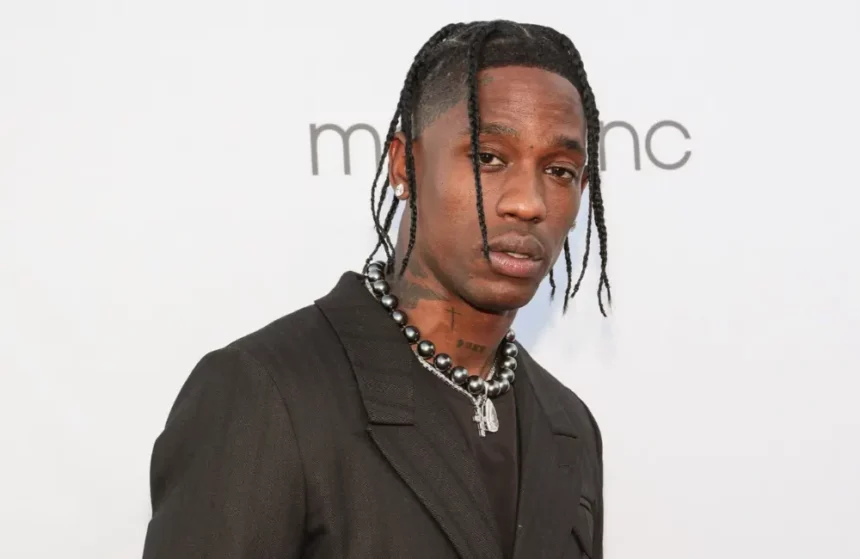
Travis Scott’s legal team filed an independent brief with the Supreme Court arguing that the introduction of rap lyrics in the sentencing phase of Broadnax’s trial was a direct violation of the First Amendment. The filing contends that prosecutors used the lyrics not as factual evidence of wrongdoing but as a way to paint a picture of Broadnax as inherently dangerous based entirely on his participation in a genre of music. That kind of argument, the brief asserts, constitutes a content-based penalty on a protected form of artistic expression and cannot be squared with constitutional guarantees of free speech.
The brief goes further, arguing that rap music as a genre carries a particular vulnerability to this kind of misuse because of its historical and cultural association with minority artists. When courts allow prosecutors to weaponize rap lyrics as evidence of criminal character, the filing argues, they are effectively subjecting an entire art form and the communities most closely tied to it to a standard of scrutiny that no other genre of music faces.
Scott’s attorneys described the case as one that implicates fundamental constitutional rights and called for the Supreme Court to draw clear boundaries around the use of protected artistic expression as evidence of criminal propensity.
A broader coalition of voices
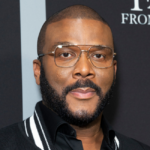
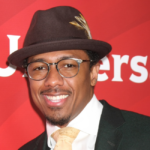
A separate brief was filed on behalf of a coalition that includes Killer Mike, T.I., Young Thug, Fat Joe and other artists, music scholars and arts organizations. That filing advances a complementary but distinct argument, asserting that rap lyrics are fiction by convention and should be understood as such. The genre has long trafficked in exaggerated narratives of violence, wealth and confrontation as a recognized artistic form, and interpreting those narratives as literal autobiography fundamentally misunderstands how the music works.
The coalition’s brief argues that Broadnax’s lyrics were irrelevant to the question of his guilt or innocence and were introduced at sentencing for a narrower and more damaging purpose, to inflame racial bias and make a Black man seem more threatening than the actual evidence of his actions warranted. The filing describes the case as a clear example of how anti-rap bias and anti-Black bias can operate together within a criminal proceeding, compounding each other in ways that distort the outcome.
Attorneys involved in the coalition filing characterized the Supreme Court’s potential review as a historic opportunity to settle the question of whether rap music can be treated as evidence of criminal character, a question that has surfaced in courts across the country for decades.
What Texas argues
Lawyers representing the state of Texas have pushed back on the substance of the challenge, arguing that Broadnax’s attorneys raised their objections too late in the legal process and that the lyrics in question represented only a minor portion of the overall sentencing argument. The state has not conceded any wrongdoing in how the case was prosecuted.
Both briefs are asking the Supreme Court to grant review of the lower court’s decision, which would allow the justices to set a binding national standard on how rap lyrics may be used in criminal proceedings. The outcome could have significant implications for cases across the country where prosecutors have relied on similar tactics.
A question of art and justice
The case has put a sharp focus on a debate that has been building quietly in legal and academic circles for years. Dozens of researchers and scholars have documented how rap lyrics are treated differently than the violent or transgressive content found in other musical genres, and how that differential treatment falls disproportionately on Black defendants.
Killer Mike, one of the most outspoken voices in the coalition, has made the point plainly in public statements that art is not confession and that treating creative expression as evidence of criminal intent sets a precedent with consequences that extend far beyond any single case. With an execution date approaching and the Supreme Court now in possession of these arguments, the stakes could hardly be higher.