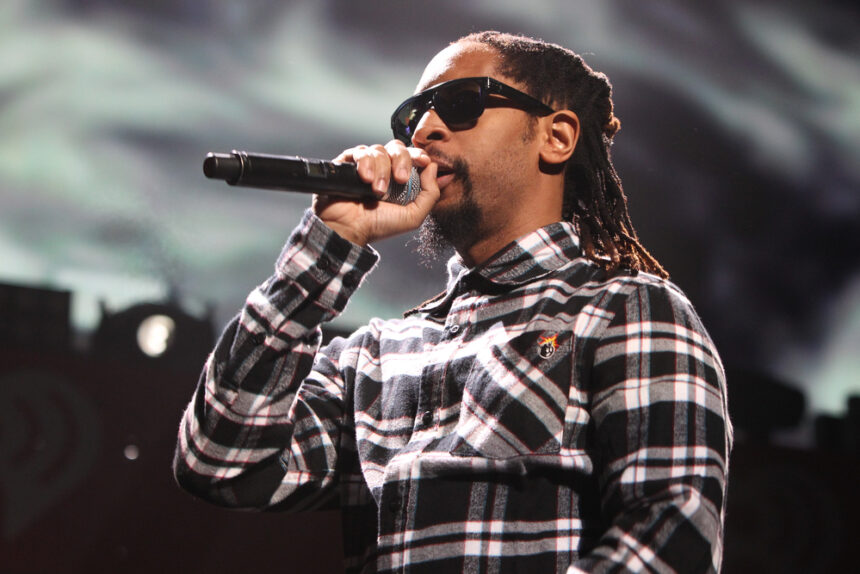
The music world is mourning alongside one of its most recognizable voices. Lil Jon, the Grammy-winning artist who helped define an era of hip-hop with the crunk movement, is now navigating the most painful chapter of his life — the death of his son, Nathan Smith, at just 27 years old.
The Fulton County Medical Examiner’s Office in Georgia has confirmed the cause of death as accidental drowning, with psilocybin identified as a contributing factor. The ruling has brought some measure of clarity to a tragedy that gripped both the music community and the public for weeks.
How Nathan Smith’s Final Days Unfolded
The events leading to Nathan’s death began on February 3, 2026, when he left the family’s home in Milton, Georgia, on foot. Authorities described him at the time as disoriented and in need of assistance. Search teams spent several days combing nearby neighborhoods and wooded areas before divers from the Cherokee County Fire Department recovered his body from a water retention pond near Mayfield Park on February 6.
The autopsy, completed on February 27, 2026, confirmed drowning as the primary cause of death. Examiners also observed water-immersion wrinkling on Nathan’s hands, a physical detail consistent with submersion. Authorities found no signs of foul play at any point during the investigation.
Lil Jon and the Role of Psilocybin
The medical examiner’s report identified psilocybin — a hallucinogenic compound found in certain mushrooms — as present in Nathan’s system at the time of his death. The substance can cause hallucinations, disorientation, and impaired judgment, all of which can dramatically elevate risk in outdoor settings, particularly near water. Lil Jon has publicly emphasized safety and awareness regarding substance use, though rarely commenting on personal family tragedies.
The findings positioned psilocybin as a contributing factor rather than the sole cause, with the official manner of death ruled as an accident. Still, the detail has prompted broader conversation about the risks of hallucinogenic substances, especially in unsupervised environments. Experts note that even small doses can unpredictably affect young adults, a fact that Lil Jon has acknowledged in interviews about mental health and responsible choices.
A Father’s Grief and a Family’s Farewell
Lil Jon, born Jonathan Smith, largely stayed out of the public eye in the immediate aftermath of his son’s death. Following Nathan’s funeral on February 18, he shared a deeply personal tribute, conveying that Nathan was loved completely and that life would never feel the same without him. He also drew on his faith, asking for strength in a message that resonated far beyond his own circle.
The response from the music community was immediate and overwhelming. Fellow artists and fans flooded social media with condolences, prayers, and personal memories — a testament to the reach and warmth that Lil Jon has cultivated throughout his career.
Remembering Nathan Smith as DJ Young Slade
To those who knew him best, Nathan Smith was more than a famous father’s son. He was DJ Young Slade — a creative, passionate presence in local music circles quietly building his own artistic identity. Friends described him as committed to his craft, following in his father Lil Jon’s musical footsteps while carving out his own lane. Lil Jon often spoke with pride about Nathan’s dedication, highlighting the bond between father and son.
His profile may have been lower than his father’s, but his impact on those around him was no less real. The memories shared by friends and family in the days following his death painted a picture of someone who brought genuine joy to the people in his life.
Nathan Smith‘s story is ultimately one of a young life full of creative promise, cut far too short. As his family grieves and the music world pays its respects, his legacy as DJ Young Slade endures in the community he loved.