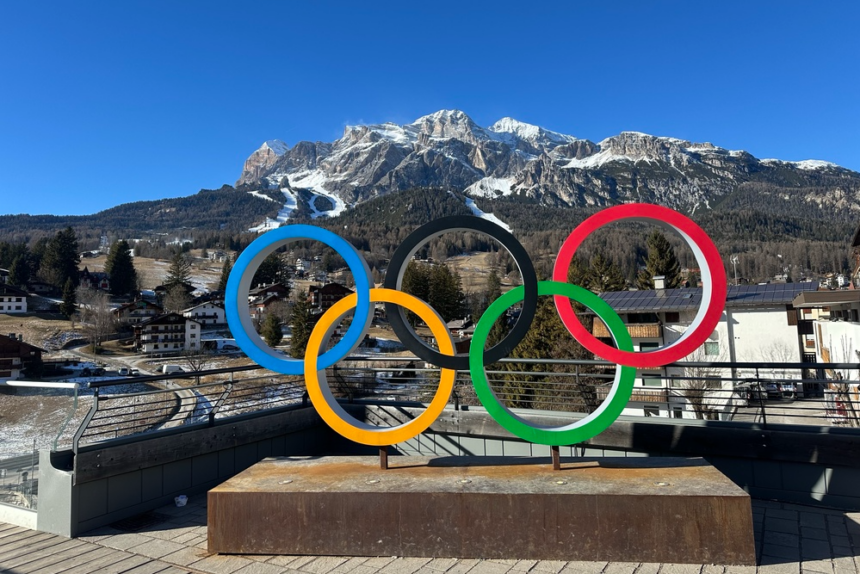
The French Alps are getting their moment back. After a selection process riddled with financial anxiety, political turbulence, and a shrinking list of willing hosts, the International Olympic Committee handed France the rights to stage the 2030 Winter Olympics — a decision that feels equal parts historic and necessary.
The last time France hosted the Winter Games was 1992, when Albertville welcomed the world to the same Alpine region now preparing for another turn on the global stage. Before that, Grenoble did it in 1968. Few countries carry that kind of winter sports hosting pedigree, and it showed when the IOC ran out of better options and turned to a nation that at least knew what it was getting into.
Why the Olympics Almost Slipped Away From France
The road to confirmation was anything but smooth. France’s political instability raised serious red flags for IOC officials who needed firm financial guarantees before committing. Shifting administrations bring shifting priorities, and the IOC has been burned before by host cities that promised the world and delivered chaos. The selection dragged on far longer than a typical bid cycle — not because France was an irresistible choice, but because credible alternatives had essentially vanished.
The broader problem facing the Winter Olympics is existential. Hosting these Games costs billions, and in functioning democracies, voters have grown openly hostile to the idea of public funds disappearing into sporting infrastructure. Cities that once competed aggressively for the honor now pass without a second thought. The IOC’s uncomfortable reality is that the nations most willing to absorb those costs without public pushback tend to be authoritarian ones — a dynamic that sits uneasily with the Olympic movement’s stated values.
France got the Games partly because it promised something different.
How France Plans to Pull Off the 2030 Olympics
The French bid is built around one core principle: use what already exists. Rather than constructing gleaming new stadiums and arenas that will sit empty within a decade, France’s plan leans heavily on venues already serving the Alpine region’s thriving ski tourism industry. Resorts that welcome recreational skiers every winter will host competitive events with temporary modifications. Ice sports will be held in rinks already serving local hockey leagues and figure skating clubs — facilities with real community purpose beyond a two-week competition window.
This distributed model spreads events across multiple Alpine communities rather than funneling everything through a single host city. It is a logistical puzzle — moving athletes, media, and tens of thousands of spectators between mountain venues demands meticulous planning and reliable road conditions. A bad weather week could turn the schedule into a nightmare. But the tradeoff is a Games that does not leave its host region financially scarred for a generation.
The IOC has been pushing this sustainable hosting philosophy for years. France is now its most high-profile test case.
Olympics Face a Bigger Crisis Than One Host City
The 2030 Winter Olympics land at a genuinely precarious moment for winter sports on the global stage. Climate change is no longer a distant threat to Alpine venues — it is an active one. Snow reliability has deteriorated across traditional mountain regions, and future Games may require artificial snow production at a scale that directly contradicts the sustainability messaging the IOC is trying to build its modern identity around.
If France pulls this off cleanly — delivering quality competition without financial disaster or environmental embarrassment — the distributed model becomes a blueprint other hesitant nations might actually follow. More bids mean more competition, better choices, and a healthier long-term future for the event. If it goes sideways, the IOC faces a contracting universe of willing partners and increasingly difficult conversations about whether the Winter Games can survive in their current form.
France has done this before. The institutional memory from Albertville, now more than three decades old, gives organizers a foundation that first-time hosts simply do not have. The mountain infrastructure is real, the expertise exists, and the culture around winter sports runs deep in the southeastern Alps. None of that guarantees success, but it makes France a more credible steward of the Olympic flame than most alternatives the IOC had left on the table.
The Alps are ready. Whether the Olympics are ready for what comes next is a different question entirely.