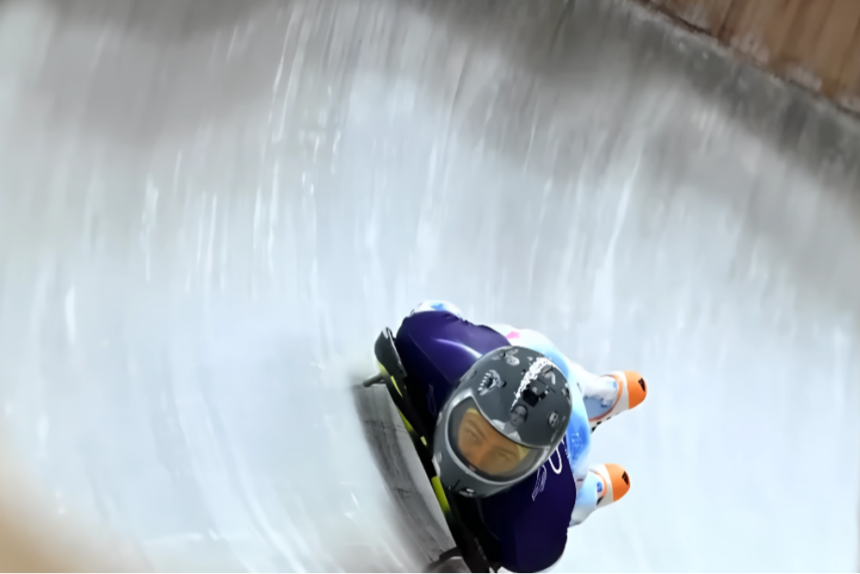
The International Olympic Committee has ruled that Ukrainian skeleton athlete Vladyslav Heraskevych may wear a black armband during competition at the Milan Cortina Games but cannot compete wearing his specially painted helmet honoring Ukrainian athletes killed in the war with Russia. The decision has sparked fresh debate about athlete expression and Rule 50 restrictions at the Winter Olympics.
Heraskevych, who finished fourth at last year’s world championships and stands as a medal contender, designed a helmet featuring the faces of several Ukrainian athletes who lost their lives since Russia’s 2022 invasion. The personalized tribute includes figure skater Dmytro Sharpar, a former Youth Olympic Games teammate, boxer Pavlo Ishchenko, hockey player Oleksiy Loginov and others who died either on the front lines or while delivering humanitarian aid.
Olympic Officials Cite Political Statement Rules
IOC spokesman Mark Adams described the armband allowance as a compassionate compromise, acknowledging Heraskevych’s desire to honor his fallen countrymen while maintaining the organization’s stance on political demonstrations. The decision references Rule 50 of the Olympic Charter, which prohibits any political, religious or racial propaganda at Olympic sites and venues.
Adams emphasized that the armband exception remains specific to Heraskevych’s circumstances and cannot include text. The IOC has historically banned armbands but reconsidered given the gravity of the situation facing Ukrainian athletes. Officials stressed this does not establish precedent for all competitors seeking similar expressions.
Athlete Pushes Back Against Restrictions
Heraskevych wore the tribute helmet during his first training run Tuesday at Cortina d’Ampezzo, suggesting Ukraine filed an appeal challenging the restriction. The IOC letter to the Ukrainian Olympic Committee specified Heraskevych cannot compete in the personalized helmet but did not clarify whether training runs fall under the same prohibition.
The skeleton racer expressed confusion over the ruling, arguing his helmet tribute honors members of the Olympic family rather than making a political statement. Heraskevych questioned why Russian flags appeared in stands at various events despite official bans, while his memorial to deceased athletes faces censorship.
Presidential Support and Historical Context
Ukrainian President Volodymyr Zelenskyy publicly backed Heraskevych through an Instagram post, thanking the athlete for reminding the world of Ukraine’s ongoing struggle. The presidential endorsement underscores how Heraskevych’s case extends beyond sports into broader geopolitical tensions affecting the Games.
He served as flag-bearer for Ukraine during the opening ceremony last week, a symbolic role given added weight by his activism. At the 2022 Beijing Olympics, he displayed a sign opposing the war in Ukraine after his final run. Days later, Russia invaded, transforming his protest into prophecy as the conflict continues four years later.
Competition Ahead Despite Controversy
The Ukrainian slider has additional training runs scheduled for Wednesday before competing in the men’s skeleton race Thursday. His performance will be closely watched not only for athletic achievement but also for how he navigates the IOC’s restrictions, raising questions about the limits of athlete expression. Whether Heraskevych wears the black armband during competition remains uncertain, as he did not appear to wear one during Tuesday’s training.
Adams said the IOC will not prevent Heraskevych from expressing himself through press conferences, mixed zone interviews or social media platforms. The organization’s position attempts to balance athlete voice with maintaining what it considers politically neutral competition spaces, though critics argue the distinction between memorial and political statement remains murky.
The controversy highlights ongoing tensions between athlete activism and Olympic governance, particularly as global conflicts intersect with international sporting events. For Heraskevych, the helmet represents more than personal expression—it memorializes teammates and compatriots whose Olympic dreams ended not in defeat but in death, making the fight for recognition deeply personal as he prepares to compete for Ukraine on the world’s biggest winter sports stage.
Source: Associated Press