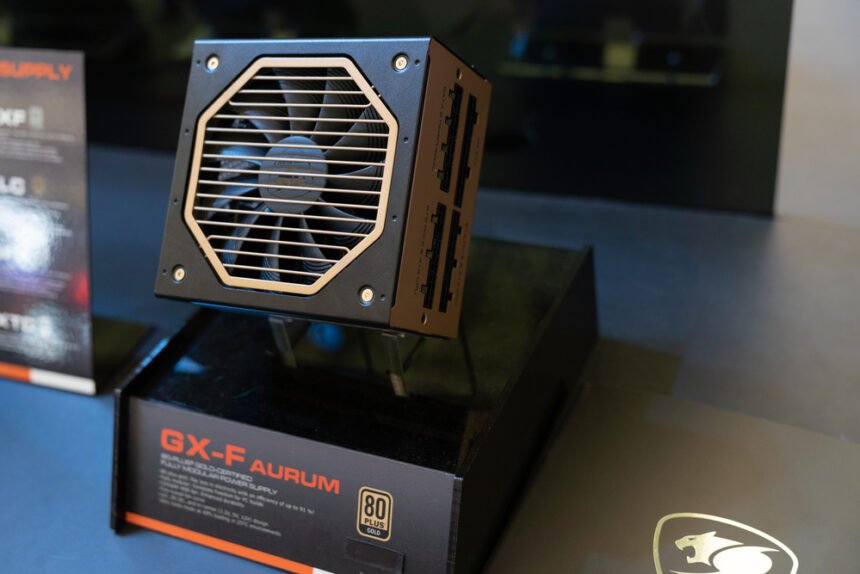
Power supply reliability has become increasingly critical as the artificial intelligence boom triggers an unprecedented RAM shortage that tech experts are calling the RAMpocalypse. Memory prices have skyrocketed beyond reason, dragging graphics cards, complete desktop systems, and laptop prices into dangerous territory. For millions of users running older computers, the strategy has shifted from upgrading to survival mode. These aging systems must now operate for several more years until component costs stabilize and new builds become economically feasible again.
Modern computers appear deceptively immortal. Solid-state components dominate today’s builds, creating an illusion of permanence. When problems do emerge, they often seem minor and manageable. A rattling case fan costs little to replace. A closed-loop CPU cooler making gurgling sounds from depleted coolant levels requires minimal investment to swap out. These small maintenance tasks feel routine and harmless.
The Silent Killer Inside Your Case
Hidden dangers lurk where users least expect them. Power supply units contain capacitors and internal components that deteriorate gradually over months and years of operation. This degradation happens invisibly, without warning signs or performance alerts. The electrical current quality slowly degrades as these internal parts wear down. Unlike a noisy fan that announces its failing health, a dying PSU operates in complete silence until catastrophic failure strikes without mercy.
The danger multiplies because power supplies connect directly to every component inside a computer. Motherboards, processors, memory modules, storage drives, and graphics cards all receive power through this single critical junction point. When a PSU fails violently, it can destroy multiple connected components simultaneously. Other failing parts typically damage only themselves, but power supplies present cascading failure risks that can obliterate entire systems in microseconds.
A Cautionary Tale From the Trenches
Real-world disasters illustrate these dangers better than theoretical warnings. Eight years ago, a custom workstation build featured premium components including a Ryzen Threadripper 1950X processor, an expensive X399 motherboard, a Radeon RX Vega 56 graphics card, and 32GB of DDR4 memory. An 850-watt power supply with 80 Plus Gold certification and a decade-long warranty powered everything. The manufacturer reputation was solid, the specifications were robust, and the warranty coverage seemed ironclad.
That system performed flawlessly for years, handling demanding workloads without complaints. Then disaster struck suddenly. The owner reported a strange noise from the PSU followed by complete system death. No warning lights flickered, no gradual performance degradation occurred, no helpful error messages appeared. The computer simply stopped functioning entirely. A surge protector and uninterruptible power supply had protected the system from external electrical problems. No storms had passed through the area recently. The failure emerged from internal PSU degradation alone.
The troubleshooting process began with cautious optimism. Swapping in a replacement power supply seemed like it should solve everything. Unfortunately, the motherboard exhibited severe problems immediately. RGB lighting activated slowly and dimly when connected to power. An alarming electronic ticking sound emanated from the board, a noise never heard in decades of computer building experience. Pressing the power button caused everything to blink off instantly.
Counting the True Cost of Failure
Determining which components survived required extensive testing and troubleshooting across multiple sessions. Did the RAM modules escape unharmed or had they absorbed damaging voltage spikes? Was the processor still functional or had it been fried alongside the motherboard? Had the graphics card survived the electrical chaos? Each component needed individual verification, a time-consuming and nerve-wracking process.
The final damage assessment revealed weeks of system downtime and hundreds of dollars in replacement parts. The manufacturer warranty covered the failed PSU itself, providing a free replacement unit. However, warranty protection explicitly excluded downstream components damaged by PSU failures. The owner received a new power supply but still faced massive expenses replacing the destroyed motherboard and other damaged parts. A single component failure created a financial disaster during the worst possible time for hardware purchases.
Prevention Beats Expensive Repairs
Systems younger than two years old rarely experience catastrophic PSU failures. However, computers running for five years or longer enter dangerous territory, especially if they rely on power supplies carried forward from older builds. Running systems under sustained heavy loads accelerates internal component degradation. Operating computers in hot environments without adequate cooling compounds the problem. Age alone creates risk, but usage patterns and environmental conditions multiply danger levels significantly.
Users considering processor upgrades face additional concerns worth addressing. Installing power-hungry Core i9, Ultra 9, or Ryzen 9 processors into older motherboards stresses aging power supplies beyond original design limits. A preemptive PSU replacement provides immediate peace of mind and future flexibility. When component prices eventually normalize, that newer power supply transfers seamlessly into the next build, extending its useful life and value.
Graphics card upgrades present similar considerations with added complications. Modern high-end cards like the RTX 4070, RTX 5070, and newer models require specialized power connections. Newer PSUs include native 12V-2×6 cables that eliminate bulky adapters and simplify cable management. Planning a graphics upgrade means planning a PSU upgrade simultaneously for optimal results and minimal frustration.
Affordable Insurance for Expensive Hardware
The current market makes proactive PSU replacement surprisingly affordable despite broader component price inflation. High-quality 850-watt units with 80 Plus Gold efficiency ratings cost between 115 and 130 dollars. That power capacity handles virtually any single-GPU gaming or workstation build comfortably. Budget-conscious buyers can find well-reviewed 850-watt options from manufacturers like Montech and ASRock for approximately 90 dollars, while users needing additional power headroom will find 1000-watt versions available for only slightly more.
Selecting the right power supply involves balancing wattage requirements, efficiency ratings, and form factor compatibility. Research current recommendations across different power levels and case sizes before making purchase decisions. Regardless of which specific unit you choose, the psychological benefits arrive immediately. Knowing you have reset the failure clock on this critical power component provides genuine peace of mind during uncertain times and protects against sudden system downtime.
Source: Tom’s Hardware