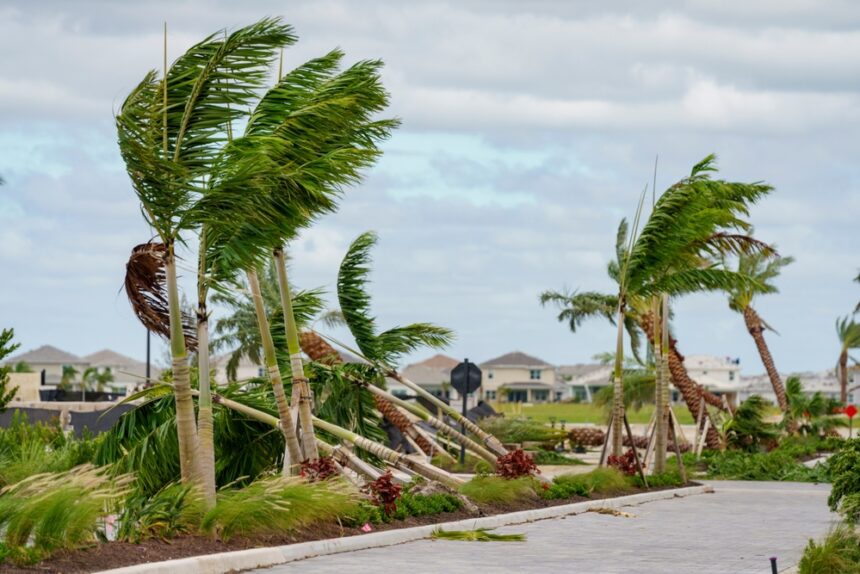
Hawaii Governor Josh Green signed a statewide emergency proclamation Wednesday to accelerate preparations for three named hurricanes approaching the Pacific and any additional storms that may threaten the state, with the order covering all islands and arriving as communities continue recovering from Hurricane Lala, which struck in mid-August.
The proclamation covers Hurricanes Lowell, Karina and Marie. It allows state and county agencies to move people, equipment and money more quickly, activates Hawaii National Guard members and authorizes them to assist civilian authorities with disaster relief, and activates the Major Disaster Fund while removing the usual $10 million cap on spending for a single emergency. State agencies are required to supply personnel, materials, equipment and facilities under the order.
Green said in a statement that the state is still recovering from Lala and is not waiting for another storm to get close before preparing. He said the proclamation gives agencies and counties the flexibility to move people, equipment and resources quickly to protect communities across every island and encouraged residents to remain prepared and follow official weather updates.
The Lala context
Hurricane Lala caused significant disruption across the Hawaiian Islands in mid-August. Communities are still in recovery when three additional named systems are now being tracked in the Pacific. The emergency proclamation is designed in part to ensure that the state’s disaster response infrastructure is not stretched thin by managing Lala’s aftermath while simultaneously preparing for the approaching storms.
The removal of the $10 million cap on Major Disaster Fund spending is a significant provision. State emergency spending under normal circumstances is constrained by that threshold per event. Removing it allows authorities to commit whatever financial resources are necessary without returning for additional legislative authorization during an active emergency.
What residents should do
Hawaii emergency management officials advise residents to maintain emergency supplies including at least two weeks of food and water, to know their evacuation zones and routes, and to have a plan for where to go if an evacuation order is issued. The Hawaii emergency alert system and the National Weather Service Pacific Tsunami Warning Center are the primary sources for official updates on storm track and timing.
For Hawaii residents still dealing with Lala-related damage or displacement, the proclamation’s authorization for accelerated agency coordination means additional resources can be directed to those communities without waiting for the normal procurement and authorization processes.
The central Pacific hurricane season typically peaks between August and October. The coincidence of three named systems at once, combined with an already-active recovery effort from Lala, makes the proclamation’s broad authorization particularly significant.