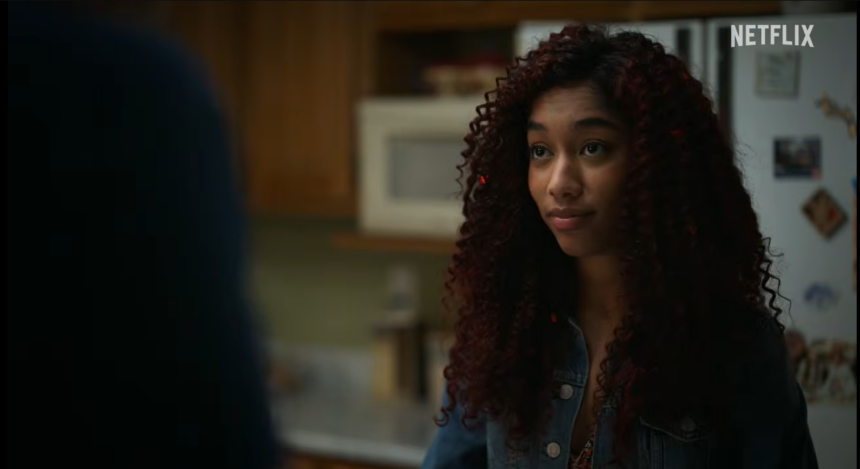
Horror filmmaker Mike Flanagan has built a career on blending scares with genuine heart, and his Netflix series The Midnight Club may be his most emotionally layered project to date. The 10 episode drama follows a group of terminally ill teens living in a hospice and explores mortality, friendship and resilience alongside its supernatural elements.
Based on YA horror author Christopher Pike’s 1994 novel of the same name, the series pulls from several of Pike’s other works to build out its world. Flanagan, known for projects including The Haunting of Hill House and Midnight Mass, uses the format to examine how people process fear and loss, rather than relying purely on scares for shock value.
A nightly ritual becomes a lifeline
At the center of the show is Brightcliffe Home, a hospice where residents gather each night to tell scary stories. The ritual functions as both entertainment and therapy, giving the characters a way to confront what they’re facing without talking about it directly. It’s a structure that lets the series shift between horror subgenres from episode to episode while keeping its emotional core intact.
Ilonka’s search for a cure
The story follows Ilonka, played by Iman Benson, a teen recently diagnosed with thyroid cancer who moves to Brightcliffe after learning of a former resident who mysteriously recovered decades earlier. Her investigation into the property’s past leads her to uncover a cult that once believed the land held healing properties, setting the series central mystery in motion.
An ensemble grappling with mortality
Beyond Ilonka, the show features a wide ensemble of young characters, each confronting terminal illness in distinct ways. Their nightly stories, ranging from witches bargaining with fate to time travelers witnessing nuclear war, double as windows into what each character fears most and how they want to be remembered.
The series doesn’t shy away from difficult subjects
Though classified as YA programming, The Midnight Club addresses heavier material, including self harm, substance use and homophobia. Those threads are woven into the characters shared stories rather than presented as standalone lessons, giving the show a rawer edge than its premise might suggest.
A death that changes everything
Roughly midway through the season, the show delivers one of its most difficult moments: the death of a core character. The event is handled without sentimentality, underscoring one of the series central ideas, that death can arrive suddenly and without explanation, regardless of how much a person has left to say or do.
Loss paired with a call to live fully
Even as the series confronts death directly, it consistently returns to the value of connection. The bonds formed among the residents of Brightcliffe become the show’s emotional anchor, reinforcing the idea that meaning comes not from avoiding mortality but from how people choose to spend the time they have.
Canceled after one season
Despite strong reviews, Netflix canceled The Midnight Club after a single season, leaving several storylines unresolved. Flanagan later addressed the decision in a blog post, offering fans insight into where the story might have gone had it continued. The unfinished narrative has since taken on its own symbolism among fans, echoing the show’s larger theme that not every story gets the ending it deserves.
A lasting impression despite its short run
Even with just one season, The Midnight Club has carved out a devoted following. Its willingness to sit with grief rather than rush past it, paired with Flanagan’s signature mix of horror and heart, has made it a standout entry in his growing body of work. For viewers willing to take the emotional journey, the series offers a rare kind of horror story, one less concerned with jump scares than with what it means to keep living in the face of loss.
While a second season now appears unlikely, The Midnight Club remains available to stream in full, offering newcomers the chance to experience its blend of mystery, grief and connection from start to finish.