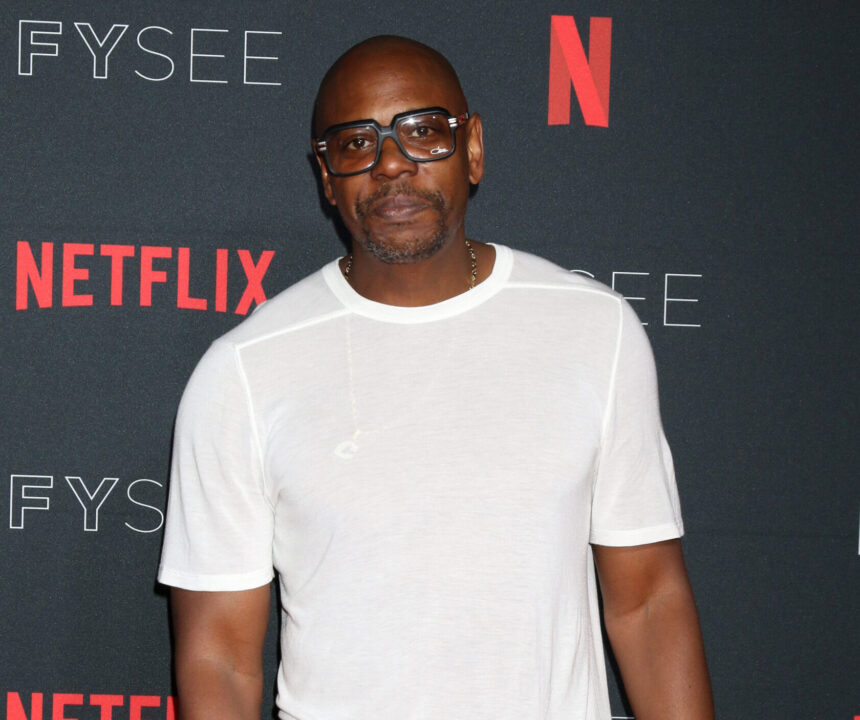
Dave Chappelle is not backing down. The five-time Emmy-winning comedian, who headlined three nights at the Hollywood Palladium this week as part of a high-profile festival run, is once again addressing the years of criticism that have followed him since his stand-up work began drawing fierce public debate.
In a recent podcast appearance, Chappelle opened up about how he believes the media coverage of his controversial material fundamentally misrepresented what he was doing on stage. His central argument is that jokes stripped from their live context lose something essential, and that the public debate that followed never truly reflected what was happening inside the comedy club.
He described the criticism as something that never felt like a direct conflict with any particular community but rather a collision between corporate interests and culture working itself out in real time. In his view, many of those who were loudest in their opposition were observing from the outside, commenting on an experience they were not actually part of.
What Chappelle says critics missed about the Chappelle stand-up world
Chappelle made the case that comedy clubs are among the most diverse spaces in entertainment. He pointed out that performers of every background, identity and perspective share the same stage, and that within that world, disagreement is processed through performance rather than suppression. The unspoken rule, as he described it, is that no one silences another comedian for the views they bring to the mic.
That dynamic, he argued, disappears entirely when a joke is pulled from its setting and reduced to text. A joke read in a newspaper, he suggested, is a completely different thing from a joke heard live in a room full of people who came specifically to be challenged and entertained. The intention behind a comedy show is unique, and that intention cannot survive a headline.
Chappelle and the Netflix specials that changed everything
The controversy Chappelle is addressing has been building for years. Since signing with Netflix in 2016, he has released eight stand-up specials on the platform. Four of them, Sticks and Stones, The Closer, The Dreamer and The Unstoppable, generated significant backlash for material that many viewers and advocacy groups described as harmful toward transgender people.
The Closer in particular sparked an internal debate at Netflix, protests outside the company’s offices and widespread calls for the special to be removed. Netflix declined to pull it, and Chappelle continued performing and releasing new work.
His latest defense does not walk back any of the material. Instead, it reframes the entire conversation around the nature of art and the conditions required to make it honestly. He argued that meaningful creative work, especially in comedy, requires the freedom to get things wrong. Without that margin, he suggested, the work stops being art and becomes something far safer and far less interesting.
Whether that argument lands will depend entirely on who is listening. For his most devoted fans, it reads as a long-overdue clarification. For his fiercest critics, it is likely to feel like more of the same. Chappelle, for his part, seems unbothered by which side wins that debate.