Stephen A. Smith has made it clear he is not giving the Boston Celtics, or Jaylen Brown, a pass for what unfolded in the 2026 NBA playoffs. The Celtics entered as Eastern Conference favorites. With Jayson Tatum back from an Achilles injury and Jaylen Brown playing at an MVP-candidate level, the expectation was that Boston would roll through a Philadelphia 76ers team missing Joel Embiid for the first three games of the series due to an appendectomy. For a while, that expectation held. The Celtics built a commanding 3-1 series lead and looked every bit the team capable of making a deep run.
Then came the collapse. Embiid returned in Game 4 and posted 26 points and 10 rebounds, though Boston still won that game convincingly, 128-96. What followed was one of the more stunning reversals in recent playoff memory. The Celtics dropped three straight games, including a Game 7 at home, sending the Sixers through to the next round and ending Boston’s season in the first round.
Brown goes to Twitch, Smith goes to work
Rather than offering a measured post-elimination response, Brown went live on Twitch the following day and directed his frustration at the referees, claiming there was an agenda working against him throughout the series. He also called out Embiid for excessive flopping. The comments spread quickly and drew near-universal criticism from analysts and fans who felt Brown was deflecting rather than reflecting.
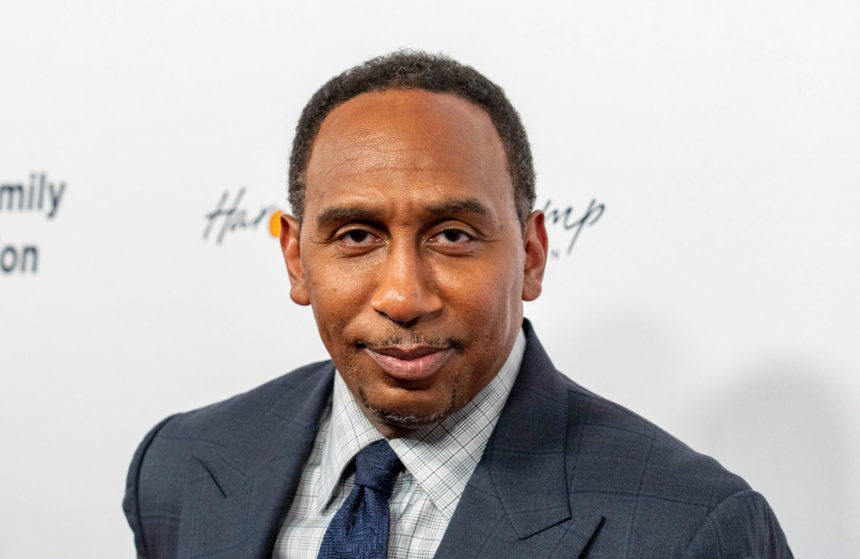
ESPN’s Stephen A. Smith addressed the situation on First Take, pointing out the contradiction at the heart of Brown’s complaints. Brown had said nothing about officiating or Embiid’s tactics when the Celtics were up 3-1 and in control. It was only after the loss that those grievances surfaced. Smith also challenged the idea that Embiid was the reason Boston lost, pointing instead to the Celtics’ own decision-making in the final minutes of Game 7.
With just over two minutes left and the Celtics trailing by one, Brown had the ball and passed to Payton Pritchard in the corner. Pritchard, one of the league’s most reliable three-point shooters, missed the shot. Brown later defended the decision as the right basketball play, arguing he would make that same pass ten times out of ten given who Pritchard is and what he had meant to the team all season.
The numbers tell the story
Whatever Brown’s reasoning, the final sequence of Game 7 told a brutal story on its own. Tyrese Maxey answered Pritchard’s miss with a layup on the other end. Brown then missed a mid-range pull-up over Maxey on the Celtics’ next possession. Maxey scored again to push the Sixers lead to five, and it was effectively over from there.
Boston missed 11 of its final 12 shots in the game and finished a dreadful 13 for 49 from three-point range. The Celtics also converted just 9 of their 16 free throw attempts, a statistic that undercuts any argument about a refereeing conspiracy. Philadelphia was awarded only three more free throws than Boston across the entire game.
Smith’s broader critique centered on a pattern the Celtics have leaned on all season, living and dying by the three-pointer and struggling to get to the basket when it matters most. That tendency, he argued, is a strategic vulnerability that no amount of referee complaints can explain away.
Whether or not Brown’s Twitch comments cost him goodwill inside the league or in Boston, the numbers from Game 7 make the situation plain. The Celtics had every opportunity to close out the series and did not. For a team with Brown’s contract, Tatum’s talent, and championship expectations, the exit was as painful as it was preventable.