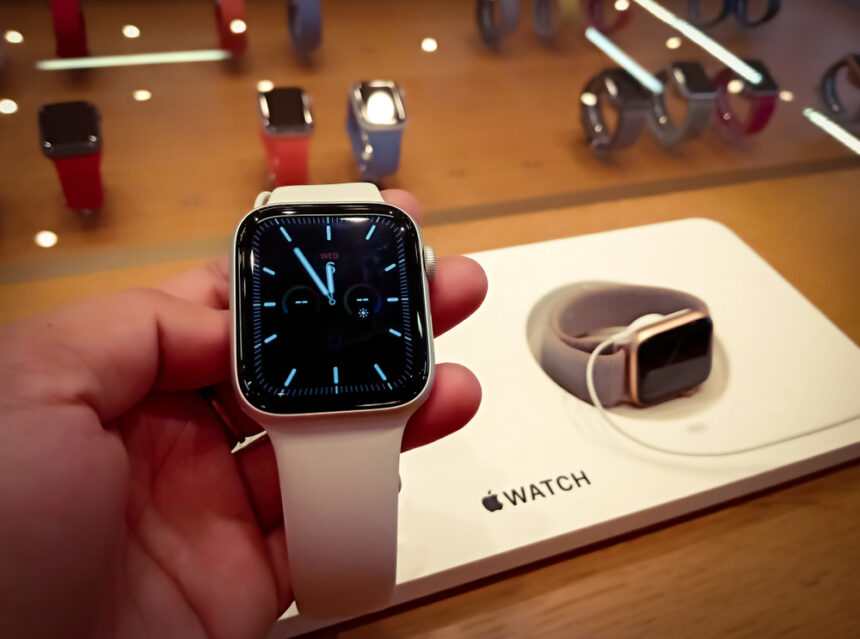
There is a moment, usually sometime in the first week of owning one, when the Apple Watch stops feeling like a gadget and starts feeling like something else entirely. Maybe it is the tap on the wrist when a text comes in during a workout, or the quiet notification that a heart rate reading looked irregular, or the seamless nudge reminding you to stand after an hour at a desk. Whatever the trigger, the shift is the same— the watch stops being an accessory and starts being infrastructure.
That evolution — from fashionable novelty to indispensable daily tool — is the real story of the Apple Watch. More than a decade after its debut, the device has outlasted skeptics, outpaced competitors, and quietly embedded itself into the daily lives of tens of millions of people worldwide. And with the current generation representing the most capable lineup Apple has ever released, there has never been a better or more relevant time to understand exactly what it can do.
Apple Watch Models Worth Knowing in 2026
The current Apple Watch family consists of three distinct models, each built for a different kind of user. Understanding the differences is the first step toward making the right choice
- Apple Watch Series 11 — The flagship model and the best choice for most people. It features a slimmer design, upgraded Ion-X glass that is twice as scratch-resistant as the Series 10, blood pressure monitoring, hypertension detection, 5G cellular support, and a 24-hour battery life with fast charging capability. Prices start at $399.
- Apple Watch Ultra 3 — Built for extreme conditions and endurance athletes. It delivers up to 42 hours of battery life, rugged titanium construction, and a sapphire crystal display. A 15-minute charge provides up to 8 hours of use — a genuine game-changer for anyone spending extended time away from an outlet.
- Apple Watch SE 3 — The entry-level option that punches well above its price point. It shares the S10 chip with pricier models, supports the always-on display, gesture controls, and the full watchOS 26 feature set. It lacks ECG and blood oxygen sensors, but for most first-time buyers, the gap is barely noticeable. Starting at $249.
Each model runs watchOS 26, which brings deeper health insights, smarter workout tracking, Sleep Score analysis, and Live Listen transcription that converts phone calls and messages into on-screen text in real time.
Health Features That Actually Change Behavior
The most compelling argument for the Apple Watch has never been its notification system or its app library. It is the health monitoring capabilities — and more specifically, the way those capabilities have matured into genuinely useful clinical tools.
The Series 11 and Ultra 3 now include blood pressure monitoring and hypertension detection, joining an already robust suite of sensors. Existing features that continue to set the Apple Watch apart from the competition include
- Electrocardiogram readings that can detect atrial fibrillation
- Blood oxygen tracking, now processed via the paired iPhone for improved accuracy
- Sleep apnea notifications introduced with the Series 10
- Fall detection and crash detection for emergency response
- Sleep Score analysis running on Series 6 and newer models via watchOS 26
- Continuous heart rate monitoring with irregular rhythm alerts
These are not gimmicks. They are features that have, in documented cases, flagged medical conditions before users were aware of any symptoms. For older users and those managing chronic conditions, the health monitoring alone justifies the cost of the device.
Why the Apple Watch Ecosystem Is Hard to Leave
Part of what makes the Apple Watch so effective is not any single feature — it is the depth of its integration with the broader Apple ecosystem. The watch works seamlessly with iPhone, iPad, and Mac in ways that no competing smartwatch has managed to replicate. Health data flows into the Health app automatically. Workouts sync without friction. Notifications are mirrored intelligently. Apple Pay works from the wrist without reaching for a phone.
WatchOS 26 pushes that integration further with smarter handoff between devices, more granular privacy controls for health data, and improved Siri responsiveness that makes the watch more useful as a standalone device in moments when a phone is not within reach. The result is a product that rewards commitment to the ecosystem — and makes leaving it feel genuinely costly.
The Apple Watch as a Style Statement
Beyond the specs and sensors, the Apple Watch has also matured into a legitimate fashion object. The current Series 11 is available in Jet Black, Silver, Rose Gold, and Space Gray in aluminum, with Natural, Gold, and Slate titanium options for buyers who want something more premium. Band options span everything from sport silicone to fine-woven fabric to stainless steel links — a wardrobe in miniature that lets the watch shift between gym and boardroom without missing a beat.
That versatility is part of why the Apple Watch has managed something rare in consumer electronics— it appeals equally to the quantified-self crowd, the fashion-conscious professional, the outdoors enthusiast, and the health-anxious parent buying a device for an aging family member. Very few products occupy all four of those spaces simultaneously.
The Apple Watch did not set out to become essential. It set out to be interesting. A decade later, it has quietly become both — and for a growing number of people, something closer to irreplaceable.