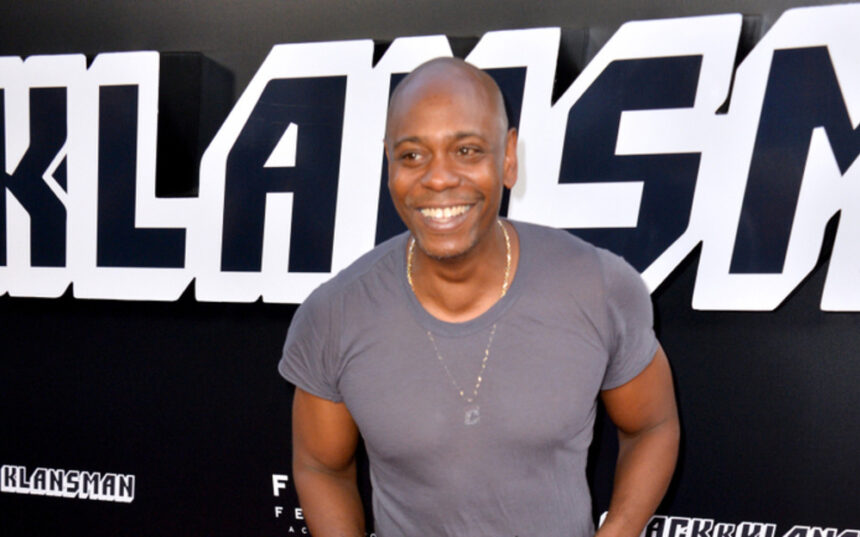
Dave Chappelle has spent years at the center of one of comedy’s most polarizing debates, and now he is weighing in on how that debate intersected with the 2024 presidential election. In a recent interview, the 52-year-old comedian said he believes the Republican Party leaned heavily on transgender humor during the campaign in a way that distorted and misappropriated the spirit of what he had been doing in his own work.
Chappelle was clear that his objection was not to comedy engaging with difficult or sensitive subjects. His objection was to the purpose behind it. In his view, what he does on stage comes from a place of observation and provocation that is fundamentally different from using those same subjects as a political instrument to mobilize voters. He described the Republican approach as a weaponized version of his material, one that stripped away the context and intention that he says defines his stand-up.
Chappelle and the controversy that follows him
The remarks arrive against a backdrop that has followed Chappelle through much of the past several years. His Netflix specials generated significant backlash from LGBTQ advocacy groups and portions of the public who argued that his jokes about transgender people caused real harm, particularly to a community already navigating a difficult cultural and political moment. Critics described his material as transphobic and called on the platform to remove the specials from its catalog.
Chappelle has consistently pushed back on that characterization. He has argued that his intent was not to demean or target transgender people but to explore the tension between free expression and social change, a tension he sees as essential to what comedy is supposed to do. He has not walked back the material, and he has not expressed regret about the direction his specials took.
Where his objection to Trump begins
What the interview makes clear is that Chappelle sees a meaningful distinction between himself and the way those jokes traveled into political territory. His frustration appears rooted in the sense that material he created within a specific comedic context was lifted out of that context and repurposed for an agenda he does not share. The difference, in his framing, is intent. Comedy, as he practices it, is meant to unsettle and provoke without a predetermined political destination. Using the same subject matter to score electoral points is, in his view, something categorically different.
Whether that distinction satisfies his critics is a separate question. Many of those who found his specials harmful would argue that the line between a comedian joking about transgender people and a politician doing the same is thinner than Chappelle suggests, and that the effect on the communities involved does not change based on the performer’s stated intent.
A complicated figure making a complicated argument
Chappelle has always occupied an unusual space in American comedy, admired for his willingness to go places other comedians avoid and criticized for where some of those places have taken him. His pushback against Trump and the Republican Party adds another layer to a public persona that resists easy categorization.
He is not defending himself from the left or aligning with the right. He is staking out a position that insists on the independence of his art from any political project, including the ones that borrowed from it most visibly. Whether audiences find that argument convincing likely depends on how they have been reading his work all along.