Dallas coach calls referees “terrible” and “unacceptable” over missed foul call on Cooper Flagg in 111-107 loss to Houston Rockets
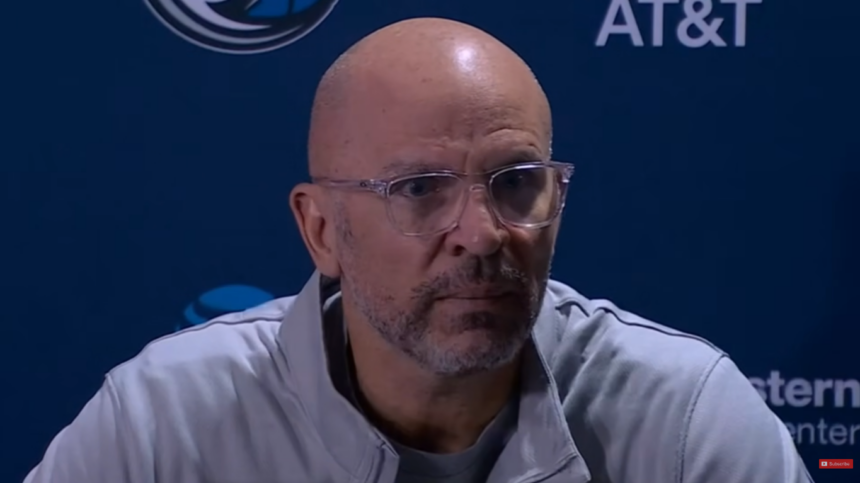
Jason Kidd has been fined $35,000. The Dallas Mavericks coach was penalized by the NBA on Monday for public criticism of officiating and using profane language during a postgame media interview following his team’s 111-107 loss to the Houston Rockets on Saturday. The fine represents the league’s way of enforcing its rules about what coaches can and cannot say about referees even when those coaches have legitimate grievances about missed calls.
Kidd’s comments came immediately after the game, when frustration was still fresh and the sting of defeat was immediate. The Mavericks had just lost to Houston in a close contest, and Kidd believed the officiating played a significant role in that outcome. His postgame media session became a detailed critique of the referees’ performance and a specific complaint about one particular missed call that could have changed the game’s trajectory.
“The referees did not do their job tonight,” Kidd said during the postgame interview. “They were terrible.”
Those four words “They were terrible” set the tone for what would become an expensive night for the Mavericks coach. Rather than accept the loss and move forward, Kidd doubled down on his criticism. He named specific referees. He detailed specific missed calls. He made his frustration unmistakably clear to everyone listening.
The call that sparked Kidd’s most vocal frustration involved rookie star Cooper Flagg. Flagg finished the game with 34 points but was unable to draw a foul late in the contest after missing what would have been a game-tying layup. In Kidd’s view and likely in the view of many watching the game Flagg was fouled on that play. The officials disagreed, or at least made the decision not to call it.
“I saw a foul,” Kidd said, identifying the three officials he believed failed in their duties. “[Officials] Sean Wright, Simone Jelks and Jason Goldenberg were awful tonight. The referees were unacceptable. It’s a foul, and he needs to be at the free throw line.”
There’s a directness to Kidd’s complaint that resonates with fans who have watched similar plays go uncalled. He’s not being vague. He’s not hedging his criticism. He’s stating clearly that he saw a foul, that the officials missed it, and that the miss was unacceptable. He’s naming the specific officials responsible. He’s calling them “awful” and the officiating “unacceptable.”
When Coaches Speak Truth and Face Consequences
The fine represents the NBA’s enforcement of its rules regarding public criticism of officiating. The league has long maintained that coaches, players, and organizations shouldn’t publicly criticize refs, even when those refs make mistakes. The reasoning is that such criticism undermines the authority of the officials and could encourage players to challenge calls more aggressively if they see coaches getting away with it.
But there’s a tension built into this system. Coaches are hired to win games. They see plays in real time. They have experienced eyes that understand what should and shouldn’t be called at the highest level. When those coaches see what they believe are clear missed calls especially missed calls that affect the outcome of games the expectation that they remain silent feels unrealistic.
Kidd’s complaint about Flagg not drawing a foul is the kind of specific, observable claim that seems worth making public. He’s not attacking the referees’ character. He’s not suggesting bias or corruption. He’s simply stating that in his professional opinion, a foul occurred and should have been called. That’s the kind of feedback that could help officiating improve.
Instead, the league fined him $35,000.
The question is whether that fine actually accomplishes what the NBA intends. Does it deter coaches from speaking out? Probably to some degree the financial penalty is significant. Does it silence legitimate complaints about missed calls? Yes, and that seems counterproductive to the league’s stated goal of improving officiating.
Kidd’s fine will likely prompt other coaches to be more careful about what they say in postgame media sessions. They’ll soften their language. They’ll avoid naming specific officials. They’ll couch their criticism in vaguer terms that technically don’t violate league rules.
But the underlying issue remains: sometimes officials miss calls, and the coaches who see those misses firsthand want to say so publicly. The NBA’s fine system prevents that conversation from happening openly, which may be the league’s intent, but it also prevents the kind of accountability that could drive officiating improvement.
For now, Kidd pays the fine. The message is sent. Coaches know the cost of speaking truth about officiating is measured in tens of thousands of dollars.