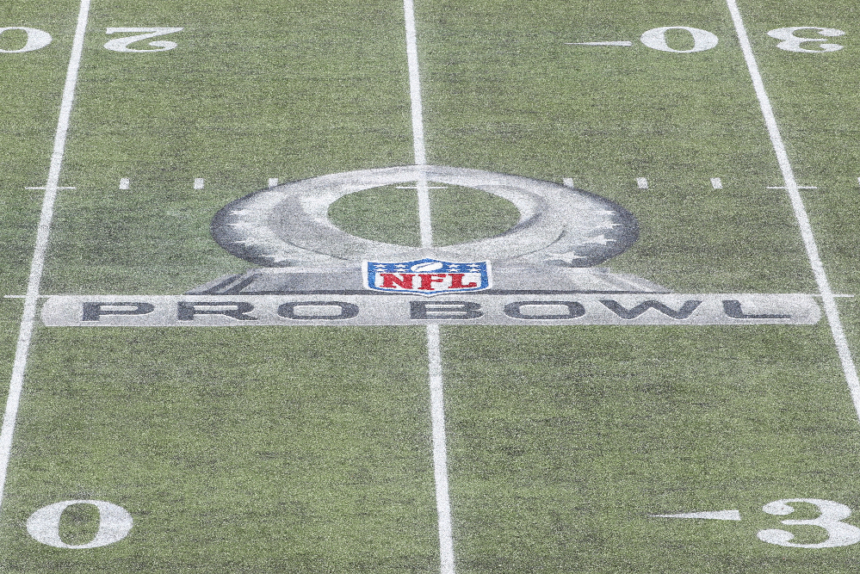
The Pro Bowl has undergone a dramatic transformation from its glory days as the NFL’s premier all-star celebration. What once served as the ultimate validation of a player’s season now faces mounting skepticism about its legitimacy and purpose in professional football’s evolving landscape.
Recent Hall of Fame voting controversies, including debates over coaching legend Bill Belichick’s exclusion from certain ballots, have momentarily overshadowed deeper questions about the Pro Bowl itself. Yet the annual showcase’s struggles persist beneath the surface, raising fundamental concerns about what the honor truly represents in 2026.
Selection Process Faces Growing Criticism
The path to Pro Bowl recognition has become increasingly convoluted. Today’s rosters feature fewer marquee names and more replacement players, fundamentally altering what it means to earn the distinction. League insiders have observed the shift away from merit-based selection toward a system that prioritizes availability over achievement.
Many top performers now decline invitations altogether, choosing rest and recovery over participation. This exodus of elite talent has transformed the game into something far removed from its original concept—a true gathering of the league’s finest athletes competing at the highest level.
Questionable Selections Undermine Credibility
Consider the curious case of rookie quarterback Shedeur Sanders. The Cleveland Browns signal-caller earned Pro Bowl status despite throwing seven touchdowns against ten interceptions throughout the season. His selection came only after MVP candidate Drake Maye withdrew to focus on Super Bowl preparations, highlighting how replacement selections have diluted the honor’s significance.
Sanders technically holds the Pro Bowl title, yet few observers would classify his debut campaign as worthy of all-star recognition under traditional standards. His inclusion exemplifies the broader challenge facing the event—maintaining prestige when the actual participants often represent second or third-tier choices rather than genuine top performers.
Multiple Factors Drive Declining Status
The erosion of Pro Bowl relevance stems from several interconnected developments. Extended regular seasons and expanded playoffs leave players exhausted by late January, making the exhibition feel like an unnecessary burden rather than a celebration. Health concerns outweigh the appeal of participation for many athletes who view the offseason as crucial recovery time.
Fan voting, introduced in 1995, shifted selection dynamics from pure performance evaluation toward popularity contests. Social media influence and large-market advantages now play outsized roles in determining rosters, sometimes overriding on-field accomplishments. The shift to flag football, while reducing injury risk, has further diminished competitive intensity and stripped away much of what made the game compelling viewing.
Pro Bowl Reform Remains Possible
Despite these considerable obstacles, pathways exist for revitalizing the showcase. The league could establish separate recognition systems—perhaps one event celebrating established veterans while another highlights emerging talent, similar to basketball’s multi-faceted All-Star Weekend approach.
Flag football’s inclusion in the 2028 Olympics presents opportunities to reimagine player recognition entirely. The NFL might leverage this global platform to create fresh formats that honor achievement without requiring traditional game participation. Restructuring voting procedures to restore influence among coaches and players themselves could help realign selections with actual performance rather than popularity metrics.
Crossroads for Football’s Midwinter Showcase
The Pro Bowl continues attracting viewers despite its diminished stature. Television audiences still tune in, suggesting entertainment value persists even as competitive legitimacy fades. Yet this viewership cannot obscure the fundamental question—does the event still meaningfully distinguish the league’s best performers, or has it become merely another televised exhibition with loosely defined standards?
League officials face difficult choices about the showcase’s direction. Maintaining current structures risks further erosion of credibility among players and serious fans. Yet radical changes carry their own risks, potentially alienating casual viewers who enjoy the spectacle regardless of participant quality or competitive intensity.
The NFL‘s challenge involves balancing multiple competing interests—player health and safety, fan entertainment expectations, sponsor commitments, and the integrity of player recognition itself. Finding equilibrium among these factors will determine whether the Pro Bowl evolves into something genuinely meaningful for modern football or continues its slide toward irrelevance.
Professional football’s all-star tradition stands at a pivotal moment. Without substantive innovation in format, selection, or presentation, the Pro Bowl may cement its reputation as a popularity exercise rather than legitimate athletic achievement. The league’s willingness to embrace bold changes will ultimately decide whether future generations of players view Pro Bowl selection as the honor it once was—or dismiss it as just another marketing event in an increasingly commercialized sport.