

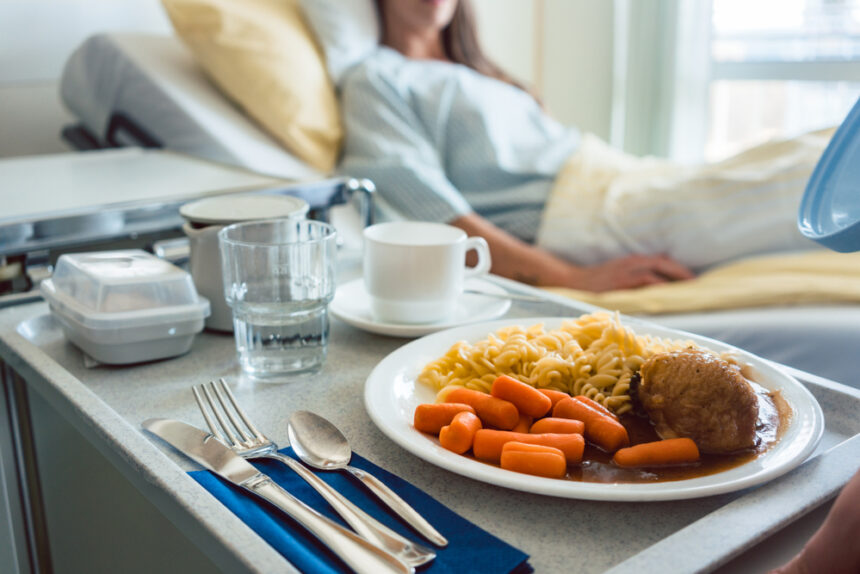
Fried foods and sugary drinks may soon be harder to find on hospital trays across the country.
More than 250 hospitals have signed a federal pledge to serve healthier hospital food, Health Secretary Robert F. Kennedy Jr. said Monday, Oct. 26, 2026.
What is the hospital food pledge?
The Make Hospital Food Healthier Pledge is a voluntary initiative launched in July by the Department of Health and Human Services and the Centers for Medicare and Medicaid Services. There are no penalties for hospitals that do not sign.
Hospitals that sign commit to limiting highly processed foods and sugary drinks, cutting back on processed meats and foods high in added sugar, sodium and artificial additives, and choosing baking, roasting or grilling instead of deep frying.
They also pledge to serve more whole grains, offer less processed protein options, including plant proteins, and align meals with the federal dietary guidelines.
Which hospitals signed the pledge?
The list includes several Cleveland Clinic facilities in Ohio, Houston Methodist Cypress Hospital in Texas and Sanford Medical Center Fargo in North Dakota. Tampa General Hospital in Florida was the first to sign in July. Health systems led by recent and incoming chairs of the American Hospital Association have also joined.
Corewell Health, a large health system in Michigan, also signed. Its chief executive said healthy food and nutrition are built into the organization, from its cafeterias to its programs.
She said it is a badge of honor when patients leave saying the hospital food was really good. While the system hopes patients stay out of the hospital, she said, it wants those who come to enjoy their meals, get healthier and continue that progress at home through its programs.
What did Robert F. Kennedy Jr. say?
Kennedy said hospitals have a responsibility to promote health in every part of patient care, including the food they serve. He called on every hospital in the country to sign the pledge and make healthy food a standard part of care. In announcing the pledge in July, he said patients recovering from serious illness deserve better than highly processed and fried junk food.
The pledge is part of his Make America Healthy Again agenda, which has also pushed food companies to phase out artificial dyes and medical schools to expand nutrition training. Supporters say the effort targets chronic diseases linked to poor diet, such as diabetes and heart disease.
Why does hospital food matter?
Patients recovering from illness or surgery often depend entirely on hospital food for days at a time. Nutrition experts say better meals can support healing and help patients build healthier habits after they leave.
Medicare already requires hospitals to meet each patient’s nutritional needs, and officials have said the pledge builds on those rules. Earlier this year, the agency reminded hospitals of those obligations and urged them to align menus with the latest dietary guidelines.
What are the challenges?
The pledge is voluntary, and the signers represent a small share of the roughly 6,000 hospitals in the United States. Officials have not said how they will track whether hospitals follow through.
Hospitals face tight budgets, food service staffing shortages and patients with complex dietary needs, which can make big menu changes difficult. Some experts have called the effort a step in the right direction while noting that lasting change requires money and training. Food service jobs in hospitals also see high turnover.
Dietitians will remain key, since hospital food must still be tailored to conditions such as diabetes or kidney disease.
As more hospitals weigh whether to sign on, hospital food could become a new measure of how seriously health systems take prevention.