Financial markets around the world moved decisively on June 15 in response to the agreement between the United States and Iran to end their military conflict and reopen the Strait of Hormuz, with oil prices falling sharply and stock markets across Asia, Europe, and the United States advancing as investors concluded that the risk of a prolonged energy crisis had meaningfully diminished.
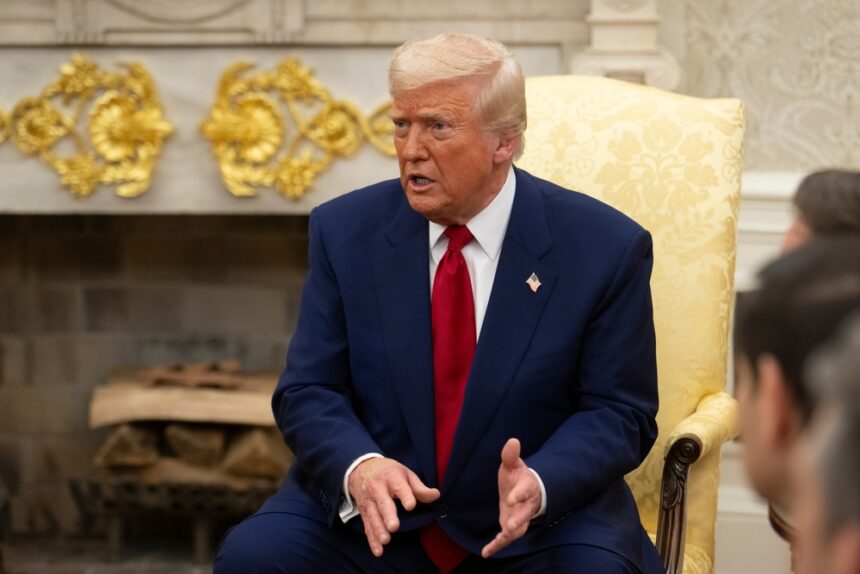
The ceasefire, announced on June 14, included a commitment from both sides to immediately and permanently end military operations across all fronts. President Trump confirmed that he had authorized the lifting of the United States naval blockade of Iranian ports as part of the deal, clearing the way for energy flows through the strait to resume. A formal signing ceremony is scheduled for June 19 in Switzerland.
Oil hits its lowest level since the conflict began
The most immediate and measurable market response came in the energy sector. Brent crude, the international oil price benchmark, fell by more than four dollars a barrel to settle at $83.05 on June 15. West Texas Intermediate, the American benchmark, dropped a similar amount to close at $80.33 a barrel. The declines pushed both benchmarks to their lowest levels since the opening days of the conflict, which began in late February, erasing weeks of war premium that had been built into energy prices as the standoff escalated.
The Strait of Hormuz sits at the center of global oil transit, with a significant share of the world’s daily crude supply passing through the narrow waterway between Iran and Oman. When Iran moved to block the strait as the conflict intensified, the disruption sent energy prices climbing and created ripple effects across shipping routes, freight costs, and energy-dependent industries worldwide. The announcement that the route would reopen was enough to reverse those gains within a single trading session.
Stocks advanced on every major exchange
Equity markets responded with equal enthusiasm. Investors across Asia, Europe, and the United States interpreted the ceasefire as a reduction in the geopolitical risk premium that had weighed on global equities throughout the period of active conflict. The prospect of stable energy supplies, reduced shipping disruptions, and a return to normal commerce through one of the world’s most critical maritime corridors translated directly into buying across multiple sectors.
The rally reflected a broader market judgment that the economic damage from an extended conflict in the Gulf had been contained. Energy companies, shipping firms, and industries sensitive to fuel costs all stood to benefit from lower oil prices and a reopened Strait of Hormuz, giving investors across sectors a reason to move back into risk assets.
What the market reaction reveals
The speed and scale of the market response on June 15 underscored how heavily the conflict had been weighing on investor sentiment since February. The war premium embedded in oil prices had not simply reflected current supply disruptions but had incorporated a significant risk that the conflict would deepen or spread further across the region. The ceasefire and the naval blockade lift removed that risk, at least provisionally, and markets priced the development immediately.
The formal signing ceremony in Switzerland on June 19 will represent the next milestone. Whether the market gains hold beyond that date will depend on how smoothly the agreement is implemented, whether the Strait of Hormuz reopens as described, and whether the broader regional de-escalation the deal envisions translates into stability on the ground.