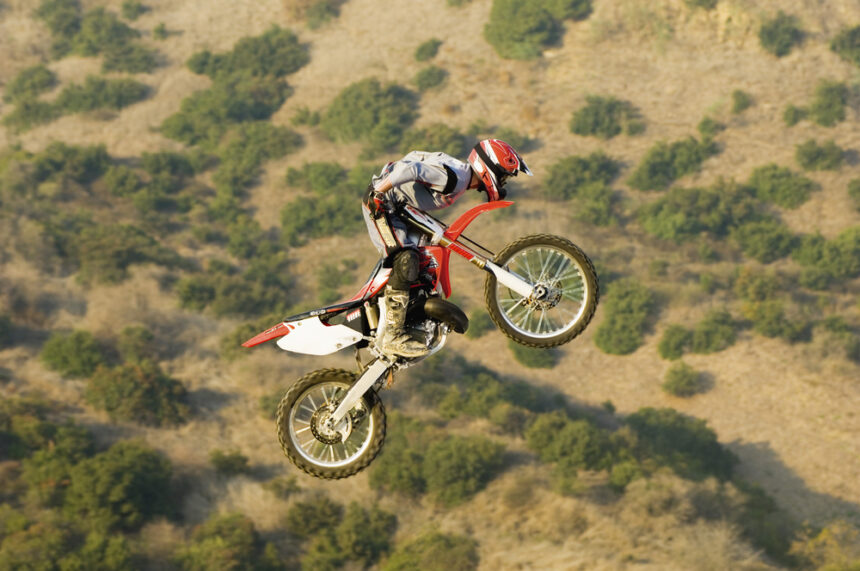
There is something undeniably magnetic about motocross. A rider launching off a dirt mound, fully airborne, bike humming beneath them — it looks wild, it looks dangerous, and honestly, it looks like the most fun a person can have on two wheels. But behind every clean jump and smooth landing is a foundation built long before anyone ever hit a track.
Getting into motocross the right way is not about killing the thrill — it is about making sure the thrill does not kill you first. Whether you are a teenager itching to ride or an adult finally ready to try something that actually gets the blood pumping, the path into motocross is more accessible than most people think. It just requires the right approach from day one.
Motocross Starts With the Right Gear
No conversation about motocross safety begins anywhere other than gear. Riding without proper protection is not brave — it is reckless. The sport demands full commitment to protective equipment before the engine even starts.
Here is the non-negotiable gear checklist for every new rider
- Helmet — full-face, DOT or ECE certified, fitted properly
- Goggles — impact-resistant and dust-sealed
- Motocross boots — ankle and shin protection built in
- Gloves — grip-enhancing with knuckle reinforcement
- Chest protector — shields ribs, spine, and collarbone
- Knee and elbow pads — absorbs impact on falls
- Riding jersey and pants — abrasion-resistant and ventilated
Gear is not optional. Even at low speeds on a beginner track, falls happen — and the right equipment is the single biggest difference between walking away and sitting in an emergency room.
Choosing the Right Motocross Bike
One of the most common mistakes new riders make is jumping on a bike that is too powerful too soon. Motocross bikes come in a wide range of engine sizes, and matching the right bike to the right rider matters enormously.
A general guide for beginners
- Kids (ages 4–6) — 50cc bikes with speed limiters
- Young beginners (ages 7–11) — 65cc to 85cc
- Teens and smaller adults — 125cc to 150cc
- Adult beginners — 250cc four-stroke (forgiving power delivery)
- Experienced adults stepping up — 450cc and above
Starting on a smaller, manageable bike builds confidence and technique without overwhelming the rider. Motocross skill is built in layers — power comes later, control comes first.
Learn Motocross the Structured Way
Self-teaching on a motocross bike is how injuries happen. Formal instruction — whether through a local riding school, a certified coach, or a structured beginner program — gives new riders the fundamentals that keep them safe and progressing faster.
Key skills every beginner should learn before hitting any real track
- Proper body positioning and weight distribution
- Throttle and brake control at low speeds
- How to fall correctly and minimize injury
- Basic track etiquette and flag signals
- Turning technique on loose dirt surfaces
Motocross has a strong community, and most seasoned riders are genuinely happy to mentor newcomers. Finding a local club or riding group is one of the smartest first moves any new rider can make.
Building Motocross Fitness Before You Ride
Motocross is physically brutal in the best way possible. Riders engage their core, arms, legs, and grip strength simultaneously — often for extended lap sessions on rough terrain. Going in physically unprepared leads to fatigue, and fatigue leads to mistakes.
Before hitting the track consistently, new riders benefit from
- Cardio training — cycling, running, or swimming builds endurance
- Core strengthening — planks, dead bugs, and rotational exercises
- Grip and forearm work — reduces arm pump on the handlebars
- Leg strength — squats and lunges improve bike control and stability
- Flexibility — yoga or stretching reduces injury risk from awkward falls
Motocross fitness is not about looking the part — it is about lasting longer on the track, recovering faster, and riding with more precision when it counts.
The Motocross Mindset Every Beginner Needs
The riders who thrive in motocross long-term are not necessarily the most fearless — they are the most disciplined. Respecting the learning curve, resisting the urge to progress too fast, and treating every session as a chance to improve rather than impress separates the riders who grow from the ones who quit after their first bad crash.
Motocross rewards patience. The dirt will humble you early and often. But every fall, every lap, and every hour of practice builds something that no shortcut can replicate — real skill, real confidence, and the kind of earned freedom that only comes when a rider and their bike finally move as one.
The track is waiting. Start smart.