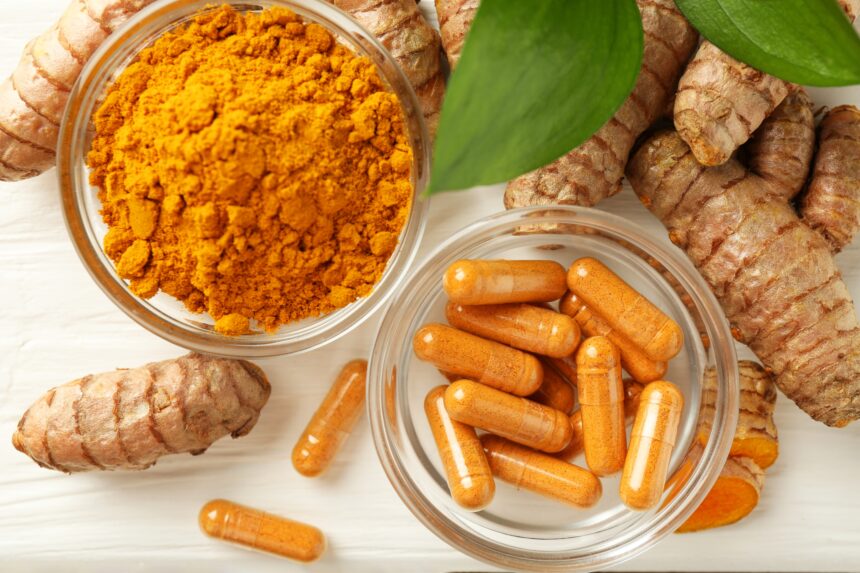
Timing, fat and a common kitchen spice are the three factors that determine how much you actually benefit from your daily turmeric dose.
Most people who take turmeric supplements toss one back whenever it is convenient, maybe with a morning glass of water or at the end of a long day. It feels like a responsible health habit, but without the right conditions, much of that supplement may pass through the body without delivering its full benefit. Unlike prescription medications, turmeric supplements come with no detailed instructions on timing, which leaves most people guessing.
The good news is that getting more out of turmeric does not require much effort. A few small adjustments to when and how you take it can make a significant difference.
Why turmeric needs fat to work
Turmeric’s primary active compound, curcumin, is fat-soluble, meaning it dissolves in fat rather than water. When taken on an empty stomach or without any dietary fat, the body struggles to absorb it efficiently. Taking turmeric shortly before, during or within about 15 minutes after a meal that contains fat gives curcumin the best chance of entering the bloodstream and doing its job.
The type of fat matters less than simply having some present. Fatty fish, avocado, olive oil, nuts, full-fat dairy and coconut oil all slow digestion in a way that improves turmeric’s bioavailability. A morning dose pairs well with avocado toast or eggs cooked in olive oil. An evening dose fits naturally alongside a salmon dinner or a salad dressed with olive oil.
For those who prefer not to take a supplement at all, turmeric can be worked directly into meals. Golden milk made with full-fat coconut milk is one of the most effective ways to consume turmeric with built-in fat. It also works well stirred into smoothies, blended into dips or added to a rice bowl. The concentration will be lower than a supplement, but absorption follows the same principles.
Add black pepper to the equation
Black pepper is one of the most well-documented absorption boosters for turmeric, and most kitchens already have it. The active compound in black pepper, piperine, has been shown to significantly enhance how much curcumin the body absorbs and how effectively it works. Research has found that combining turmeric with piperine produces stronger anti-inflammatory results than turmeric alone, and that the pairing at breakfast may help support healthy blood sugar levels and increase fullness after eating.
When shopping for a turmeric supplement, look for one that already includes piperine in the formulation. For those who prefer a food-based approach, adding a small amount of freshly ground black pepper to any meal taken alongside a turmeric supplement produces a meaningful boost without any extra steps.
One important note: people with liver conditions should speak with a doctor before combining turmeric and black pepper, as the interaction may affect liver function.
Quercetin as a bonus layer
Quercetin is a plant-based antioxidant found in everyday foods like apples, onions, kale, blueberries, spinach and cilantro. Early research suggests it may amplify turmeric’s anti-inflammatory properties and support faster recovery from illness. The evidence is still developing, but incorporating quercetin-rich foods into the same meal as a turmeric supplement is a low-effort way to potentially stack benefits. These foods are worth eating regardless, given their broader role in supporting a healthy diet.
Consistency matters more than perfection
The ideal time to take turmeric is the time that fits most naturally into a daily routine. If mornings are easier, take it with breakfast. If evenings work better, pair it with dinner. The priority is building a habit that sticks. Some people find turmeric irritates an empty stomach, in which case a full meal is especially important before dosing.
Turmeric offers genuine anti-inflammatory benefits, but it is not the right supplement for everyone. Anyone considering adding it to a regular routine should check with a healthcare provider first, particularly those on blood thinners or with existing health conditions.