From raw flour to kidney beans, these common kitchen staples carry hidden risks that proper cooking can prevent.
Everyone has been there. You are hungry, distracted and cutting corners feels harmless enough. Maybe you sneak a taste of brownie batter or pull a burger off the heat a little early. It seems innocent, but certain foods carry very real risks when they are not fully cooked, and some of the most dangerous ones are not the ones most people would guess.
Foodborne illness affects millions of people each year, and while undercooked chicken tends to get most of the attention, the list of risky raw foods stretches well beyond meat and poultry. Plant-based staples, pantry ingredients and even a glass of milk can become a serious health threat depending on how they are handled.
Here are seven foods that should always be fully cooked before eating.
1. Flour
Most people assume the danger in raw cookie dough comes from uncooked eggs, but flour is actually the bigger concern. Because grains are grown in outdoor environments and not heat-treated during milling, raw flour can carry E. coli and salmonella. Anyone who loves snacking on unbaked dough should heat-treat the flour first and use pasteurized eggs to keep things safe.
2. Ground beef
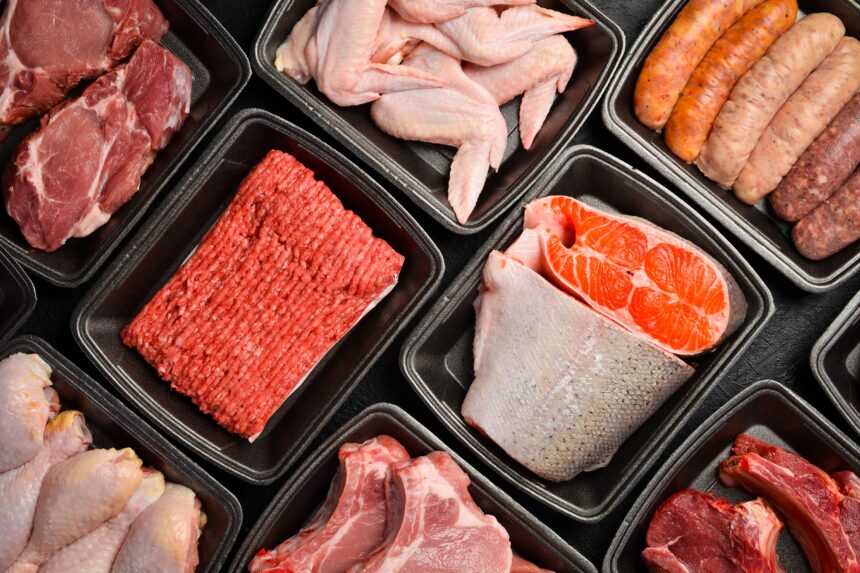
A whole steak can sometimes be served rare because its bacteria sit on the outer surface, which reaches high heat during cooking. Ground beef is different. When meat is ground, any bacteria present on the surface gets mixed throughout, which means the entire portion needs to reach an internal temperature of at least 160 degrees Fahrenheit to be considered safe. Dishes like steak tartare carry this risk directly.
3. Poultry
Chicken, turkey, duck and all other poultry must reach an internal temperature of 165 degrees Fahrenheit before serving. Raw poultry can harbor several strains of harmful bacteria including salmonella, and the consequences of consuming it undercooked range from a rough 24 hours to serious hospitalization. There is simply no safe shortcut here.
4. Kidney beans
This one surprises most people. Raw kidney beans contain high concentrations of a naturally occurring protein called phytohaemagglutinin, which can trigger severe food poisoning symptoms from just a small handful. The fix is straightforward but important. Dry kidney beans should be soaked for at least five hours and then boiled for a minimum of 10 minutes. Canned kidney beans skip this concern entirely since they are already fully cooked.
5. Raw milk
The debate around raw milk has grown louder in recent years, but the health risks remain consistent. Unpasteurized milk can carry E. coli, salmonella, listeria and campylobacter, all of which can lead to serious illness. Pasteurization was developed specifically to address how common these bacterial infections once were, and choosing pasteurized milk continues to be the safer option for most people.
6. Lima beans
Lima beans contain a naturally occurring compound called linamarin, which converts to cyanide once ingested. Even low levels of cyanide exposure can cause headaches, dizziness, shortness of breath and weakness. Fully cooking lima beans neutralizes this risk entirely. Boiling them in a large pot of water for at least 30 minutes is the recommended method for safe preparation, and once cooked, lima beans remain a strong source of protein, fiber and iron.
7. Cassava
Also known as yuca, cassava is a starchy root vegetable used widely in global cuisines and in its ground form as tapioca. Like lima beans, it naturally contains cyanide compounds, and the skin holds the highest concentration. Safe preparation requires peeling the skin completely, cutting the root into small pieces, soaking them in water and then boiling in a fresh pot until thoroughly cooked. Skipping any of these steps leaves a meaningful amount of risk on the plate.
The common thread across all seven of these foods is simple. Cooking is not just about texture or flavor. For many everyday ingredients, it is the step that makes eating them safe at all.