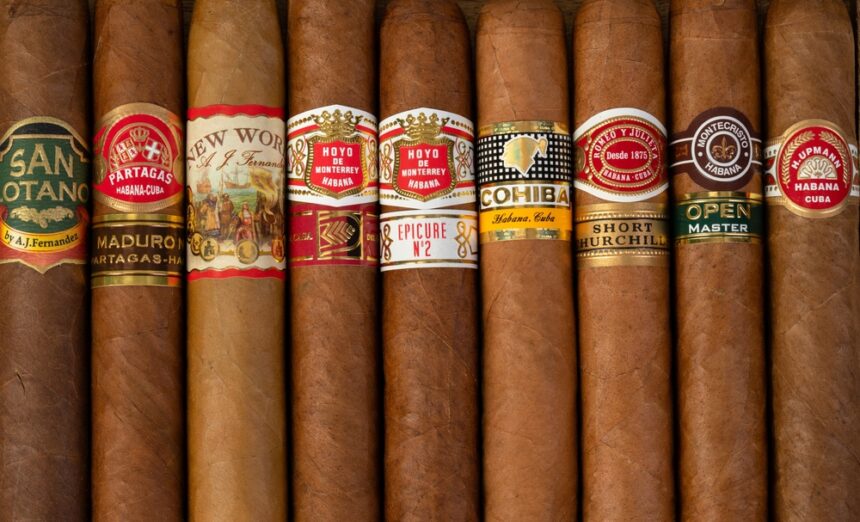
Not every premium smoke is created equal. Walk into any well-stocked humidor and the options are overwhelming — rows of meticulously labeled rolls from Cuba, Nicaragua, Honduras, and the Dominican Republic, each carrying its own story, its own blend, and its own character. But what actually separates a forgettable smoke from a cigar worth savoring? The answer is more nuanced than most first-time enthusiasts expect.
What a Premium Cigar Is Actually Made Of
A high-quality hand-rolled smoke is built from three distinct components, and the quality of each one determines everything about the experience.
- The wrapper — The outermost leaf is the most expensive and most scrutinized part of any cigar. It contributes anywhere from 30 to 60 percent of the overall flavor. A flawless wrapper is smooth, slightly oily to the touch, and free of visible veins or blemishes
- The binder — Sitting just beneath the wrapper, the binder holds the filler leaves together and influences combustion. A well-chosen binder ensures an even, consistent burn from the first light to the final third
- The filler — The blend of leaves packed at the core is where complexity lives. Master blenders spend years perfecting filler combinations to achieve specific flavor profiles — earthy, creamy, spicy, or sweet
The relationship between these three layers is what makes cigar blending both a science and an art form.
What the Best Tobacco Regions in the World Produce
Geography matters enormously in the premium tobacco world. Just as wine reflects its terroir, a cigar carries the character of the soil, climate, and tradition of where its leaves were grown.
- Cuba — Still regarded as the gold standard by many enthusiasts. Brands like Cohiba, Montecristo, and Romeo y Julieta represent centuries of tradition and remain among the most sought-after smokes globally
- Nicaragua — The most exciting tobacco-producing country of the modern era. Nicaraguan leaves are known for bold, complex, and often peppery profiles that have earned a fiercely loyal following
- Dominican Republic — Famous for producing some of the smoothest, most approachable smokes available, making it a favorite among newer enthusiasts building their palate
- Honduras — Delivers rich, full-bodied rolls with earthy depth, often blended with leaves from other regions for added complexity
How to Tell Quality Before You Even Light Up
Experienced smokers assess a cigar before the first draw ever happens. Here is what to look for:
- Construction — Gently squeeze from head to foot. It should feel firm and consistent throughout with no soft spots, air pockets, or hard lumps
- Wrapper appearance — Look for an even color with a slight sheen. Uneven patches or excessive veins often signal inconsistent aging or poor handling
- The cold draw — Before lighting, draw through the unlit smoke. Resistance should be slight — too tight means a plugged filler, too loose means poor construction
- Aroma — A quality cigar smells rich and inviting even before it is lit. Ammonia-like or overly sharp scents suggest improperly fermented tobacco
What Separates a Good Smoke From a Truly Great Cigar
Beyond construction and origin, the experience comes down to patience. A premium smoke is not meant to be rushed. The ideal pace allows roughly one draw per minute — fast enough to keep the coal burning cleanly, slow enough to let the flavors evolve through three distinct thirds, each revealing something new.
Temperature matters too. Smoking too fast — or re-lighting repeatedly — turns the draw harsh and bitter. The sweet spot is a cool, slow burn that rewards those willing to simply sit with it.
The world’s finest smokes, from a perfectly aged Cohiba to a boldly blended Nicaraguan puro, all share one quality above everything else. They demand your full attention. And for those willing to give it, the experience is genuinely unlike anything else.