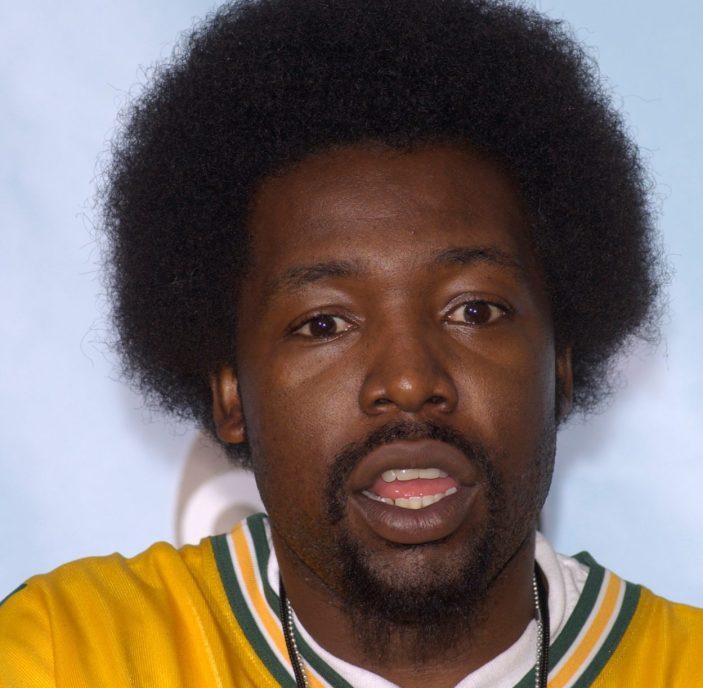
Grammy-nominated rapper Afroman walked out of an Ohio courthouse Wednesday evening with a full jury victory after seven Adams County sheriff’s deputies failed in their attempt to hold him legally accountable for turning their 2022 raid of his home into a series of viral music videos. The verdict was a clean sweep, with the jury finding in the rapper’s favor on every count.
The deputies had collectively sought nearly $4 million in damages, arguing that the videos subjected them to public ridicule and caused real harm to their reputations and personal lives. The jury disagreed entirely.
A raid, a camera and a string of diss tracks
The events that led to the courtroom began in 2022 when deputies executed a search warrant at the rapper’s home in Winchester, Ohio, roughly 50 miles outside of Cincinnati. The warrant cited a drug and kidnapping investigation. No charges were ever filed. Afroman, born Joseph Foreman, was not home at the time, but his wife was present and captured portions of the search on her phone.
The rapper then did what he does best. He turned the footage into music. Home security video showing armed deputies breaking through his front door, rifling through his clothing and pausing near a cake on the kitchen counter became the raw material for a collection of songs and videos that amassed more than three million views on YouTube. One track took its name directly from the footage, inspired by an officer’s apparent interest in the dessert sitting on his kitchen table.
Other videos went further, addressing the deputies more pointedly and raising questions about $400 that Afroman said went missing during the search. He described the missing money as theft and said the raid caused lasting harm to his family, including trauma to his two children who were 10 and 12 at the time.
First Amendment at the center of the defense
Afroman appeared in court wearing a red, white and blue suit and defended his work on First Amendment grounds throughout the trial. His legal team argued that artists engaged in social commentary have long used exaggeration and parody as creative tools, and that no reasonable person would expect a law enforcement officer to be immune from public criticism or satirical expression.
The defense leaned into the idea that the videos were a form of protected speech and that the raid itself, which produced no charges, gave the rapper every right to speak publicly about what had happened in his own home. He testified that he used the music to cover actual financial damages from the raid, including a broken gate and front door.
The deputies pushed back hard. Several testified about the personal toll the videos had taken on them. One deputy said the content questioned her gender and sexuality in ways she found deeply offensive. A sergeant described his child being hazed at school over the posts. Their attorney argued that creative license does not extend to deliberate falsehoods designed to damage specific individuals.
A verdict with implications beyond one rapper
Judge Jonathan Hein announced that the jury had found in favor of the defendant on every claim, with no plaintiff verdict prevailing on any count. Afroman was visibly emotional when the decision was read.
The case drew national attention not only because of its colorful facts but because of what it asked the legal system to decide. Where does parody end and defamation begin? Can public officials, including law enforcement, use civil courts to limit artistic criticism of their conduct? Wednesday’s verdict offered a clear answer, at least in this instance.
For Afroman, the win was personal and professional. He had been vocal throughout the trial about his belief that the raid was unjustified and that he had every right to tell his story. The jury, it turned out, agreed.