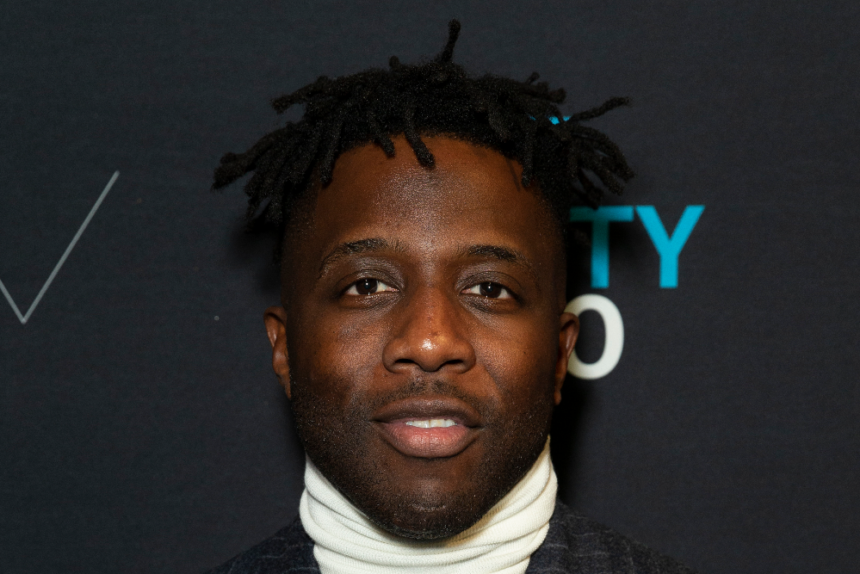
Nigel Sylvester did not just design a sneaker. He told a story — and the sneaker community crowned it the best of the year. The BMX legend’s Brick After Brick Air Jordan 4 claimed Sneaker of the Year honors, a milestone that speaks volumes about how far authentic Black creative vision has come in an industry that has not always made room for it. The win is significant. So is the conversation it started.
OFFICIAL: Nigel Sylvester x Air Jordan 4 “Brick After Brick” drops in May 😳🧱 pic.twitter.com/mm59pbq1pn
— INSANE SNEAKER™ (@insanesneaker) March 3, 2026
The Shoe That Started It All
The Brick After Brick Air Jordan 4 was not built in a boardroom. It was built from lived experience. Sylvester, one of the most respected figures in BMX culture, channeled his personal journey and the resilience of his community into every design detail. The result was a collaboration that resonated far beyond sneaker circles, drawing praise from longtime sneakerheads and BMX riders alike. High demand followed immediately upon release, cementing the shoe’s status as one of the most culturally loaded drops of the year.
Sylvester’s Place in Sneaker Culture
Sylvester has long been a bridge between action sports and streetwear culture — two worlds that share DNA but have not always been formally recognized as connected. His Jordan Brand relationship elevated that bridge into something tangible and wearable. The Brick After Brick colorway was deliberate, personal, and layered with meaning that went well beyond aesthetics. That is precisely what made the Sneaker of the Year recognition feel earned rather than handed.
For Black creatives working in sneaker collaborations, Sylvester’s win carries weight. It signals that authentic storytelling — rooted in real culture and real experience — can and should be recognized at the highest level. The award is not just a trophy. It is a data point in a longer conversation about whose creativity gets celebrated in this industry.
The Debate Behind the Trophy
Not everyone agreed with the selection. Prominent sneaker designer Jeff Staple publicly questioned the decision, arguing that a colorway variation of a classic silhouette should not qualify as the year’s most innovative sneaker. His critique drew comparisons to handing out automotive awards for a repainted vintage car — pointed, provocative, and deliberately designed to spark a larger conversation about what innovation actually means.
The pushback is worth taking seriously — not as an attack on Sylvester, but as a challenge to the institutions behind these awards to define their criteria clearly and consistently. What should Sneaker of the Year recognize? Consider
- Originality in design or construction
- Cultural storytelling beyond the brand name
- Creative vision that is distinctly the collaborator’s own
- Lasting impact on sneaker culture beyond the initial release
- Resonance across communities, not just core sneakerheads
Sylvester’s Brick After Brick holds up well against every one of those measures. The debate does not diminish the win. It amplifies it.
What This Moment Means Going Forward
Sylvester’s Sneaker of the Year recognition arrives at a moment when the sneaker industry is being pushed to reflect more honestly on who it celebrates and why. Collaborations are everywhere, often chasing hype rather than substance. Truly meaningful ones — those that carry a genuine cultural heartbeat and resonate deeply with the community — are far rarer. Sylvester built one of those, and the community recognized it immediately, celebrating both the craftsmanship and the story behind the design.
The conversation Staple started is a healthy one. But the conclusion it keeps circling back to is hard to ignore — when the story is real, when the creative vision is genuinely original, authentic, and thoughtfully executed, and when the culture responds the way it responded to Brick After Brick, the hardware tends to follow faithfully. Sylvester earned his recognition fully and deservedly.