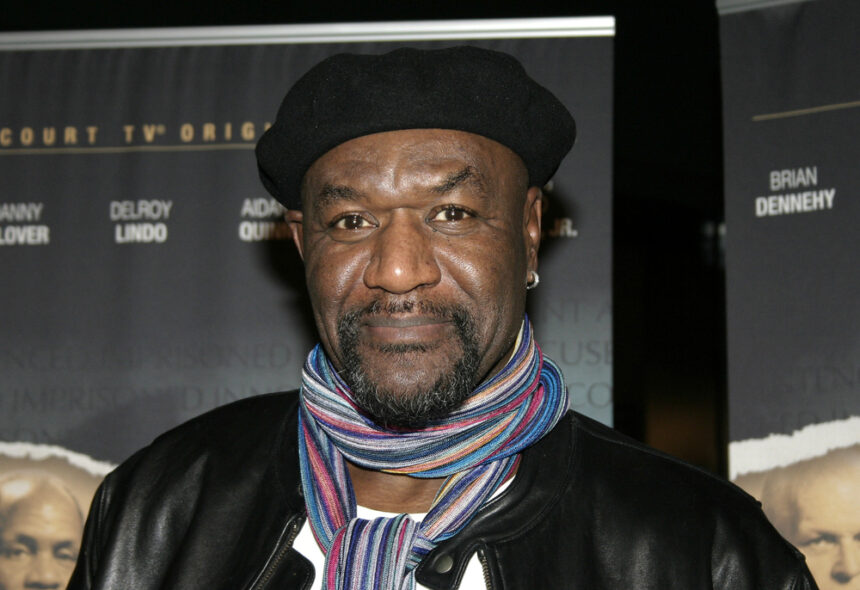
Delroy Lindo is finally talking. The acclaimed actor, 73, has addressed the uncomfortable moment that stopped the 2026 BAFTA Film Awards in its tracks — a racial slur shouted from the audience while Lindo and Michael B. Jordan were mid-presentation on one of the biggest stages in global cinema. His response was measured, composed, and telling. Lindo and his co-presenter did what they had to do — and left it at that.
The incident unfolded during the presentation of the best visual effects award for Avatar— Fire and Ash. The slur was audible enough to be captured on the BBC’s live broadcast, sending shockwaves through the entertainment world and igniting a broader conversation about how major live events handle the deeply complex intersection of medical conditions and public decorum.
Who Is John Davidson and Why It Matters
At the center of the controversy is John Davidson, 54, who attended the BAFTAs as the real-life subject of the biopic I Swear — a film that chronicles his life living with Tourette’s syndrome. The neurological condition can cause involuntary vocal tics, including the utterance of offensive or socially unacceptable language, a symptom known as coprolalia.
Davidson‘s presence at the ceremony was meant to be a celebration. Instead, his involuntary outbursts — which occurred multiple times throughout the night — created a series of tense moments that neither the organizers nor the audience were fully prepared to navigate. Floor managers had reportedly briefed nearby guests about Davidson’s condition beforehand, but most nominees and attendees were kept in the dark.
Robert Aramayo, 33, who portrayed Davidson in I Swear, won the BAFTA for best actor that evening — a triumphant moment that was unfortunately overshadowed by the chaos surrounding it.
How Lindo Handled the Moment
For Lindo, the night was a test of professionalism under pressure. Speaking to Vanity Fair at an official BAFTA after-party, Lindo made clear that he wished the organization had reached out to him and Jordan following the ceremony. The silence from BAFTA was its own statement — and not a flattering one.
Lindo’s composure on stage spoke volumes. But his comments afterward revealed a deeper frustration — not with Davidson, whose condition is involuntary and well-documented, but with the systems and institutions that failed to communicate clearly with the very people standing at the podium when it happened. For a company and community that champions Black voices, Lindo‘s quiet dignity in that moment deserves recognition.
The BBC Broadcast Fallout
The BBC found itself in the middle of the storm when its tape-delayed broadcast aired with the racial slur still clearly audible. The network pulled the ceremony from its iPlayer platform shortly after and issued a public apology to viewers, clarifying that the language heard was the result of involuntary tics and carried no intentional malice.
The decision to air the moment without editing it out raised serious questions about the BBC’s internal review process and its responsibility to Black viewers and communities who were directly affected by hearing that language on a mainstream broadcast.
A Bigger Conversation About Inclusion
The 2026 BAFTA incident has cracked open a necessary and overdue conversation. How do live events accommodate individuals with conditions like Tourette’s syndrome without compromising the safety and dignity of others in the room — particularly those from marginalized communities? The answer, as this moment proved, is not yet clear.
What is clear is that Lindo handled an impossible situation with the kind of grace that only comes from experience and character. The industry owes him — and Jordan — a far more direct acknowledgment than they received. Moving forward, awards shows must do better. Better communication, better preparation, and a deeper commitment to protecting everyone in the room — on stage and off.