Mustafa Fteja admitted to attempting to corrupt a jury through multiple meetings and cash offers in one of the most brazen trial interference schemes prosecutors have seen
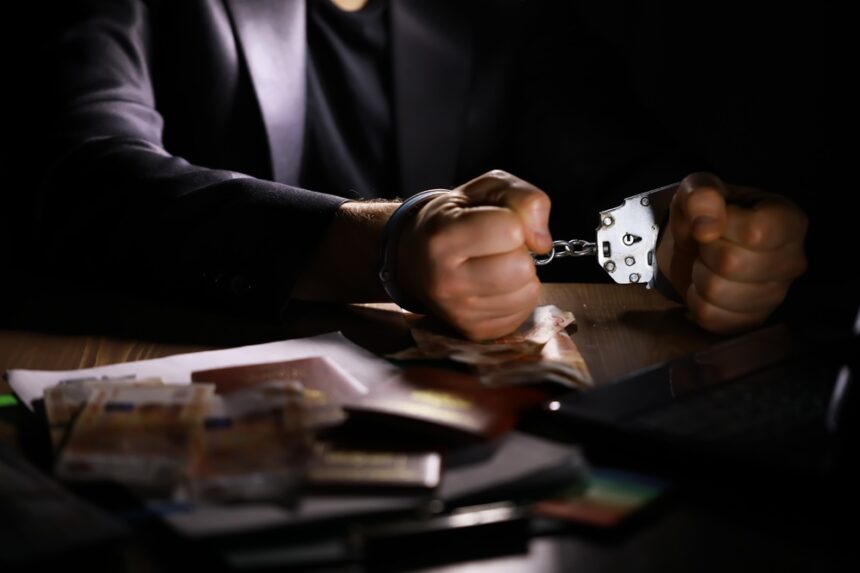
Mustafa Fteja pleaded guilty Thursday in Brooklyn federal court to attempting to obstruct justice by bribing a juror with $50,000 to $100,000 at boxer Goran Gogic’s drug trafficking trial. The plea agreement calls for him to serve roughly five to six years in prison when he’s sentenced June 23. Fteja has remained free on $150,000 bail since his arrest in November as part of a three-man conspiracy to corrupt the trial. What’s genuinely striking about this case is the brazenness of the bribery attempt: Fteja knew a juror, called him multiple times on his cellphone, set up meetings on Staten Island over three days, and directly offered him between $50,000 and $100,000 to return a not guilty verdict. This isn’t subtle jury tampering. This is an explicit cash-for-verdict proposal.
- Mustafa Fteja admitted to attempting to corrupt a jury through multiple meetings and cash offers in one of the most brazen trial interference schemes prosecutors have seen
- What makes this case particularly damning is the evidence trail prosecutors assembled
- The mechanics of the bribery attempt were remarkably direct
- What’s genuinely concerning about this case is how close it came to potentially working
- The three-man conspiracy also included other defendants charged in November
The boxer at the center of this chaos is Goran Gogic, who remains charged with violating the Maritime Drug Law Enforcement Act. His trial, originally scheduled to begin in November, hasn’t actually started yet. That’s partially because of this bribery conspiracy. Gogic has pleaded not guilty and faces 10 years to life in prison if convicted. So the stakes for him personally are existential a decade-plus of his life or freedom. That’s apparently high enough that associates in the Bronx decided bribing a juror was worth attempting.
What makes this case particularly damning is the evidence trail prosecutors assembled
Investigators recorded multiple conversations of the defendants planning the bribery plot while speaking in both Albanian and English. That’s not circumstantial. That’s explicit documentation of the conspiracy to corrupt the trial. When you have defendants on tape discussing how much money to offer jurors and how to approach them, there’s basically no defense. The conversation evidence is why Fteja pleaded guilty fighting the government when they have you on tape discussing bribery amounts is futile.
The mechanics of the bribery attempt were remarkably direct
Fteja already knew the juror (identified in court papers as “John Doe #1”), which gave him initial access. He called the juror multiple times on his cellphone to arrange meetings. Over three separate meetings spanning three days, Fteja repeatedly returned to the same pitch: associates in the Bronx would pay the juror $50,000 to $100,000 if he voted not guilty. That’s not vague. That’s not coded language. That’s a specific offer of specific amounts for a specific verdict.
What’s genuinely concerning about this case is how close it came to potentially working
If the juror hadn’t reported the bribery attempt to authorities, if prosecutors hadn’t discovered the conspiracy, if the defendants had been more cautious any of those variables could have changed the outcome of Gogic’s trial. That’s why jury tampering and bribery carry such severe sentences. The integrity of the entire trial system depends on jurors actually being independent rather than purchased.
The three-man conspiracy also included other defendants charged in November
but Fteja’s guilty plea represents the first resolution. That suggests the government has solid cases against the other co-conspirators as well. Prosecutors clearly documented who said what when, what amounts were offered, and how the conspiracy was coordinated. That’s thorough investigative work.
For Gogic, the bribery conspiracy actually extends his trial timeline while creating additional complications. His actual trial hasn’t started yet. Now there’s a whole obstruction of justice case running parallel. By the time his trial actually begins, the jury bribery story will be public knowledge, potentially affecting jury selection and trial dynamics.
Fteja’s guilty plea and five-to-six-year sentence represents exactly what prosecutors want: clear consequences for attempting to corrupt the judicial system. Sometimes justice is straightforward.