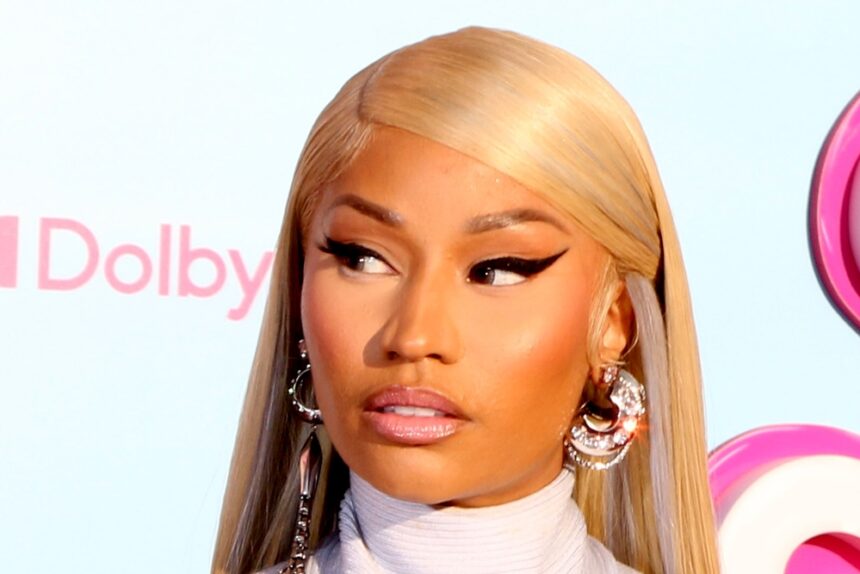
Hip-hop rivals showcase contrasting views on immigration and voting rights
The longstanding rivalry between Cardi B and Nicki Minaj has evolved into a public clash over fundamental political issues. Recent statements from both artists reveal sharply contrasting approaches to immigration enforcement and voting access, highlighting ideological divisions that extend beyond personal animosity into broader policy disagreements affecting marginalized communities.
- Hip-hop rivals showcase contrasting views on immigration and voting rights
- Government responses to artist activism
- Voter access debates intensify
- Ideological divisions within hip-hop
- Immigration enforcement tensions and community response
- Tour activism and community impact
- Political discourse through celebrity platforms
- The broader hip-hop landscape
- Looking forward
Cardi B’s immigration activism reached new intensity during her recent concert performance in Palm Desert, California. The artist made direct statements about immigration enforcement operations, referencing the presence of Latin American audience members and expressing her stance against federal immigration interventions at her venues. Her public positioning on immigration enforcement has drawn significant government response and attention.
Government responses to artist activism
The Department of Homeland Security issued a public response to Cardi B’s immigration-focused statements, referencing her previously documented personal history. The exchange highlighted tensions between celebrity activism and government authority, demonstrating how political discourse increasingly occurs between public figures and federal agencies through social media and public channels rather than traditional legislative processes.
Voter access debates intensify
Discussions surrounding voting access and identification requirements have become increasingly contentious within political circles. Proposed legislation regarding voter identification and citizenship requirements has generated intense debate, with supporters viewing such measures as necessary security protocols and critics characterizing them as barriers to voting access for vulnerable populations.
These voting reform proposals reflect broader ideological divisions regarding voting rights expansion versus voting security measures. The debate encompasses questions about which communities face voting barriers, how identification requirements affect participation, and what constitutes appropriate electoral security.
Ideological divisions within hip-hop
The contrasting political positions expressed by prominent hip-hop artists illustrate deeper divisions within the African American community and entertainment industry regarding appropriate policy responses to immigration, voting, and law enforcement issues. These divisions transcend personal rivalries to encompass fundamental questions about government authority and constitutional rights.
Hip-hop has historically functioned as a platform for political expression and social commentary. Contemporary artists continue this tradition by engaging with current policy debates, though their positions often diverge significantly, reflecting ideological diversity within hip-hop communities.
Immigration enforcement tensions and community response
Immigration enforcement remains a volatile policy area generating intense activism and public response. Recent federal operations have sparked community organizing, legal challenges, and cultural responses through entertainment media. Artists who engage with immigration issues occupy visible platforms influencing public discourse surrounding these policies.
Cardi B’s concert activism demonstrates how entertainment venues function as spaces where political statements reach broad audiences. Her positioning resonates with audiences concerned about immigration enforcement practices and federal agency authority within immigrant communities.
Tour activism and community impact
As Cardi B continues her tour schedule, her political activism continues generating discussion about artist responsibility and political engagement. The tour provides platforms for ongoing conversations regarding immigration policy, federal enforcement operations, and community responses to government authority.
Minneapolis represents a particularly significant tour location given the city’s history of immigration enforcement protests. The city has experienced notable immigration enforcement controversies that generated substantial public response and political attention.
Political discourse through celebrity platforms
The involvement of prominent entertainers in policy debates reflects changing communication patterns regarding political issues. Rather than policy discussions occurring primarily through traditional legislative processes or news media, political discourse increasingly flows through celebrity social media accounts and entertainment industry platforms.
This shift creates new dynamics for how political messages reach audiences and how public figures exercise political influence. Artists with massive followings can mobilize constituencies around policy issues, while government agencies increasingly respond publicly to celebrity statements.
The broader hip-hop landscape
Hip-hop has maintained its historical role as a medium for social commentary. Contemporary artists navigate complex terrain where artistic expression, political engagement, and personal brand considerations intersect. The decisions artists make regarding political involvement carry implications extending beyond their personal positions into broader cultural and political conversations.
Cardi B and Nicki Minaj represent different approaches to political engagement and public activism. Their contrasting positions illustrate how prominent cultural figures navigate contemporary political divisions while maintaining visibility and influence within their respective audiences.
Looking forward
As immigration policy, voting access debates, and law enforcement practices remain prominent political issues, celebrity engagement with these topics will likely continue. Artists will continue using entertainment platforms to advance political positions, while government figures respond to celebrity statements.
The intersection of hip-hop and political activism creates ongoing opportunities for cultural discourse around policy issues. How artists choose to engage with politics will continue influencing broader public conversations regarding governance and individual rights.