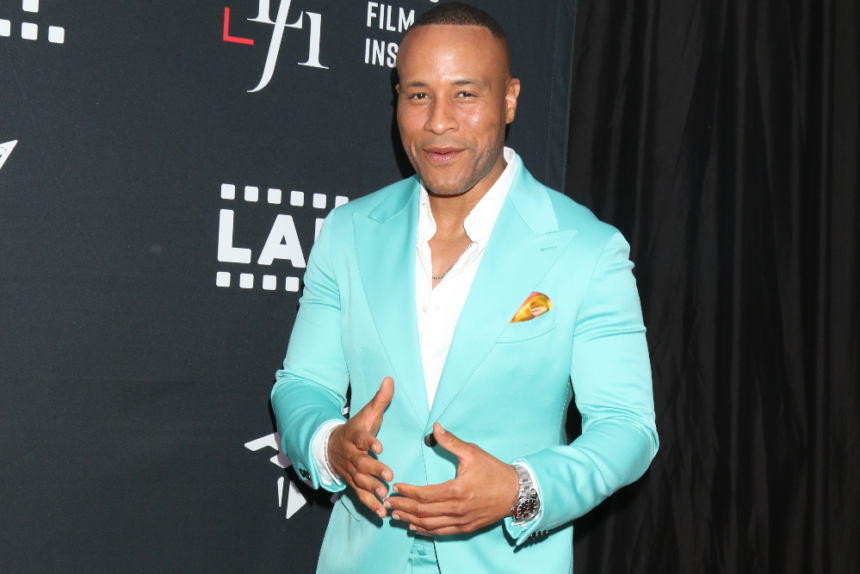
Preacher and author Devon Franklin has become the center of a social media firestorm, though not for his spiritual guidance. His recent revelations about dating app struggles and lingering thoughts on his marriage to actress Meagan Good have triggered widespread criticism and sparked debate about relationship expectations.
The Unraveling and a Costa Rica Confession
Franklin and Good ended their marriage in 2022, with Franklin making the decision to file for divorce. Both have since remarried—Good to actor Jonathan Majors and Franklin to fitness coach Maria Castillo—yet the shadow of their past union continues to loom large in public consciousness.
While promoting his one-man stage play Be True, Franklin opened up about the emotional turmoil preceding his divorce. He described a transformative trip to Costa Rica where he grappled with an agonizing decision. Franklin shared that he confronted what he called the D word—divorce—acknowledging the internal battle that led to the dissolution of his marriage. The vulnerability in his admission has resonated with some while raising eyebrows among others who question the timing and necessity of such public reflections.
The Thirst Trap Controversy That Ignited Outrage
Franklin ventured into even more contentious territory when discussing his post-divorce dating experiences. He characterized the dating app landscape as distressing, sharing an anecdote about confronting a woman he dated over her social media presence. Franklin took issue with what he labeled thirst traps—provocative photos posted online—suggesting they conflicted with his values and faith.
This commentary ignited immediate backlash. Women across social media platforms challenged his perspective, questioning why he pursued someone whose behavior he ultimately wanted to change. The critique centered on what many saw as hypocrisy, being attracted to someone for specific qualities and then demanding they abandon those very traits.
Social Media Erupts and the Double Standard Debate
The response on platforms like X (formerly Twitter) was swift and unforgiving. Users pointed out what they saw as a contradiction in religious men pursuing attractive women only to later impose restrictive expectations. One viral comment summed up the sentiment, arguing that men who claim moral superiority should not engage with content they find objectionable in the first place.
Critics also highlighted Franklin’s continued references to Good despite both parties having moved forward. Many found it peculiar that he remains vocal about his previous relationship while building a new life with Castillo. This pattern has raised questions about emotional closure and whether Franklin has truly processed the end of his first marriage.
Franklin’s situation has become a lightning rod for broader discussions about gender dynamics and relationship standards, especially across social media. Women have expressed frustration with what they see as a common pattern, men being drawn to confident, independent women and then trying to reshape them into more traditional partners. The conversation has expanded beyond Franklin himself to examine societal expectations placed on women to conform to male preferences while sacrificing their authentic selves.
Moving Forward or Looking Back
The ongoing public interest in Franklin’s personal life reflects a cultural fascination with celebrity relationships and their aftermath. His willingness to share intimate details while promoting his theatrical work has blurred the lines between personal testimony and public spectacle. Whether this transparency serves a greater purpose or simply prolongs unnecessary drama remains a matter of perspective.
The Broader Cultural Mirror
Franklin’s narrative touches on universal themes of love, faith, compatibility, and growth, shaped in part by the aftermath of his highly publicized divorce. His experiences highlight the challenges of reconciling personal values with romantic attraction, as well as the difficulty of letting go of the past while trying to embrace the future. These struggles are not unique to Franklin and resonate with anyone who has navigated the complexities of modern relationships.
The discourse surrounding his comments serves as a cultural mirror, reflecting evolving attitudes about authenticity, accountability, and the expectations people place on their partners after heartbreak or separation. As conversations continue across digital platforms, they reveal deeper questions about compromise, acceptance, and the sometimes contradictory nature of desire and devotion.
Franklin’s story is also a reminder that public figures grapple with the same emotional terrain as everyone else, only under far greater scrutiny. Whether his reflections offer meaningful lessons or simply extend the controversy may depend largely on personal perspective, especially for those who have experienced divorce or similarly difficult relationship transitions.