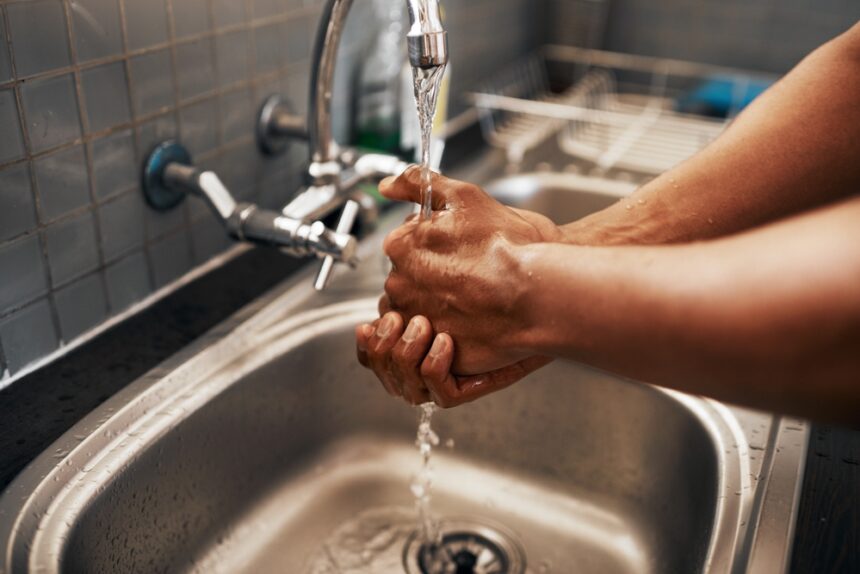
Washing your hands is one of the simplest and most consistently effective things a person can do for their health. Research supports the use of soap and water or an alcohol-based hand sanitizer as equally reliable methods of reducing the transfer of bacteria, viruses and other germs. The goal is not to achieve perfectly sterile hands at all times, which is neither realistic nor necessary, but to reduce exposure after contact with the surfaces that tend to carry the highest microbial loads.
Some of those surfaces are obvious. Many are not. The ten items below are among the germiest things most people touch regularly, and all of them are strong arguments for making hand washing a reflex rather than an afterthought.
The 10 things that call for immediate hand washing
1. Cash and coins Paper currency changes hands constantly and carries an impressive range of microbial life as a result. Research on dollar bills has found hundreds of distinct microorganisms including bacteria associated with the mouth and other areas of the body, as well as pathogens like E. coli and salmonella on some denominations. A $100 bill can remain in circulation for up to 15 years, which gives it a great deal of time to accumulate contamination.
2. Handrails, door handles and poles Shared surfaces on public transportation are among the most reliably bacteria-covered objects in daily life. Subway poles, escalator handrails and bathroom door handles all see continuous contact from different people, making them efficient vectors for whatever those people were carrying.
3. Restaurant menus University of Arizona research found as many as 185,000 bacterial organisms on a single restaurant menu, which is not surprising given how many hands touch them throughout the day. Most restaurants do not sanitize menus between every use.
4. Everything in a doctor’s office The sign-in pen at a medical practice has been found to carry roughly 46,000 more germs than an average toilet seat. Waiting room armrests and door handles are similarly compromised. The environment is designed to treat sick people, which means the surfaces reflect that traffic.
5. Animals and pets Animals can carry a range of bacteria and pathogens that transfer easily through contact. Because pets are considered family, the instinct to wash hands after touching them is often skipped, but it should not be.
6. Touchscreens in public spaces Airport kiosks, self-checkout machines and any shared screen accumulate germs rapidly. Personal phones are also worth noting here, particularly when shared with others. Soap and water remain effective at removing the pathogens these surfaces collect.
7. Cutting boards and kitchen sponges Used kitchen sponges have been found to harbor as many as 326 different species of bacteria. Cutting boards used for raw meat carry their own risks. Hand washing before and after food preparation is one of the most important food safety habits available.
8. Borrowed pens Office pens carry roughly ten times the bacteria of the average office toilet seat, at around 200 bacteria per square inch. The habit of chewing on pen caps makes this worse. Borrowing a pen is fine. Forgetting to wash your hands afterward is not.
9. Soap dispenser pumps Refillable soap dispensers, particularly the kind found in public restrooms, can transfer more bacteria onto hands than they remove. Research from the University of Arizona found that pressing the pump transfers whatever is living on the dispenser directly to skin before washing even begins.
10. Airport surfaces With millions of passengers moving through airports daily, the germ load on shared surfaces is significant. Security screening trays are among the worst offenders, as shoes, bags and personal items deposit bacteria and viruses onto them continuously throughout the day. Research published in BMC Infectious Diseases flagged these trays specifically as a meaningful contamination point.
The simple habit that makes a real difference
None of this requires anxiety about touching the world. It requires a reasonable and consistent habit of washing hands at the right moments. The surfaces above are not avoidable, but the germs they carry largely are, and soap and water are all it takes.