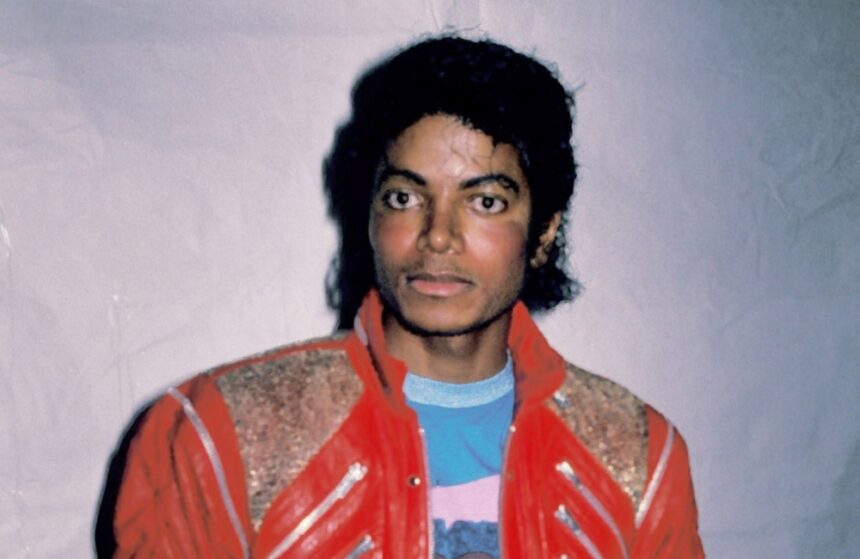
Sixteen years after his death, Michael Jackson is still one of the most financially powerful names in entertainment. The release of Michael, a new feature-length biopic from Lionsgate premiering in Berlin, is the latest chapter in a commercial story that has only expanded since the King of Pop passed away in 2009. The studio is projecting global box office receipts of around $700 million, a figure that would place it among the highest-grossing music biopics ever made, trailing only Bohemian Rhapsody, the Freddie Mercury film that earned $910 million worldwide.
The biopic arrives alongside an already thriving portfolio of Jackson-branded productions. MJ: The Musical opened on Broadway in 2022 and has since traveled to stages in multiple countries. The Cirque du Soleil production Michael Jackson ONE has been running continuously in Las Vegas since 2013. Last year, for the thirteenth time since his death, Jackson topped the Forbes list of highest-earning deceased celebrities. On Spotify, his monthly listener count surpasses that of Beyoncé, Post Malone, and Olivia Dean, an extraordinary metric for an artist who has not released new music in well over a decade.
Michael Jackson and the question that will not go away
The strength of the Jackson franchise exists alongside a set of serious and unresolved allegations that have followed his name for decades. Jackson was acquitted in a criminal trial for child molestation in 2005, but allegations from other accusers have continued in civil courts, with several proceedings still ongoing. He was never convicted in either a criminal or civil proceeding.
The 2019 documentary Leaving Neverland brought renewed international attention to those claims, generating a wave of debate about how to engage with an artist whose personal conduct has been so deeply contested. Critics and cultural observers have noted that the new biopic, produced under the supervision of the Jackson family, does not appear to address those allegations directly, a creative choice that has itself become part of the conversation surrounding the film’s release.
Some media analysts have pointed to a broader pattern in how Jackson’s image has fared compared to other figures facing similar scrutiny. His death in 2009 came before the cultural reckoning that the MeToo movement brought to figures like R. Kelly, whose conviction on federal sex trafficking charges effectively ended his commercial presence. Jackson’s estate, by contrast, has operated largely without that kind of sustained institutional pressure.
Michael Jackson’s complicated post-life reputation
During his lifetime, Jackson’s public image was a constant negotiation between extraordinary talent and recurring controversy. A 2002 incident in Berlin, where he briefly held his infant son over a hotel balcony while greeting fans below, drew widespread condemnation. A 2003 documentary captured him discussing his practice of sharing his bed with children at a time when he was already facing allegations of abuse. Despite moments of genuine cultural triumph, those episodes created ongoing friction that made business partnerships complicated and public trust fragile.
What has shifted since his death is the absence of new incidents and the passage of time, two factors that tend to soften public memory. Cultural scholars have noted that Hollywood has generally not rushed to complicate the legacies of major celebrities in biographical films, and Michael appears to follow that pattern.
Whether the biopic reignites debate or simply adds another chapter to an already sprawling commercial legacy, one thing remains clear. The Michael Jackson franchise is not slowing down, and the world has not yet agreed on what to make of that.